In short
Eleven Tokyo neighbourhoods on the same four measures: whether it is on the Yamanote line, who it suits, mid-range nightly rate and the real drawback. Shinjuku ¥18,000–28,000 (overwhelming, the station is a maze); Shibuya ¥20,000–35,000 (hilly, permanent construction); Ginza/Yurakucho ¥22,000–42,000 (calm and expensive, dead after 21:00). Being on the Yamanote matters more than the postcode.
Rates and connections checked August 2026.
Tokyo is thirteen cities pretending to be one, and the neighbourhood you pick decides what kind of trip you have. Choose badly and you’ll spend ninety minutes a day on trains and never see the city you booked the flight for.
This guide gives you the honest version of each area — including the things hotel listings never mention, like the fact that a “double” room in a Tokyo business hotel is 11 square metres, roughly a third the size of a US mid-market room.
What is in this guide
- The two-sentence answer
- Quick comparison
- First, three things that decide everything
- When to book, and what it costs
- 1. Shinjuku
- 2. Shibuya
- 3. Ginza / Yurakucho
- 4. Tokyo Station / Marunouchi / Nihonbashi
- 5. Asakusa / Ueno
- 6. Roppongi / Azabudai
- 7. Ikebukuro — the best value in Tokyo
- 8. Shinagawa — for Shinkansen and Haneda
- 9. Akihabara / Kanda
- 10. Ebisu / Nakameguro / Daikanyama
- 11. Koenji / Shimokitazawa
- Business hotels, capsules and ryokan
- Airbnb in Tokyo — read this before you book
- Frequently asked questions
- Where this fits in your planning
- Kansai: Kyoto and Osaka
- Before you book
Rates and details verified August 2026. All conversions at ¥159.21 = US$1 (Federal Reserve, 14 August 2026). Rates are double room, per night, shoulder season, before tax.
Editor’s note
Tokyo is one of the few cities where the station matters more than the neighbourhood. A dull area on the Yamanote Line beats a charming one twenty minutes off it, every single time. Pick the line first and the district second.
The two-sentence answer
First visit, 5–7 nights: Shinjuku west side or Shinjuku-sanchome. Every line goes there, every day trip starts there, and you can walk home from dinner.
Second visit, or you want value: Ikebukuro. Same Yamanote loop, ¥2,000–4,000 a night cheaper, five minutes from Shinjuku by train.
Quick comparison
| Area | On the Yamanote? | Best for | Mid-range/night | Main drawback |
|---|---|---|---|---|
| Shinjuku | ✅ | First-timers, nightlife, day trips | ¥18,000–28,000 | Overwhelming; station is a maze |
| Shibuya | ✅ | Younger travellers, shopping | ¥20,000–35,000 | Hilly, permanent construction |
| Ginza / Yurakucho | Yurakucho only | Luxury, calm, older visitors | ¥22,000–42,000 | Dead after 21:00; expensive |
| Tokyo Stn / Marunouchi | ✅ | Shinkansen day trips, certainty | ¥25,000–42,000 | Office district; empty at weekends |
| Asakusa / Ueno | Ueno only | Budget, tradition, Narita arrivals | ¥15,000–26,000 | Asakusa shuts by 21:00 |
| Roppongi / Azabudai | ❌ | Nightlife, art, luxury | ¥18,000–34,000 | Worst tout scene in Tokyo |
| Ikebukuro | ✅ | Value with a Yamanote address | ¥14,000–26,000 | Least attractive major hub |
| Shinagawa | ✅ | Shinkansen + Haneda | ¥14,000–28,000 | No neighbourhood character |
| Akihabara / Kanda | ✅ | Otaku culture, central value | ¥15,000–26,000 | Visually and acoustically loud |
| Ebisu / Nakameguro | Ebisu only | Repeat visitors, food, calm | ¥14,000–38,000 | Hilly; few hotels |
| Koenji / Shimokitazawa | ❌ | Third-plus visits | ¥12,000–22,000 | Almost no hotel inventory |
First, three things that decide everything
1. The Yamanote loop is worth paying for
The JR Yamanote Line is a 30-station circle around central Tokyo with trains every two to four minutes, carrying roughly five million passengers a day. It touches Shinjuku, Shibuya, Harajuku, Ebisu, Shinagawa, Tokyo Station, Akihabara, Ueno and Ikebukuro — almost every area in this guide.
Being within eight minutes’ walk of a Yamanote station is worth roughly ¥2,000–4,000 a night ($13–25) over an equivalent room twenty minutes out. Over seven nights that’s ¥14,000–28,000, and for a first visit it is almost always worth it.
Why: Tokyo’s difficulty is not distance, it’s interchange. Shinjuku Station alone has around 200 exits. A hotel on the loop means most days are one train and no changes. Trains every two minutes means you never check a timetable. And if you hold a Japan Rail Pass, Yamanote travel is free at point of use — subway is not.
The honest counter-argument: the loop runs at about 97% capacity between 07:40 and 08:40 — do not board it with luggage in rush hour. And it’s a circle, so it’s convenient rather than fast: Shinjuku to Tokyo Station is about 30 minutes on the Yamanote versus 13 minutes on the Chuo Rapid.
Lines that matter almost as much:
| Line | Why |
|---|---|
| Tokyo Metro Ginza | Shibuya–Ginza–Asakusa. The single most useful subway for tourists |
| Tokyo Metro Hibiya | Roppongi, Ginza, Akihabara, Ueno, Ebisu, Nakameguro. Rescues the non-Yamanote areas |
| JR Chuo Rapid | The fast east–west chord across the loop’s interior |
| Keisei Skyliner | Ueno/Nippori → Narita in 41 minutes. Materially favours Ueno |
| Keikyu / Tokyo Monorail | Haneda access. Favours Shinagawa |
| Toei Oedo | Deep, slow, awkward interchanges. Worth much less than it looks on a map |
2. Tokyo hotel rooms are much smaller than you think
Several guides claim Japanese business hotels are 23–25 m². That is wrong by roughly double. Here are figures from the hotels’ own specification pages:
| Tier | Real size | Verified example |
|---|---|---|
| Capsule pod | 1.2–2.0 m² | ~200 × 90–120 × 100–120 cm |
| Business hotel, single/double | 10–13 m² | Sotetsu Fresa Roppongi semi-double 10.6 m²; APA Kabukicho double 11 m² |
| Business hotel, twin | 13–17 m² | Fresa twin 13.1–14.6 m²; APA Kabukicho twin 17 m² |
| Upper-midscale | 17–27 m² | Hotel Metropolitan Ikebukuro: single 17, twin 23, superior king 27 |
| Upscale / 4-star | 28–38 m² | Cerulean Tower: double 28.4, king 34.3 |
| Luxury / 5-star | 42–55+ m² | Park Hyatt Deluxe 55 m² |
Calibration: a typical US mid-market room is 28–32 m². A UK Premier Inn is about 19 m². A Tokyo business hotel double at 11 m² is a third of the American norm and smaller than a British budget room.
What 11 m² actually means: the bed runs wall to wall, there’s about 50 cm of walking space on one side, the bathroom is a moulded plastic unit, and you cannot open two large suitcases at once.
Three fixes:
- Book a “twin” rather than a “double.” Often only ¥1,000–2,000 more for three to six extra square metres. The best-value upgrade in Tokyo.
- Look at Tokyu Stay or MIMARU — apartment-style, 25–40 m², kitchenettes.
- Ship your luggage between cities by takkyubin (about ¥2,300 per case) rather than storing it in the room.
3. The accommodation tax — and what many 2026 guides get wrong
⚠️ A lot of articles quote the 2027 rules as if they’re live. They are not.
Tokyo, in force today — per person, per night, on the room-only pre-tax rate:
| Rate per person/night | Tax |
|---|---|
| Under ¥10,000 | ¥0 |
| ¥10,000–14,999 | ¥100 |
| ¥15,000+ | ¥200 |
What changed on 1 March 2026 was presentation only — the tax moved to being itemised separately at checkout rather than baked into the quoted price. Rates unchanged.
What changes on 1 April 2027, if you’re booking ahead: a flat 3% of the room rate, exemption threshold raised to under ¥13,000 per person per night, and Airbnb/minpaku brought into scope for the first time. A ¥30,000 room for two goes from ¥400 a night to ¥900.
Also on your bill: 10% consumption tax, plus a 10–15% service charge at most luxury hotels. Budget business hotels quote tax-inclusive with no service charge.
When to book, and what it costs
Tokyo hotel prices have risen sharply — but unevenly. In FY2025, luxury and upper-upscale rates rose 19.3% while economy and midscale rose only 4.2%. Business hotels are still a bargain; the top end no longer is.
| Period | vs baseline |
|---|---|
| Mid-January to February | −25% to −35% — cheapest of the year |
| Cherry blossom (late Mar–mid Apr) | +50% to +100% |
| Golden Week (late Apr–early May) | +50% to +80% |
| May–June | baseline to −10% |
| Summer (Jul–Aug) | +20% to +40% |
| Mid-September to mid-October | baseline — and the best weather |
| Autumn leaves (mid Nov–early Dec) | +30% to +60% |
| New Year (28 Dec–4 Jan) | +40% to +70% |
The least-reported finding in the 2026 data: Golden Week itself is no longer the outlier. Tokyo’s Golden Week 2026 average daily rate was ¥41,300 — only +4.0% year on year — but April overall was +17.4% and May +14.2%. The whole spring shoulder has repriced upward. Dodging the Golden Week dates specifically saves you much less than it used to.
Best value windows: mid-January to February, and mid-September to mid-October. The latter has good weather too, and is the single best week-for-week period to visit Tokyo.
Booking lead times
| Season | Book ahead |
|---|---|
| Cherry blossom, Golden Week, autumn foliage | 6–9 months |
| New Year | 5–8 months |
| Normal periods | 3–5 months |
| Capsule hotels, weekends | 2–3 weeks |
1. Shinjuku
Stations: Shinjuku (JR Yamanote, Chuo Rapid, Sobu, Saikyo, Shonan-Shinjuku; Odakyu; Keio; Metro Marunouchi; Toei Shinjuku and Oedo), plus Shinjuku-sanchome and Seibu-Shinjuku. The world’s busiest station — about 3.5 million passengers a day and roughly 200 exits.
Stay here if: it’s your first visit and you want maximum convenience; you care about food and nightlife; you’re doing day trips (the Odakyu to Hakone and the Chuo to the Alps both start here).
Don’t stay here if: you’re a light sleeper, you find crowds stressful, or you have mobility limitations.
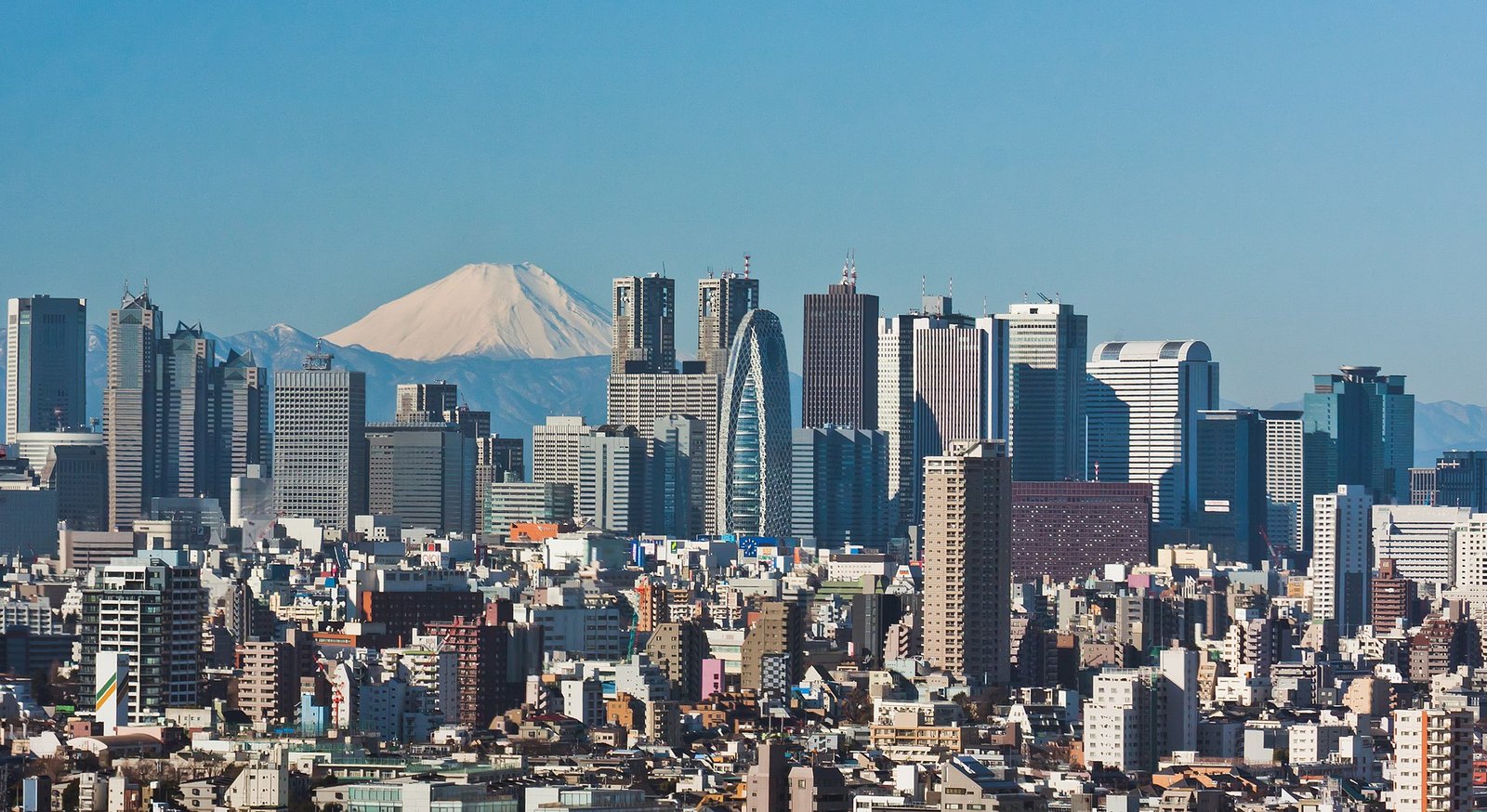
The east/west split matters more than any other decision in Tokyo. East side and Kabukicho: loud until 3am. West side (Nishi-Shinjuku, the skyscraper district): quiet. Shinjuku-sanchome is far easier to arrive at with luggage than Shinjuku proper.
Is Kabukicho actually a problem?
Short answer: no, not for hotel guests. But the reputation isn’t baseless.
Violent crime against tourists is rare — Japan’s baseline holds here. The real risk is financial: bottakuri, bars advertising ¥3,000 drinks that produce a ¥50,000+ bill via invented charges for ice, seating and service. Street touts (kyakuhiki) are illegal and operate anyway; Tokyo now runs English-language loudspeaker warnings telling visitors not to follow them.
The rule that eliminates about 95% of the risk: never follow a tout into a bar. Every serious Kabukicho scam story starts with someone accepting a stranger’s invitation off the street.
One specific area to avoid late: Cinecity Square and the “Toyoko” area after about 23:00. And don’t photograph the young people who gather there — it provokes trouble.
Walking back to a hotel in Kabukicho at 1am is safe. If you’re unsure, stay on the west side or at Shinjuku-sanchome — same transport, none of the noise, ten minutes’ walk away if you want it.
| Tier | Hotel | Rate |
|---|---|---|
| Budget | Toyoko Inn Shinjuku Kabukicho | ¥9,000–14,000 ($57–88) |
| Budget | Sotetsu Fresa Inn Higashi-Shinjuku — quieter | ¥10,000–16,000 ($63–100) |
| Budget+ | APA Hotel Shinjuku Kabukicho Tower — 620 rooms, rooftop bath; double 11 m², twin 17 m² | ¥11,000–18,000 ($69–113) |
| Mid | Tokyu Stay Shinjuku — 30 sec to Shinjuku-sanchome, in-room washer/dryer | ¥18,000–28,000 ($113–176) |
| Mid | Hotel Gracery Shinjuku — the Godzilla head hotel | ¥20,000–32,000 ($126–201) |
| Luxury | Park Hyatt Tokyo — reopened December 2025 after a 19-month renovation. Deluxe rooms 55 m² | ¥130,000–200,000+ ($816–1,256) |
| Luxury | Bellustar Tokyo / Hotel Groove Shinjuku | ¥60,000–150,000 ($377–942) |
⚠️ Park Hyatt Tokyo is the biggest correction to older guides — it was closed for most of 2024 and 2025 and many articles still say so. It is open. Note it’s a twelve-minute walk from the station, which is a long way with luggage.
2. Shibuya
Stay here if: you’re younger, you’re here for fashion and shopping, or you want energy. Also good for reaching Nakameguro, Daikanyama and Yokohama (the Toyoko line runs direct).
Don’t stay here if: you want calm, you’re a light sleeper, or you want traditional Tokyo.
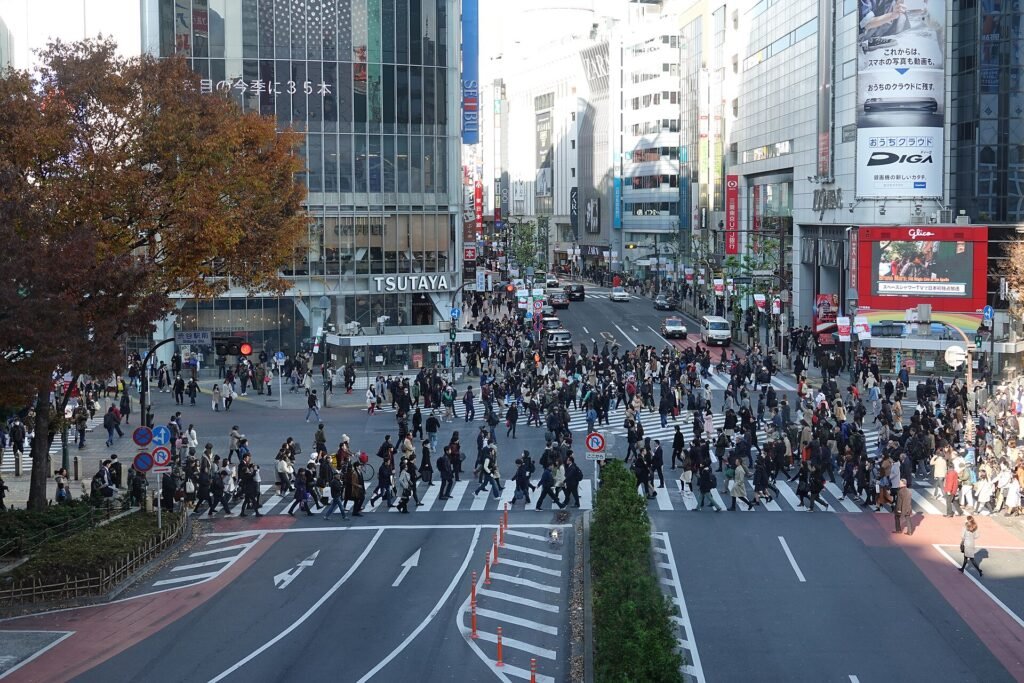
The honest downsides: the station area is permanently crowded and has been a continuous construction site for over a decade — expect hoardings, diversions and noise. Rates now match or exceed Shinjuku with less choice.
⚠️ Shibuya is genuinely hilly. It’s a valley — Dogenzaka, Sakuragaokacho and the route to Daikanyama all involve real climbs, and the station is multi-level and escalator-dependent. The worst area in this guide for wheeled luggage.
3. Ginza / Yurakucho
Stay here if: you want luxury, calm evenings, serious food and shopping, and the flattest, best-paved walking in Tokyo. The most accessible area here for mobility limitations.
Don’t stay here if: you’re on a budget or want nightlife.
⚠️ It’s a shopping district, not a neighbourhood. Ginza empties after about 21:00 and can feel oddly dead — the exact opposite of the Shinjuku problem. Business hotels here cost 20–30% more than the same chain in Asakusa or Ueno.
Yurakucho beats Ginza for most people: it puts you on the Yamanote (Ginza station isn’t), one stop from Tokyo Station, with cheap izakaya under the railway arches. Better value and more atmosphere.
| Tier | Hotel | Rate |
|---|---|---|
| Budget | IMANO GINZA HOSTEL | ¥6,000–12,000 ($38–75) |
| Budget+ | remm Hibiya — massage chairs in every room | ¥15,000–24,000 ($94–151) |
| Mid | MUJI HOTEL GINZA — above the Muji flagship | ¥25,000–42,000 ($157–264) |
| Mid+ | Hyatt Centric Ginza Tokyo | ¥30,000–50,000 ($188–314) |
| Luxury | The Peninsula Tokyo — facing the Imperial Palace gardens | ¥90,000–180,000 ($565–1,131) |
| Luxury | The Tokyo EDITION, Ginza | ¥80,000–150,000 ($502–942) |
4. Tokyo Station / Marunouchi / Nihonbashi
Stay here if: you value certainty, you’re doing multiple Shinkansen day trips, or your trip is short and time matters most.
Don’t stay here if: you’re on a budget or want street life.
⚠️ Marunouchi is dead at night and at weekends. It’s an office district and it empties — you will walk ten minutes to find dinner on a Sunday. Nihonbashi is the better-value, more characterful sibling: old merchant district, excellent traditional restaurants, one stop away, cheaper.
| Tier | Hotel | Rate |
|---|---|---|
| Budget | Toyoko Inn Tokyo Otemachi | ¥10,000–15,000 ($63–94) |
| Mid | Mitsui Garden Hotel Nihonbashi Premier — ~29.5 m² rooms, unusually generous | ¥24,000–40,000 ($151–251) |
| Mid+ | The Tokyo Station Hotel — inside the 1914 red-brick station building | ¥45,000–80,000 ($283–502) |
| Luxury | Four Seasons Tokyo at Marunouchi — 57 rooms, at the station | ¥120,000–220,000 ($754–1,382) |
| Luxury | Aman Tokyo — top six floors of Otemachi Tower | ¥180,000–350,000 ($1,131–2,198) |
| Ryokan | HOSHINOYA Tokyo — 84 rooms, a real hot-spring onsen drilled to the basement in the financial district | ¥130,000–200,000+ ($816–1,256) |
5. Asakusa / Ueno
Stay here if: you’re on a budget, you want traditional atmosphere, you’re arriving at Narita (the Skyliner reaches Ueno in 41 minutes), or you’re travelling with family.
Don’t stay here if: you want nightlife, or your itinerary is west-side.
⚠️ Asakusa is not on the Yamanote — anything west takes 30–45 minutes. It also shuts early: Nakamise closes around 17:00 and most restaurants by 21:00. Some visitors find it too quiet by 22:00.
The value case is real: budget hotels run ¥6,000–10,000 here versus ¥8,000–13,000 in Shinjuku, which frequently puts you under the ¥10,000 accommodation-tax exemption.
Asakusa or Ueno? Ueno wins on transport (Yamanote + Shinkansen + Skyliner) and museums. Asakusa wins on atmosphere. The Ginza line links them in five minutes, so you get both either way.
| Tier | Hotel | Rate |
|---|---|---|
| Hostel | Khaosan Tokyo properties | ¥3,500–8,000 ($22–50) |
| Budget | APA Hotel Keisei Ueno-Ekimae — by the Skyliner terminal | ¥9,000–15,000 ($57–94) |
| Mid | Onyado Nono Asakusa — ryokan-style, communal hot bath, tatami | ¥15,000–26,000 ($94–163) |
| Mid | NOHGA HOTEL UENO — design-led | ¥18,000–30,000 ($113–188) |
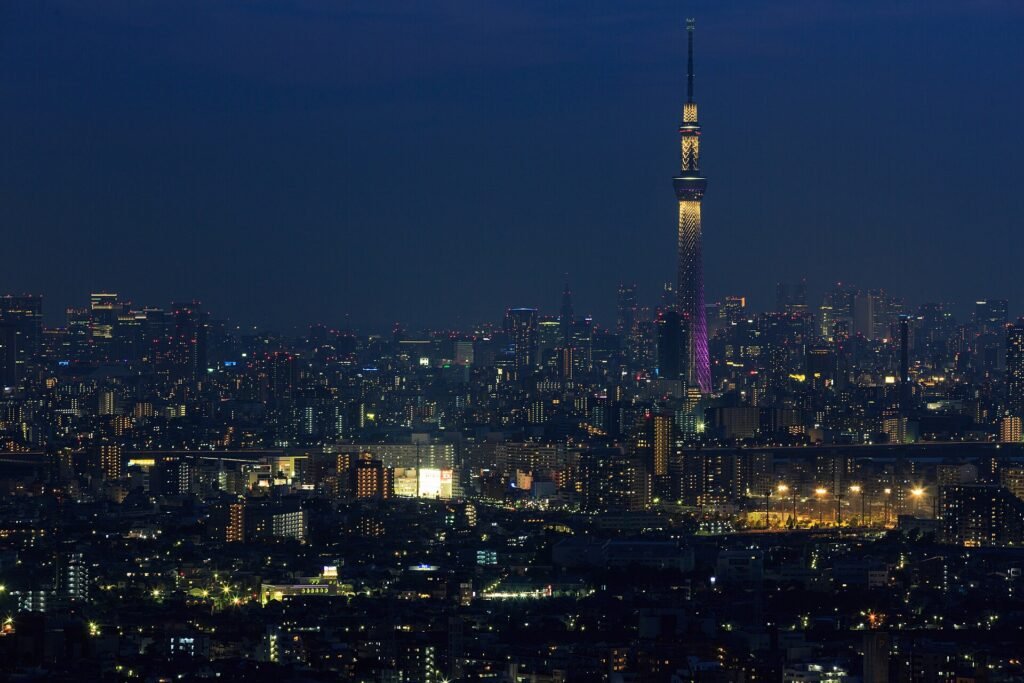
| Upper | THE GATE HOTEL KAMINARIMON by HULIC — terrace bar over Sensō-ji and the Skytree | ¥28,000–50,000 ($176–314) |
⚠️ There is no true five-star in Asakusa or Ueno. THE GATE is the ceiling. If you want luxury and old Tokyo, stay in Nihonbashi and take the Ginza line.
6. Roppongi / Azabudai
Stay here if: you’re here for nightlife, contemporary art (the Mori, National Art Center and Suntory museums form the “Art Triangle”), or fine dining.
Don’t stay here if: you’re on a budget — there’s almost nothing under ¥12,000 — or it’s your first visit. It’s the least Japanese-feeling district in Tokyo.
⚠️ This is the one area in this guide with a genuine safety caveat. Violent crime is still rare, but Roppongi has the highest concentration of touts targeting foreigners in Tokyo, and drink-spiking reports are more common here than anywhere else in the city. Staying here is fine; drinking in unvetted Roppongi bars is the risk. Do not accept drinks from strangers, do not follow touts, keep your card in sight when paying.
Also: not on the Yamanote, and the Oedo line is deep, slow and has punishing interchanges. The terrain is hilly, linked by long escalators and elevated walkways.
Azabudai Hills (opened 2023) has shifted the area upmarket and is calmer than Roppongi Crossing.
| Tier | Hotel | Rate |
|---|---|---|
| Budget | Sotetsu Fresa Inn Tokyo-Roppongi — semi-double 10.6 m², twin 13.1–14.6 m² | ¥13,000–21,000 ($82–132) |
| Mid | Hotel Villa Fontaine Grand Tokyo-Roppongi — larger rooms than typical | ¥20,000–34,000 ($126–214) |
| Luxury | The Ritz-Carlton, Tokyo — Tokyo’s highest hotel rooms | ¥110,000–200,000 ($691–1,256) |
| Luxury | Janu Tokyo — Aman’s sister brand, Azabudai Hills, 4,000 m² wellness centre | ¥130,000–250,000 ($816–1,570) |
| Luxury | The Okura Tokyo — the classic Japanese grand hotel | ¥80,000–150,000 ($502–942) |
7. Ikebukuro — the best value in Tokyo
Stay here if: you want a Yamanote address at a discount. Also for anime and manga (Otome Road, Sunshine City), families, and anyone heading to Kawagoe, Chichibu or Nikko — the Tobu and Seibu lines start here.
Don’t stay here if: you want elegance. There’s effectively no five-star and no signature sight.
⚠️ The least attractive major hub in Tokyo — cluttered, dated buildings, and the north-west exit has a large red-light and host-club district with a slightly seedy edge. Not dangerous; scruffy.
The value case: Ikebukuro is typically ¥2,000–4,000 a night cheaper than Shinjuku for equivalent quality, on the same loop, five minutes away by train. For travellers who will be out all day, this is arguably the best pure value-for-convenience trade in the city.
| Tier | Hotel | Rate |
|---|---|---|
| Budget | Toyoko Inn Ikebukuro Kita-guchi | ¥8,000–13,000 ($50–82) |
| Mid | Sunshine City Prince Hotel — direct limousine bus from both airports | ¥14,000–26,000 ($88–163) |
| Mid+ | Hotel Metropolitan Tokyo Ikebukuro — 1 min from the station. Single 17 m², twin 23 m², superior king 27 m² | ¥20,000–36,000 ($126–226) |
8. Shinagawa — for Shinkansen and Haneda
Stay here if: you’re doing Kyoto or Osaka by Shinkansen, or flying Haneda. Shinagawa is a Tokaido Shinkansen stop, so you board for Kyoto without first crossing town to Tokyo Station — and the Keikyu gets you to Haneda in about 13 minutes. It’s also on the Yamanote.
Don’t stay here if: you want atmosphere. ⚠️ Almost no neighbourhood character — it’s an office-and-transport node, dead at weekends.
New: Takanawa Gateway City opened in March 2025, one Yamanote stop north — a ¥600bn development with NEWoMan Takanawa shopping and a convention centre. It has meaningfully improved the area’s dining, which was Shinagawa’s weakest point.
| Tier | Hotel | Rate |
|---|---|---|
| Budget | 9h nine hours Shinagawa (capsule, men-only) | ¥3,500–5,000 ($22–31) |
| Mid | Shinagawa Prince Hotel — vast complex with cinema, aquarium, pools | ¥14,000–28,000 ($88–176) |
| Mid+ | OMO5 Tokyo Gotanda by Hoshino Resorts — two stops away, strong local-guide programme | ¥18,000–32,000 ($113–201) |
| Luxury | The Strings by InterContinental Tokyo — connected to the station | ¥45,000–85,000 ($283–534) |
9. Akihabara / Kanda
Stay here if: you’re here for anime, manga, gaming or electronics — or you want a Yamanote address near Tokyo Station at below-Ginza prices.
Don’t stay here if: you’re indifferent to otaku culture, or travelling with young children (the maid-café and adult-goods overlap is unavoidable on some streets).
⚠️ Visually and acoustically loud by day — competing shop jingles from every doorway, constant maid-café touting. But notably quiet at night: shops close around 20:00 and the district genuinely empties. Better for sleeping than its reputation suggests.
Kanda, immediately south, is quieter, has excellent cheap izakaya, and is a genuinely good-value central base.
| Tier | Hotel | Rate |
|---|---|---|
| Budget+ | Dormy Inn Akihabara Hot Spring — communal hot-spring bath and free late-night ramen. The best budget pick here | ¥13,000–22,000 ($82–138) |
| Mid | JR-East Hotel Mets Akihabara — directly at the station | ¥15,000–25,000 ($94–157) |
| Mid | Hotel Niwa Tokyo — Kanda, Japanese garden, the best-kept secret in the area | ¥18,000–30,000 ($113–188) |
10. Ebisu / Nakameguro / Daikanyama
Stay here if: you’re a repeat visitor, you care about food and coffee, and you want a residential Tokyo evening.
Don’t stay here if: it’s your first visit — you’ll spend too long commuting to the sights.
⚠️ Hilly and stair-heavy. Daikanyama sits on a ridge with steep approaches from both sides. Poor for wheeled luggage. And Daikanyama is on one private line only — awkward for JR Pass holders and for reaching Ueno or Asakusa.
Ebisu is the smart choice of the three: it’s on the Yamanote and the Hibiya line, one stop from Shibuya, with the neighbourhood feel intact and far better transport than Nakameguro or Daikanyama.
| Tier | Hotel | Rate |
|---|---|---|
| Budget | Tokyu Stay Meguro-Yutenji — kitchenette and laundry in-room | ¥12,000–20,000 ($75–126) |
| Mid | Hotel Excellent Ebisu — 1 min from Ebisu Station | ¥14,000–24,000 ($88–151) |
| Mid+ | Hotel Gajoen Tokyo — the extraordinary 1930s “Hyakudan Kaidan” building, part museum | ¥35,000–70,000 ($220–440) |
| Luxury | The Westin Tokyo — Yebisu Garden Place, unusually large rooms for Tokyo | ¥45,000–90,000 ($283–565) |
11. Koenji / Shimokitazawa
Stay here if: it’s your third-or-later visit and you want vintage clothing, live music, tiny bars and to be the only foreigner in the room.
Don’t stay here if: it’s your first trip. Genuinely — do not.
⚠️ Almost no hotel inventory. Both are residential districts that never developed a hotel trade. Little English signage, many places cash-preferred, and you’ll transfer for almost every major sight. Neither is on the Yamanote.
The honest pitch: these are the two best neighbourhoods in Tokyo to spend an evening in and two of the worst to base a first trip in.
BnA Hotel Koenji — one minute from the north exit, rooms individually designed by artists, part hotel and part gallery — is the standout at ¥12,000–22,000 ($75–138).
Business hotels, capsules and ryokan
Business hotels — are they good value? Emphatically yes
| Chain | Typical double | What you get | Verdict |
|---|---|---|---|
| Toyoko Inn | ¥8,000–13,000 ($50–82) | Free breakfast, free Wi-Fi, laundry | Cheapest reliable option. Utterly plain. Fine |
| APA Hotel | ¥9,000–16,000 ($57–100) | Compact rooms, excellent station locations | Best locations, smallest rooms. ⚠️ Note APA’s chairman publishes historical-revisionist material placed in rooms — some travellers object |
| Sotetsu Fresa Inn | ¥10,000–17,000 ($63–107) | Serta beds, modern design, good soundproofing | Best value of the four |
| Dormy Inn | ¥12,000–20,000 ($75–126) | Large communal onsen, free late-night ramen | Worth the ¥3,000 premium. The bath is the reason to book |
At ¥10,000–14,000 for a clean, silent, perfectly-located room with a bidet toilet and free Wi-Fi, these beat anything at the price in London, New York or San Francisco. What you sacrifice is space, natural light and any sense of occasion.
Who shouldn’t book one: anyone over about 185cm sharing a double, anyone with two large suitcases, anyone who wants to spend time in the hotel.
Capsule hotels
| Hotel | Rate | Gender policy |
|---|---|---|
| 9h nine hours | ¥3,500–5,000 ($22–31) | Men-only at Shinagawa; mixed with separate floors at Akasaka |
| The Millennials Shibuya | ¥5,500+ ($35+) | Mixed, separate floors. 120cm-wide “semi-double” pods — the roomiest |
| First Cabin | ¥5,000–7,000 ($31–44) | Mixed, separate floors. Stand-up height in First Class |
| Nadeshiko Hotel Shibuya | ¥4,400+ ($28+) | Women-only, and it has an onsen — rare at this price |
The old male-only default is largely gone; most modern capsules are mixed with hard-separated floors and keycard lift access.
Two rules that catch people out: a large checked suitcase does not fit the pod-area locker and goes to a supervised store room you can’t access freely overnight. And properties with communal baths prohibit visible tattoos; shower-only properties don’t care.
Honest verdict: you save maybe ¥5,000 a night versus a business hotel. Real for solo travellers, but thinner than people assume — for two people, a business hotel double is cheaper than two pods.
Ryokan in Tokyo
They exist, but Tokyo is the wrong city for a ryokan.
HOSHINOYA Tokyo in Otemachi is the one genuine luxury urban ryokan — 84 rooms, shoe-free from the entrance, tatami throughout, and a real hot-spring onsen drilled to the basement in the middle of the financial district. From about ¥130,000 a night. Worth it if you want one ryokan night and won’t reach Hakone or Kyoto. If you’re travelling on to a hot-spring region, skip it and spend the money there, where a comparable ryokan costs less and comes with mountains.
Below that, Asakusa has small family-run inns with tatami and futons at ¥8,000–20,000 — pleasant and atmospheric, but they’re inns, not the full ryokan article. Usually no kaiseki dinner, often shared bathrooms.
Airbnb in Tokyo — read this before you book
Under Japan’s Private Lodging Business Act, a registered minpaku may operate a maximum of 180 nights per calendar year, and wards may impose stricter limits.
What changed recently: the Japan Tourism Agency now permits local governments to set the permitted operating period to zero days in designated residential zones — an effective ward-by-ward ban.
| Ward | Rule |
|---|---|
| Shinjuku | Weekday operation banned (Mon noon–Fri noon) in residential zones. Complaints rose from 70 in 2021 to 924 in 2025 |
| Shibuya | Ordinance updated June 2026; different rules before and after 1 July 2026 registration |
| Minato | Host-absent operation restricted in most residential zones |
| From 1 Apr 2027 | Minpaku becomes subject to Tokyo accommodation tax for the first time |
How to protect yourself:
- Demand the 届出番号 (notification number). Every legal minpaku has one and must display it. No number, illegal listing.
- Check the operating dates comply with the ward’s rules.
- Walk away from any listing that withholds the address until after payment. That’s the strongest signal of an unlicensed operator.
Practical verdict: legal but heavily constrained, shrinking, and about to get more expensive. The 180-day cap means legal hosts must charge more per night, so the price advantage over a business hotel has largely evaporated. Illegal listings get delisted without warning, sometimes after you’ve booked. For one to four people, a hotel is now usually cheaper, always safer, and never cancelled by a ward ordinance. For groups of five or more, look at MIMARU or Tokyu Stay — licensed apartment-hotels — rather than Airbnb.
Frequently asked questions
What’s the best area to stay in Tokyo for a first-time visitor? Shinjuku’s west side or Shinjuku-sanchome. Every line goes there, every day trip starts there, and you can walk home from dinner. If you want the same convenience cheaper, Ikebukuro is five minutes away on the same loop.
Is it worth staying on the Yamanote line? Yes, for a first visit — it’s worth roughly ¥2,000–4,000 a night. Tokyo’s difficulty is interchange, not distance, and the loop means most days are one train with no changes.
How small are Tokyo hotel rooms really? A business hotel double is 10–13 m² — about a third the size of a typical US mid-market room. Book a “twin” instead of a “double” for three to six extra square metres, usually for only ¥1,000–2,000 more.
Is Kabukicho safe to stay in? Yes. Violent crime against tourists is rare; the risk is inflated bar bills. Never follow a tout into a bar and you eliminate almost all of it. If you’d rather not think about it, stay on Shinjuku’s west side.
Do I pay a tourist tax at my Tokyo hotel? Currently ¥0 under ¥10,000 per person per night, ¥100 up to ¥14,999, ¥200 above that. From 1 April 2027 it becomes a flat 3% with the exemption threshold raised to ¥13,000.
When is the cheapest time to book a Tokyo hotel? Mid-January to February (25–35% below baseline). The best combination of price and weather is mid-September to mid-October.
Should I stay near Narita or Haneda? Neither — both have good rail links. But if you’re flying Haneda, Shinagawa is 13 minutes away; if you’re flying Narita, Ueno is 41 minutes by Skyliner.
Is Airbnb legal in Tokyo? Only with a registered notification number, capped at 180 nights a year, and several wards now ban weekday operation in residential zones. Ask for the number before booking.
Continue planning:
- How much does a trip to Japan cost? — verified 2026 prices and three full budgets
- How much does Tokyo cost? — a day-by-day breakdown
- The best tours and day trips from Tokyo — what’s worth paying for
- Tokyo Travel Guide — everything in one place
Rates verified August 2026 at ¥159.21 = US$1. Hotel rates move daily and by season — treat every range as a range, not a quote.
Where this fits in your planning
| If you are still deciding | Read |
|---|---|
| Which districts to base yourself in | Where to Stay in Tokyo |
| What the whole trip costs | How Much Does a Trip to Tokyo Cost? and How Much Does a Trip to Japan Cost? |
| How to structure the days | The Ultimate 7-Day Tokyo Itinerary |
| Which tours are worth booking | Best Tours and Day Trips from Tokyo |
| Transport, passes and etiquette | Tokyo Travel Guide 2026 and Tokyo Travel Tips 2026 |
| Where to eat | Where to Eat in Tokyo |
| Quieter corners of the city | 12 Quiet Corners of Tokyo |
| The country beyond Tokyo | Japan Travel Guide 2026 and 7-Day Japan Itinerary |
Kansai: Kyoto and Osaka
Tokyo is only half a first trip to Japan. Two hours and fifteen minutes west, the Golden Route continues.
- Kyoto Travel Guide 2026 — the lodging tax that now reaches ¥10,000 a night, and the bus pass that no longer exists
- The Perfect 3-Day Kyoto Itinerary — built around two dawn starts
- Where to Stay in Kyoto — now the most expensive bed in Japan
- How Much Does a Trip to Kyoto Cost?
- The Best Things to Do in Kyoto — including the temples that are closed for restoration
- Osaka Travel Guide 2026 — why the Expo site is shut and the Amazing Pass still wins
- The Perfect 2-Day Osaka Itinerary
- Where to Stay in Osaka — Umeda or Namba, decided
- The Best Things to Do in Osaka
- Best Day Trips from Osaka and Kyoto — Nara, Kobe, Himeji, Koyasan
Before you book
Tokyo check-in times are strict and coin lockers at the major stations fill fast on weekends. If you land in the morning, store your bags near your first stop rather than carrying them through Shibuya. Most Tokyo hotels will also hold luggage before check-in, so ask first and only pay if the answer is no.
Save this for later