
In short
What is worth paying for, and what is not. Worth it: a neighbourhood sento (¥600), kimono rental booked online (¥3,300), the Ghibli Museum (¥1,000), baseball tickets bought direct (¥3,000–4,000). Skip: Tsukiji “food tours” at $70–96, combined Fuji-and-Hakone-in-one-day coach tours, Kamakura coach day trips. Almost everything on the skip list is something you can do yourself for a fraction of the price.
Prices checked directly with operators, August 2026.
Disclosure: some links in this guide are affiliate links. If you book through one, we earn a small commission and you pay exactly the same price. We only link to services we would use ourselves, no brand pays for placement or for a favourable write-up, and every price in this article was researched independently.
Japan’s public transport is so good, and so well signed in English, that most Tokyo tours sell you convenience you don’t need at a three-to-six-times markup. A Kamakura day trip that costs about ¥2,200 to do yourself sells for $71 to $148.
What is in this guide
- The summary
- Mt Fuji and Hakone
- Climbing Mt Fuji — the rules changed completely
- Nikko
- Kamakura and Enoshima
- Kawagoe (Little Edo) — the best-value day trip from Tokyo
- Yokohama
- Snow monkeys (Jigokudani) — feasible, but be honest about it
- Onsen day trips from Tokyo
- Tokyo Disneyland and DisneySea — and the big 2026 change
- Ghibli Museum vs Ghibli Park — two completely different places
- Food tours — the most price-dispersed category on this list
- Cooking classes
- Sake tasting
- Tea ceremony
- Kimono rental in Asakusa
- Street go-karting — the licence trap
- Samurai Restaurant — and the Robot Restaurant question
- Guided walks — and the volunteer programmes most guides describe wrongly
- Onsen and sento in Tokyo
- Baseball — the best-value night in Tokyo
- What changed since early 2025
- Frequently asked questions
- Where this fits in your planning
- Where to book the things in this guide
- Kansai: Kyoto and Osaka
But some tours genuinely earn their money — where they solve access, a language-gated venue, or an awkward transport chain. This guide separates the two, with 2026 prices and the DIY route for everything.
Prices verified August 2026 at ¥159.21 = US$1 (Federal Reserve, 14 August 2026). Booking-platform prices are “from” figures and move daily.
Editor’s note
Nikko and Kamakura sit on ordinary trains and need no guide at all. Mount Fuji is the one where a tour genuinely earns its price, because the public route depends on a bus that fills up and leaves people behind in high season.
The summary
| Genuinely worth it | Skip |
|---|---|
| Tokyo sento (¥600) | Tsukiji “food tours” at $70–96 |
| Kimono rental (¥3,300 booked online) | Combined “Fuji + Hakone in one day” coach tours |
| Ghibli Museum (¥1,000) | Kamakura coach day trips |
| Baseball bought direct (¥3,000–4,000) | Samurai Restaurant at the ¥10,000 door price |
| Volunteer guide programmes (free) | Third-party baseball tickets |
| Golden Gai bar-hopping tour ($90–108) | Ghibli Park as a Tokyo day trip |
| Sake tasting, low tier ($19–38) | Sushi classes with 40–90 person capacity |
| Kawagoe day trip (under ¥1,500 return) | Tea ceremony bundled into dinner cruises |
| Hakone Freepass (¥7,100) | Street go-karting, unless you want the photos |
Mt Fuji and Hakone
These get sold together and shouldn’t be. They’re in different directions and each needs a day.
Hakone — do it yourself
The Hakone Freepass exists precisely to make the loop idiot-proof, and the signage is bilingual throughout.
| Pass | Adult | Child |
|---|---|---|
| 2-day from Shinjuku | ¥7,100 ($44.59) | ¥1,600 |
| 3-day from Shinjuku | ¥7,500 ($47.11) | ¥1,850 |
| 2-day from Odawara | ¥6,000 ($37.69) | ¥1,500 |
| Romancecar surcharge, Shinjuku to Hakone-Yumoto | +¥1,200 ($7.54) | +¥600 |
Is it worth it for just one day? Yes, marginally. Buying the full loop piecemeal — train, cable car, ropeway, pirate ship, bus — comes to roughly ¥8,172, so the ¥7,100 pass saves about ¥1,072 even on a single day, and removes all the ticket friction.
A coach tour costs two to three times the pass and forces you through Owakudani at the worst hour. There is nothing here for a guide to solve.
Anyone telling you “Hakone now requires a reservation” is wrong. There is no entry-cap or booking system for the Hakone loop in 2026.
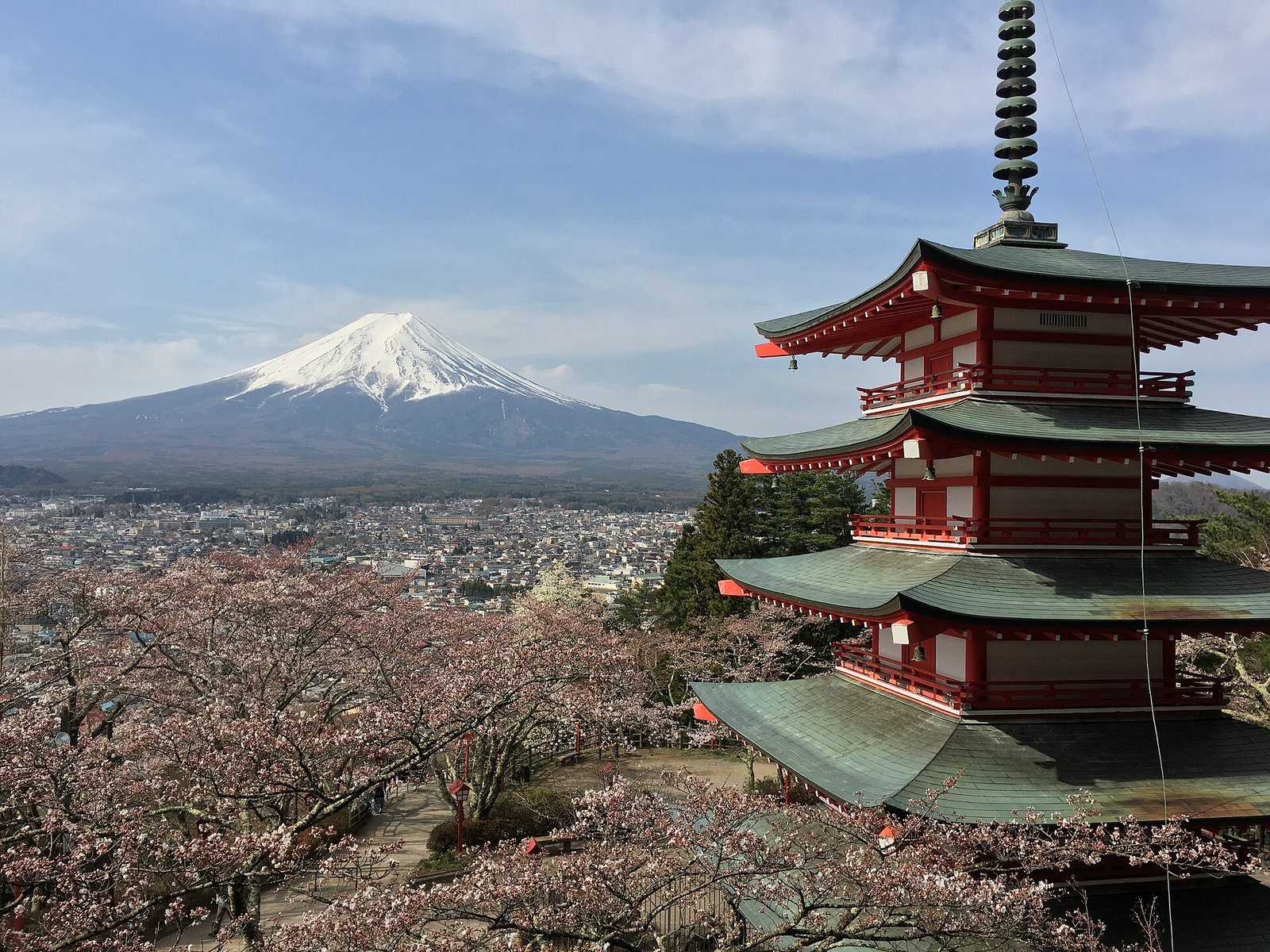
Mt Fuji and Kawaguchiko — a tour is defensible here
| DIY route | Fare | Time |
|---|---|---|
| Shinjuku to Kawaguchiko, highway bus | ¥2,200 ($13.82); ¥2,000 online | ~2 hr |
| Shinjuku to Kawaguchiko, Fuji Excursion limited express | ¥4,130–4,200 ($26) | 1 hr 54 |
| Shinjuku to Otsuki to Fujikyu (local) | ¥2,580 ($16.20) | 2.5–3 hr |
| Kawaguchiko to Fuji Subaru Line 5th Station bus | ¥2,000 one way / ¥3,400 return | 50 min |
The Fuji Excursion runs four round trips a day, all seats reserved, released at 10:00 JST one month ahead — and they sell out. Since August 2025 overseas visitors can book the whole Shinjuku–Kawaguchiko route online without holding a JR Tokyo Wide Pass, which was previously impossible.
| Coach tour | Price | Duration |
|---|---|---|
| Klook “Spectacular Mt Fuji Day Bus Tour” — Kawaguchiko cruise, Oshino Hakkai, Chureito Pagoda, hoto lunch | $100.19 | 10–11 hr |
| Viator Mt Fuji and Hakone 1-Day Bus Tour | $131.71 | ~11 hr |
| GetYourGuide Fuji / Oishi Park / Oshino Hakkai group tour | from $49 | 10 hr |
| Private with English driver-guide | $334–450 per group | 9–11 hr |
Verdict. Kawaguchiko’s viewpoints — Chureito Pagoda, Oshino Hakkai, Oishi Park — are scattered, and by public transport that means slow local buses and a lot of waiting. The $100 coach is a real time-for-money trade. But avoid the combined “Fuji + Hakone in one day” products: eleven hours, two regions, four photo stops, and you see neither properly. That is the worst-structured product in the market.
The Lawson photo spot: the famous convenience-store-with-Fuji shot. A 2.5m black screen went up in May 2024 and came down that August; a new waist-high (~1.4m) brown barrier went up in August 2025 to keep people out of the road while leaving the view intact. The shot still works — you are shooting over a fence, not a wall.
Climbing Mt Fuji — the rules changed completely
This section invalidates almost every guide written before 2026.
The history: in 2024 only the Yoshida Trail charged (¥2,000), and Shizuoka’s three trails were free with no gate. In 2025 Yoshida rose to ¥4,000 and Shizuoka introduced its own ¥4,000. In 2026 all four trails charge ¥4,000, both prefectures require advance registration, and Shizuoka added a compulsory e-learning test.
| Trail | Prefecture | 2026 season | Daily cap | Fee |
|---|---|---|---|---|
| Yoshida | Yamanashi | 1 Jul – 10 Sep | 4,000 climbers/day | ¥4,000 ($25.12) |
| Subashiri | Shizuoka | 1 Jul – 10 Sep (moved forward from 10 Jul) | none | ¥4,000 |
| Fujinomiya | Shizuoka | 10 Jul – 10 Sep | none | ¥4,000 |
| Gotemba | Shizuoka | 10 Jul – 10 Sep | none | ¥4,000 |
Rules on all four trails:
- ¥4,000 per person per climb. Not a donation. Not optional.
- Gates physically close 14:00 to 03:00. Only climbers holding a mountain-hut reservation may pass. This kills “bullet climbing” — the overnight ascent without sleeping.
- Mountain toilets are tip-based, ¥200–300 each.
Two different reservation systems — do not confuse them:
| Side | System |
|---|---|
| Yamanashi (Yoshida) | Book via Asoview, 4,000/day cap. Pay ¥4,000, collect a wristband at a permanent steel gate at the 5th Station. Same-day possible if the cap is not hit. Mandatory gear check: trekking shoes, cold-weather clothing, separate rain jacket and trousers. No gear, no entry |
| Shizuoka (Fujinomiya, Subashiri, Gotemba) | FUJI NAVI app, launched 8 May 2026. Advance registration mandatory — no walk-ups. Complete a compulsory safety e-learning course and test, register your date, pay ¥4,000, get a QR code, exchange it for a wristband at the trailhead |
Mountain huts run ¥13,000–15,000 ($82–94) per person with two meals, booked entirely separately from the entry permit. Private cars are banned from the Fuji Subaru Line 3 July to 10 September; use the bus.
Verdict. DIY is fine for fit hikers — the systems are in English. A guided climb’s value is the hut booking and the pacing, not the permit. But any guide telling you to “just turn up at the 5th Station” is dangerously out of date, and Yoshida genuinely sells out on summer weekends.
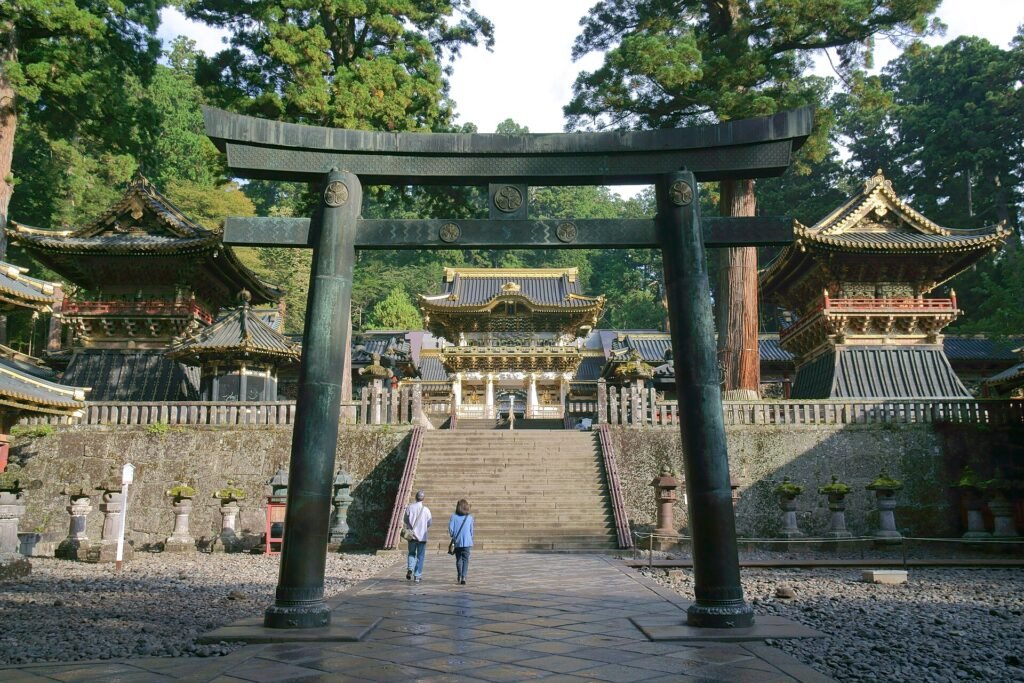
Nikko
| Item | Price |
|---|---|
| Toshogu Shrine admission | ¥1,600 ($10.05) adult |
| Toshogu + Treasure Museum combo | ¥2,400 |
| Audio guide (EN/JP/CN) | ¥500/day |
| Hours | 09:00–17:00 Apr–Oct; 09:00–16:00 Nov–Mar |
| Tobu pass (foreign passports only) | Adult | Covers |
|---|---|---|
| NIKKO PASS WORLD HERITAGE AREA | ¥3,000 ($18.84), 2 days | Asakusa to Shimo-Imaichi return + shrine-area buses |
| NIKKO PASS ALL AREA | ¥8,000 ($50.25), 4 days | Above + all Nikko buses, Lake Chuzenji cruise, one day-use onsen, winter ski lift |
Both passes exclude the limited express (Spacia / Spacia X) surcharge and all temple admissions. Budget for those separately.
| Organised tour | Price | Duration |
|---|---|---|
| Toshogu + Kegon Waterfall | $76/person | 11 hr |
| Toshogu + Lake Chuzenji + Kegon Falls | $120/person | 9–10 hr |
| Private by public transport | $205/group | 10 hr |
Verdict: DIY for the shrines; tour only for Okunikko. World Heritage Pass (¥3,000) + Toshogu (¥1,600) + express surcharge comes to about ¥6,000–7,000 all in, and Toshogu is a twenty-minute walk from the station that self-guides fine. The genuine case for a tour is Lake Chuzenji + Kegon Falls + the Irohazaka switchbacks in the same day — that bus sequence eats hours and the last connections back are unforgiving.
Kamakura and Enoshima
| Item | Price | Time |
|---|---|---|
| JR Yokosuka Line, Tokyo Stn to Kamakura | ¥1,040 ($6.53) one way | just under 1 hr |
| Enoden 1-Day Pass “Noriorikun” | ¥800 ($5.02) | — |
| Enoshima-Kamakura Freepass (Odakyu, from Shinjuku) | ¥1,640 ($10.30) | but roughly 2x the journey time |
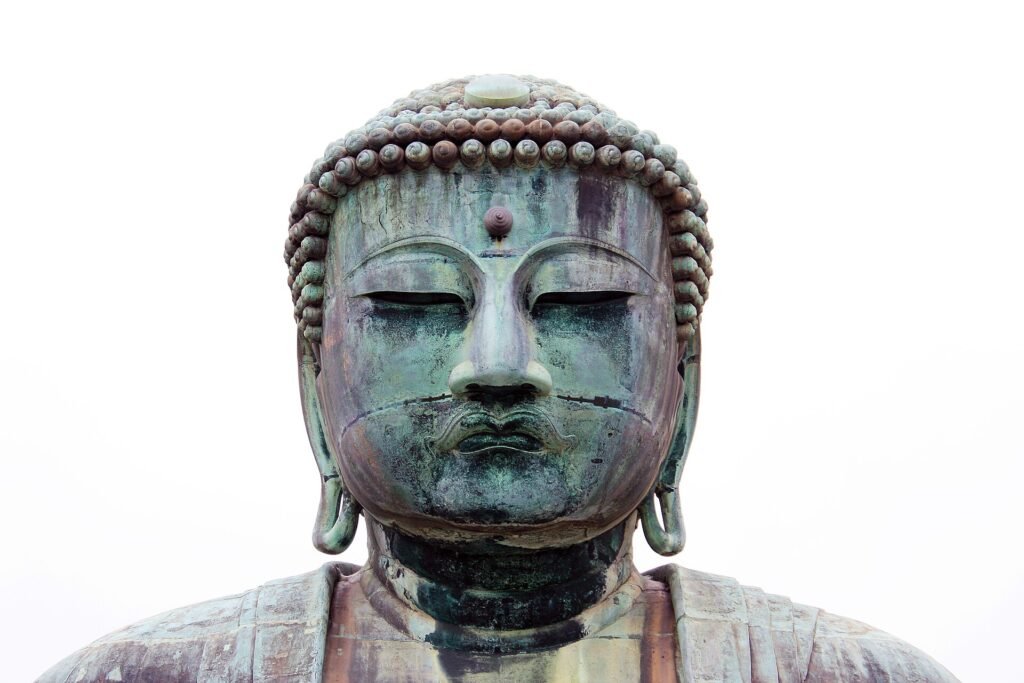
| Kotoku-in (Great Buddha) admission | ¥300 ($1.88) | 08:00–17:30 Apr–Sep |
| Inside the Great Buddha | +¥50 ($0.31) | — |
The cleanest combination: JR to Kita-Kamakura (¥1,040) + Enoden day pass (¥800) = ¥1,840 ($11.56), and you keep the fast train.
Organised tours run $71–148 per person, or $289–758 for a private group.
Verdict: DIY, obviously. This is a five-to-seven-times markup on a trip that is a train ride and a walk.
Kawagoe (Little Edo) — the best-value day trip from Tokyo
| Route | Fare | Time |
|---|---|---|
| Tobu Tojo, Ikebukuro to Kawagoe (express) | ¥490 ($3.08) one way | 30 min |
| JR Saikyo/Kawagoe, Shinjuku to Kawagoe | ¥810 ($5.09) | ~55 min — JR Pass valid |
| SEIBU KAWAGOE PASS (foreign passports) | ¥1,000 ($6.28) | — |
| TOBU KAWAGOE DISCOUNT PASS Premium | ¥1,200 ($7.54) | — |
Verdict: DIY, obviously. Under ¥1,500 return from Ikebukuro, thirty minutes each way, and the Kurazukuri warehouse street plus Kashiya Yokocho (candy alley) are walkable from the station. Organised Kawagoe tours exist but there is nothing to solve — no tickets, no transfers, no language barrier beyond a menu. The highest atmosphere-per-yen day trip from Tokyo.
Yokohama
| From | Fare | Time |
|---|---|---|
| Shibuya (Tokyu Toyoko F-Liner) | ¥309 ($1.94) | ~30 min |
| Shinagawa (JR Tokaido) | ¥303 | 16 min |
| Tokyo Station | ¥483 | ~30 min |
Cup Noodles Museum ¥500; Yokohama Air Cabin ropeway ¥1,000 one way; Manyo Club onsen ¥2,950.
Landmark Tower Sky Garden observatory is closed for renovation until at least 2028 — a lot of guides still recommend it.
Verdict: worth a half-day, not a full day, and only for Chinatown, the Cup Noodles Museum with kids, or Sankeien Garden. At ¥309 from Shibuya the downside risk is near zero. No tour is ever justified. This is a train ticket and a map.
Snow monkeys (Jigokudani) — feasible, but be honest about it
| Leg | Fare | Time |
|---|---|---|
| Tokyo/Ueno to Nagano, Hokuriku Shinkansen | ¥8,500 ($53.39) | 80–110 min — JR Pass covers this |
| Nagano to Kanbayashi, express bus | ¥2,000 ($12.56) | 45 min |
| Trail walk to the monkeys | free | 25–30 min each way, 1.6 km |
| Park admission | ¥800 ($5.02) | — |
| DIY round-trip total | ~¥21,800 ($136.93) | ~12 hours |
Feasible? Yes — but it is a twelve-hour day for forty-five minutes of monkeys. Three honest caveats:
- The monkeys only reliably sit in the hot spring in deep winter. January and February are optimal. In summer they are around but you may see monkeys on rocks, not the postcard shot.
- The 1.6 km trail is icy in exactly the season you want to go.
- From late August 2026 the park is introducing online ticketing — check before you travel.
A JR Pass changes the maths completely — ¥17,000 of the ¥21,800 is the Shinkansen. Otherwise, stay overnight in Shibu Onsen and make it a proper trip.
Onsen day trips from Tokyo
| Option | Day-use price | Tattoo policy |
|---|---|---|
| Hakone Yuryo (Hakone-Yumoto) | ¥1,400 ($8.79) weekday adult; private rooms ¥6,000 | No tattoos, communal or private |
| Tenzan Onsen (Hakone) | not published | Tattoo-friendly — but only one tattooed person per group; groups with two or more are refused |
| Thermae-Yu (Shinjuku Kabukicho) | ¥2,700 weekday, ¥2,200 online; open 24 hr | Gendered and conditional. Women may enter with fashion tattoos covering anything over 30x30cm; men must show a passport as tourists and cover tattoos, refused if they cannot |
| Any Tokyo sento | ¥600 ($3.77) | Varies by bathhouse |
Odaiba Oedo-Onsen Monogatari closed permanently on 5 September 2021 — land-lease expiry, not COVID. It is still recommended in circulating guides. It does not exist.
Verdict: Hakone-Yumoto is the correct answer — ninety minutes from Shinjuku, ¥1,400 to bathe, and the Freepass gets you there anyway. Tattooed visitors should target Tenzan specifically and read its group rule carefully.
Tokyo Disneyland and DisneySea — and the big 2026 change
| Ticket | 2026 range | USD |
|---|---|---|
| Adult (18+) | ¥7,900 – ¥12,400 | $49.62 – $77.89 |
| Junior (12–17) | ¥6,600 – ¥10,200 | $41.45 – $64.07 |
| Child (4–11) | ¥4,700 – ¥5,900 | $29.52 – $37.06 |
| Fantasy Springs Magic 1-Day (adult) | ¥22,900 – ¥25,900 | $143.84 – $162.68 |
October 2026 introduces a new top tier of ¥12,400, up from a ¥10,900 ceiling.
The reservation system — the part guides get wrong. There are no park reservations at Tokyo Disney Resort. You buy a date-specific ticket and you enter. That is the whole system. Tickets go on sale two months ahead at 14:00 JST. Only 1-day tickets are sold — no multi-day passports, no annual passes.
Fantasy Springs moved from virtual queue and Standby Pass to ordinary standby lines on 1 April 2025. A regular ticket gets you in. Guides still describing a Fantasy Springs lottery are eighteen months stale.
Free line-skipping is being abolished
The free Priority Pass ends 31 August 2026. From 1 September 2026 paid Disney Premier Access expands to replace it.
| Attraction | DPA price |
|---|---|
| Beauty and the Beast; Frozen Journey; Rapunzel’s Lantern Festival; Peter Pan; Soaring; Toy Story Mania! | ¥2,000 ($12.56) |
| Baymax; Splash Mountain; Tower of Terror; Journey to the Center of the Earth | ¥1,500 ($9.42) |
| Big Thunder Mountain; Pooh’s Hunny Hunt (from 1 Sep) | ¥1,500 |
| Monsters Inc. Ride and Go Seek (from 1 Sep) | ¥1,000 ($6.28) |
| Parades and shows | ¥2,500–3,500 |
Star Tours, 20,000 Leagues and Turtle Talk revert to standby-only with no skip option at all.
Verdict. The base ticket is fair — ¥7,900 off-peak is roughly half a Walt Disney World day. But from 1 September 2026 the real cost of a good day rises sharply: a family of four wanting four Premier Access rides adds ¥24,000–32,000 ($150–200) on top of admission. Go on a low-tier weekday and budget for it. Never buy a third-party “Disney tour” — there is nothing to guide and no queue to skip you cannot buy in the app.
Ghibli Museum vs Ghibli Park — two completely different places
These get conflated constantly. The Ghibli Museum is a small museum in Mitaka, western Tokyo, about 20 minutes from Shinjuku. Ghibli Park is a large outdoor park in Aichi Prefecture next to Nagoya — roughly 1 hr 40 by Shinkansen plus 45 minutes of local transit from Tokyo.
Ghibli Museum, Mitaka
| Age | Price |
|---|---|
| 19+ | ¥1,000 ($6.28) |
| 13–18 | ¥700 |
| 7–12 | ¥400 |
| 4–6 | ¥100 |
Date- and time-specified entry only. No same-day sales, no door sales, resale prohibited. Two channels for overseas visitors: LAWSON TICKET goes on sale 10:00 JST on the 10th of each month for the following month; JTB overseas sells on the 1st for entry three months later.
Ghibli Park, Aichi
| Ticket | Weekday | Weekend |
|---|---|---|
| O-Sanpo Day Pass Premium (all 5 areas) | ¥7,300 ($45.85) | ¥7,800 |
| O-Sanpo Day Pass Standard (3 areas) | ¥3,300 ($20.73) | ¥3,800 |
Reservations mandatory year-round, no walk-ups, no discounts. Sales open 14:00 JST on the 10th, two months ahead. Closed Tuesdays.
Verdict. Ghibli Museum: yes — ¥1,000 is one of the best-value tickets in Tokyo, and the only real difficulty is the ticket calendar. Set a phone alarm for the 10th at 10:00 JST. Ghibli Park: not a Tokyo day trip. Shinkansen each way plus a ¥7,300 pass plus local transit is a ¥30,000+ ($190) day for one person before food. Do it if you are routing through Nagoya or Kyoto anyway.
Food tours — the most price-dispersed category on this list
$16 and ¥26,400 buy broadly the same three neighbourhoods.
| Tour | Price | Duration | Rating |
|---|---|---|---|
| Tsukiji Fish Market Food and Walking Tour | $16 | 2 hr | 4.9 stars (2,016) |
| Tsukiji Food Walking Tour, 5 tastings | $96 | 3 hr | 4.9 stars (3,715) |
| Shinjuku Food Tour, 13 dishes / 4 eateries | $74 | 3 hr | 4.9 stars (9,378) |
| Best of Shinjuku: Izakaya Food Tour, 14+ tastings | $90 | 3.5 hr | 5.0 stars (3,149) |
| Shinjuku Bar Hopping: free-flow, Golden Gai | $108 | 3 hr | 4.9 stars (3,943) |
| Omakase Sushi and A5 Wagyu Premium Tour | $139 | 3.5 hr | 4.9 stars (1,368) |
| Arigato Japan — Shinjuku/Golden Gai evening | ¥26,400 ($165.82) | 3 hr | — |
The honest breakdown:
- Tsukiji: do not pay for a tour. It is an open-air market where every stall has photos and English prices. The $16 walk is fine as cheap orientation; the $96 version is not defensible. Nobody needs a guide to buy a tamagoyaki skewer. Note the famous tuna auction is at Toyosu, not Tsukiji, and no Tsukiji tour includes it.
- Izakaya and Golden Gai bar-hopping: this is where a tour earns its money. Golden Gai bars are six seats wide, often charge a cover, and frequently discourage walk-in foreigners. $90–108 for a guide who gets you into three of them with drinks included is a fair trade — the one food category worth booking.
- Omoide Yokocho needs no guide. Walk in, point at yakitori, pay.
- Arigato Japan at ¥26,400 is 1.5–2x the comparable products. It may well be better — smaller groups, more curation — but it is not the standard price.
Cooking classes
| Operator | Price | Duration | Group size |
|---|---|---|---|
| Sushi Making Tokyo (Asakusa) | ¥13,000 ($81.65) | 1.5 hr | up to 90 people |
| byFood (Asakusa), incl. hotel pickup | $75.46 | 2 hr | 1–40 |
| Tokyo Washoku 4-hr class (market, sushi, miso, tamagoyaki) | from $77 | 4 hr | — |
| YUCa’s Japanese Cooking — ramen and gyoza from scratch | from ¥13,000 | — | small |
¥12,000–13,000 ($75–82) is the market rate and it is defensible — with one caveat. Check the group size before booking. A class advertising “up to 90 people” is a demonstration with a rice-rolling exercise, not tuition. Sub-twelve-person classes at the same price are strictly better value.
Ramen classes are rarer and more interesting than sushi classes, precisely because ramen is the harder thing to reproduce — and unlike sushi you cannot easily eat a good version of “noodles you rolled yourself” anywhere else.
Sake tasting
| Experience | Price | Duration |
|---|---|---|
| Historic Kanda tasting at Tokyo’s oldest sake shop (est. 1596), ~6 sakes | $19–38 | 2 hr |
| Asakusa sake tasting, optional food | from $28 | 30 min |
| Shibuya tasting with snack pairing, 50+ varieties | $27–39 | 70 min |
| Deep Dive Sake Tasting with a specialist, 50+ labels | from $50 | 110 min |
Good value at the low end, pointless at the high end. $19–38 for two hours with a knowledgeable pourer and six sakes is genuinely useful — sake is the one Japanese product where Western visitors have no vocabulary and the labelling is opaque. Above about $50 you are paying tour margin on liquor you could buy at a standing bar for a third of the price.
Tea ceremony
| Venue | Price | Duration |
|---|---|---|
| Chazen | ¥3,500 ($21.98) | — |
| Shizu-Kokoro | ¥4,620 ($29.02) | 90 min |
| Jugetsudo | ¥6,000 ($37.69) | 45 min |
| Fukagawa Geisha tea ceremony | ¥7,000 ($43.97) | — |
| Yakatabune houseboat bundling tea, shamisen and sukiyaki | from $80 | 90–100 min |
¥3,500–6,000 ($22–38) is fair; above ¥7,000 you are paying for costume and theatre, not tea. A real chanoyu is quiet, slow and 45–90 minutes. The trap is the bundle: “tea ceremony + kimono + geisha + dinner cruise” packages at $80+ are entertainment with a whisk in it. Fine as a fun night — just do not let anyone sell it to you as the cultural thing.
Kimono rental in Asakusa
| Operator | Plan | Price |
|---|---|---|
| wargo Asakusa | Standard Kimono | ¥3,300 ($20.73) online — ¥4,400 walk-in |
| wargo | Retro Modern | ¥5,500 online |
| wargo | Couple plan | ¥7,700/pair online |
| VASARA Asakusa | Standard | ¥3,278 incl. tax discounted |
Full set: kimono, obi, zori sandals, bag, tabi, undergarments, plus basic hair styling and one ornament.
One of the few tourist activities that is not a rip-off. About ¥3,300 for a full set, dressing, hair and a day’s wear is under $21. Two warnings: book the online rate (walk-in is 25–33% more), and watch the 17:00–18:00 return deadline — it is earlier than people expect and the late fees bite (¥1,100 per item, ¥2,200 next-day). The ¥5,500 “retro modern” upgrade buys a different fabric pattern, nothing more.
Street go-karting — the licence trap
Get this right; it is the most consequential detail here. Driving a go-kart on Tokyo public roads is legal, but the karts are road vehicles and you need a licence Japan recognises.
For US and UK visitors: your home licence plus a 1949 Geneva Convention International Driving Permit works. In the US, get the IDP from AAA before you fly — you cannot obtain one once you are in Japan. This is the single most common trip-ruining mistake in this category. Carry the IDP, your home licence and your passport together.
| Route | 1-hour price |
|---|---|
| Shibuya / Harajuku | ¥9,900–15,000 ($62–94) |
| Akihabara / Ginza | ¥15,400–16,000 ($97–100) |
| Asakusa / Skytree | ¥8,800–15,000 ($55–94) |
“MariCar” no longer trades under that name — the company lost a trademark suit brought by Nintendo and rebranded. Any guide still saying “book MariCar” is wrong. The main operator is Street Kart.
Verdict: legal, but a soft trap. $60–100 for an hour, plus an IDP you must arrange before leaving home, plus the fact that you spend that hour concentrating on Tokyo traffic in a vehicle with no roof, no seatbelt and no crumple zone at exhaust-pipe height. It photographs brilliantly, and that is genuinely most of the point.
Samurai Restaurant — and the Robot Restaurant question
The Robot Restaurant is closed and is not coming back. It shut around 2020. Samurai Restaurant now operates in the same Kabukicho venue, reusing much of the equipment and neon.
| Channel | Price |
|---|---|
| Door / full price | ¥10,000 ($62.81) |
| Rakuten Travel Experiences | from ¥7,000 ($43.97) |
| GetYourGuide, ticket + 2 drinks + hotel transfer | $54 (~¥8,600) |
Never pay the ¥10,000 door price. Third-party channels are consistently 15–45% cheaper for the identical seat, which tells you what the door price actually is.
As an experience: loud, silly, about 90 minutes, entirely artificial. Nobody in Japan considers this culture. Worth it as kitsch at $54, or not at all — but do not let a guide describe it as traditional.
Guided walks — and the volunteer programmes most guides describe wrongly
“Free volunteer guide” means different things at different organisations, and one of the best-known ones is not free.
| Programme | Cost | Detail |
|---|---|---|
| Tokyo Systematized Goodwill Guide Club (SGG) | Genuinely free | Free guided walks in Asakusa, Ueno Park, Yanaka and the Imperial Palace East Gardens, in English. Imperial Palace tours suspended from April 2026, expected back September 2026 |
| Tokyo Free Guide | Free guide; you cover costs | Free private guided tours, apply up to two months ahead. In practice you cover the guide’s transport and admissions |
| Tokyo Volunteer Guides (official, via GO TOKYO) | NOT free | The fee covers transport and admissions for you and for the two guides. Two guides per tour, max five guests, 17 routes. Payment in JPY, in advance |
| Tokyo Localized | Tip-based | Asakusa, Shibuya, Shinjuku |
The volunteer programmes are the best-value experience in this entire guide, and the one most articles get wrong. SGG’s fixed-schedule Asakusa and Ueno walks are genuinely free, staffed by trained enthusiasts, and need no booking gymnastics — start there. Tokyo Free Guide gives you a private guide for a full day at no fee, which is remarkable, but you are expected to cover their train fares and tickets.
And correct the common error: the official “Tokyo Volunteer Guides” programme charges you for two guides’ transport and admissions. For a solo traveller visiting a couple of paid sites, that can exceed the cost of a commercial group tour. Volunteer does not mean free.
For tip-based tours, budget ¥2,000–3,000 per person as a fair tip.
Onsen and sento in Tokyo
The Tokyo sento maximum entry fee rose from ¥550 to ¥600 on 1 August 2026. Children 6–11 stay ¥200, under-6s ¥100. The Metropolitan Government set the rise after reviewing around 40 bathhouses running deficits. 417 sento remain in the prefecture, down 13 year on year, serving 21.2 million users.
¥600 for a neighbourhood sento is the best-value cultural experience in Tokyo, full stop — cheaper than a coffee, and it is the real thing rather than a facsimile. There is now a “WELCOME! SENTO” campaign explicitly promoting bathhouses to international visitors, which is a genuine 2025–26 shift.
The ¥2,700 “super sento” complexes like Thermae-Yu are comfortable but they are urban spas at 4.5x the price of the real thing.
For tattooed visitors, the honest position: most Tokyo facilities either ban tattoos or apply inconsistent, sometimes gendered, discretionary rules. Cover-up stickers are the practical workaround, and the reliably tattoo-friendly options are largely outside the city. Do not believe anyone who tells you “attitudes have relaxed” — the 2026 evidence says policies remain restrictive and arbitrary.
Baseball — the best-value night in Tokyo
| Yomiuri Giants | Tokyo Yakult Swallows | |
|---|---|---|
| Venue | Tokyo Dome (10 min from Suidobashi) | Meiji Jingu Stadium (5 min from Gaiemmae) |
| Price range | ¥1,000–25,000 ($6.28–157); standing room ¥1,500 | Similar; general admission ~¥3,000–4,000 |
How to buy — the part guides botch:
- Swallows: the official English channel works. Swallows Ticket (Pia-operated) sells e-tickets in English — but payment is Apple Pay or Google Pay only. The ticket displays on your phone. Flag that requirement, because it is the one thing that blocks people.
- Giants: official English site, or day-of tickets at Tokyo Dome.
- Third-party (Klook, KKday, GetYourGuide): exist mainly to work around Japanese sites rejecting foreign cards. KKday sells at ¥14,500, Klook at ¥24,000 — for a ticket and a towel.
Buy direct. A ¥3,000–4,000 general-admission seat is the correct purchase; ¥14,500–24,000 packages are charging $90–150 for a ticket plus a towel.
Recommend the Swallows over the Giants for atmosphere: Jingu is an open-air 1926 stadium, you can drink outdoors, and the umbrella dance is the thing people remember. Tokyo Dome is a concrete dome.
What changed since early 2025
A guide written in March 2025 is now wrong on several counts:
| Change | Effective |
|---|---|
| Mt Fuji: ¥4,000 on all four trails, mandatory registration both prefectures, compulsory e-learning test on the Shizuoka side | 2026 season |
| Subashiri Trail opens 1 July, nine days earlier | 2026 season |
| Japan departure tax tripled, ¥1,000 to ¥3,000 | 1 Jul 2026 |
| Tax-free shopping moves from till-discount to airport refund | 1 Nov 2026 |
| Tokyo Disney free Priority Pass abolished; paid Premier Access expands | 1 Sep 2026 |
| Disney top ticket tier rises to ¥12,400 | Oct 2026 |
| DisneySea Fantasy Springs moved to ordinary standby lines | 1 Apr 2025 |
| Tokyo sento max fee ¥550 to ¥600 | 1 Aug 2026 |
| Robot Restaurant confirmed closed; Samurai Restaurant in the venue | since 2023 |
| Odaiba Oedo-Onsen Monogatari closed permanently | Sep 2021 |
| Yokohama Landmark Tower Sky Garden closed for renovation | until 2028+ |
Frequently asked questions
What is the best day trip from Tokyo? Kawagoe for value (under ¥1,500 return, thirty minutes), Nikko for grandeur, Hakone for scenery and onsen. Kamakura is excellent and needs no tour at all.
Are Tokyo tours worth it? Mostly no. Japan’s transport is so well signed in English that most tours sell convenience at a three-to-six-times markup. The exceptions: Golden Gai bar-hopping, Okunikko’s bus sequence, Kawaguchiko’s scattered viewpoints, and mountain-hut logistics on Fuji.
Do I need a permit to climb Mt Fuji? Yes. From 2026 all four trails charge ¥4,000 and require advance registration. The Shizuoka trails also require a compulsory safety course and test through the FUJI NAVI app. Gates close 14:00–03:00 unless you hold a hut booking.
Do I need a reservation for Tokyo Disneyland? No park reservation — just a date-specific ticket, on sale two months ahead. But from 1 September 2026 the free Priority Pass is gone, so budget ¥1,000–2,000 per ride for Premier Access if you want to skip queues.
Is the Hakone Freepass worth it? Yes, even for one day. The full loop bought piecemeal is about ¥8,172; the pass is ¥7,100 and removes all the ticket friction.
Can I go to an onsen with tattoos? In Tokyo, usually not, and the rules are inconsistent and sometimes gendered. Cover-up stickers help. The reliably tattoo-friendly options are outside the city — Tenzan in Hakone, with the caveat that only one person per group may be tattooed.
How do I get baseball tickets as a tourist? The Yakult Swallows sell English e-tickets directly — but only via Apple Pay or Google Pay. Buy direct; third-party packages charge four to six times face value.
Continue planning:
- Where to stay in Tokyo — 11 neighbourhoods with real rates
- How much does a trip to Japan cost? — verified 2026 prices and three budgets
- How much does Tokyo cost? — a day-by-day breakdown
- Tokyo Travel Guide — everything in one place
*Prices verified August 2026 at ¥159.21 = US$1. Booking-platform prices are “from” figures for the cheapest date and change daily.*
Where this fits in your planning
| If you are still deciding | Read |
|---|---|
| Which districts to base yourself in | Where to Stay in Tokyo |
| What the whole trip costs | How Much Does a Trip to Tokyo Cost? and How Much Does a Trip to Japan Cost? |
| How to structure the days | The Ultimate 7-Day Tokyo Itinerary |
| Which tours are worth booking | Best Tours and Day Trips from Tokyo |
| Transport, passes and etiquette | Tokyo Travel Guide 2026 and Tokyo Travel Tips 2026 |
| Where to eat | Where to Eat in Tokyo |
| Quieter corners of the city | 12 Quiet Corners of Tokyo |
| The country beyond Tokyo | Japan Travel Guide 2026 and 7-Day Japan Itinerary |
Where to book the things in this guide
These are the operators we would use for the trips above. The price is identical whether you book through our links or go direct — if you use ours, we earn a small commission, and that is what keeps this site independent.
| What you are booking | Where | Why this one |
|---|---|---|
| Day trips from Tokyo — Nikko, Hakone, Kamakura, Mt Fuji | Klook | The deepest inventory in Japan by a distance, and usually the cheapest on the Fuji day trips |
| Small-group and food tours | KKday | Taiwanese platform, unusually strong on Japan. Better for food walks and workshops |
| Attraction tickets — teamLab, Shibuya Sky, Skytree, museums | Tiqets | Instant mobile tickets. Useful for the venues that sell out, like Shibuya Sky at sunset |
| Airport transfer — Haneda or Narita to your hotel | Kiwitaxi | Fixed price, driver meets you at arrivals. Promo code TPO5 gives 5% off until 31 December 2026 |
| eSIM | Yesim | Set it up before you fly and skip the airport rental counter entirely |
Be honest with yourself about the transfer. Haneda to central Tokyo on the Keikyu line is ¥327 and takes 25 minutes — a private transfer makes no sense unless you are arriving at 1am with three suitcases and two exhausted children. Narita is the one where it can be worth it: the Skyliner is ¥2,580 per person, so for a family of four a fixed-price car is genuinely competitive.
Kansai: Kyoto and Osaka
Tokyo is only half a first trip to Japan. Two hours and fifteen minutes west, the Golden Route continues.
- Kyoto Travel Guide 2026 — the lodging tax that now reaches ¥10,000 a night, and the bus pass that no longer exists
- The Perfect 3-Day Kyoto Itinerary — built around two dawn starts
- Where to Stay in Kyoto — now the most expensive bed in Japan
- How Much Does a Trip to Kyoto Cost?
- The Best Things to Do in Kyoto — including the temples that are closed for restoration
- Osaka Travel Guide 2026 — why the Expo site is shut and the Amazing Pass still wins
- The Perfect 2-Day Osaka Itinerary
- Where to Stay in Osaka — Umeda or Namba, decided
- The Best Things to Do in Osaka
- Best Day Trips from Osaka and Kyoto — Nara, Kobe, Himeji, Koyasan