In short
Three changes in 2026 that invalidate most Kyoto advice online. Ginkaku-ji admission doubled from ¥500 to ¥1,000 — its first rise in 32 years. The lodging tax changed on 1 March 2026 to five bands running up to ¥10,000 per person per night. And the ¥700 Bus One-Day Pass, which every guide still recommends, has been abolished — sales ended in 2023 and validity has since expired.
Verified against city and temple sources, August 2026.
Disclosure: some links in this guide are affiliate links. If you book through one, we earn a small commission and you pay exactly the same price. We only link to services we would use ourselves, no brand pays for placement or for a favourable write-up, and every price in this article was researched independently.
Here is the thing nobody tells you about Kyoto: the city you saw in photographs and the city you will actually walk into are two different places, and the only thing separating them is what time you get out of bed.
What is in this guide
- Eight things that changed, and most guides have not caught up
- The Kyoto lodging tax, explained properly
- When to come, and what it costs you
- Getting around: buy one pass, ignore the rest
- Getting to Kyoto
- Where to base yourself
- What things cost to get into
- Places guidebooks still send you that are closed
- The Gion photography rule, correctly explained
- Etiquette that matters here specifically
- Frequently asked questions
- A note on our numbers
- Where to book the things in this guide
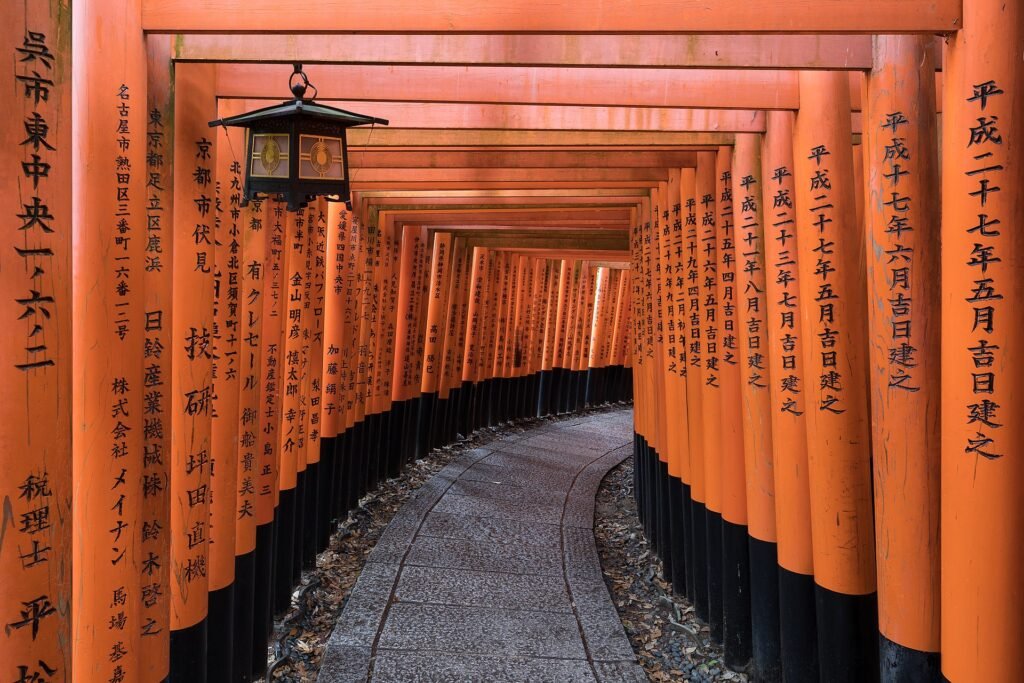
Fushimi Inari at 6:30 in the morning is a mountain shrine with birdsong and empty torii. At eleven o’clock it is a queue on a staircase. Same shrine, same day, completely different memory. Nothing else in this guide matters as much as that sentence.
We have written this the way we would explain it to a friend over coffee: what changed this year, what the numbers actually are, what to skip, and where the guidebooks are quietly out of date.
Verified: August 2026 · Exchange rate: ¥159.21 = 1 USD
Editor’s note
If you remember one thing from this guide, make it this: the one-day bus pass no longer exists. It was withdrawn because the buses were overwhelmed. Kyoto is now a subway-and-walking city with buses as a last resort, and planning around that single change will save you more time than any other decision on this page.
Eight things that changed, and most guides have not caught up
| What | Old | Now | Since |
|---|---|---|---|
| Ginkaku-ji admission | ¥500 | ¥1,000 — doubled, first rise in 32 years | 2026 |
| Lodging tax | ¥200 to ¥1,000 | Up to ¥10,000 per person per night, five bands | 1 Mar 2026 |
| Bus One-Day Pass | ¥700, everyone bought it | Abolished. Sales ended Sep 2023, validity Mar 2024 | 2024 |
| Subway & Bus 2-Day Pass | Existed | Also gone, since Sep 2021 | 2021 |
| Kansai Thru Pass | Covered Kyoto subway, buses, Randen | Renamed Kansai Railway Pass Lite. Covers none of those any more | 1 Apr 2026 |
| Kinkaku-ji | ¥400 | ¥500 | 2023 |
| Taxi flagfall | ¥500 / 1.0 km | ¥470 / 0.9 km, then ¥100 per 271 m | 6 Aug 2025 |
| Tofuku-ji | ¥1,000 combined ticket | Restructured; autumn maple season ¥1,000 for Tsutenkyo alone, no combined ticket | 1 Nov 2026 |
If you have an older guidebook open next to this one, it is telling you to buy a bus pass that no longer exists and a Kansai pass that no longer covers Kyoto. That is not a small thing — those two mistakes together cost a couple around ¥8,000 and a lot of confusion at a ticket machine.
The Kyoto lodging tax, explained properly
This one deserves its own section because it is genuinely large at the top end, and because almost everyone gets the arithmetic wrong.
| Room price, per person, per night | Tax per person per night |
|---|---|
| Under ¥6,000 | ¥200 |
| ¥6,000 to ¥19,999 | ¥400 |
| ¥20,000 to ¥49,999 | ¥1,000 |
| ¥50,000 to ¥99,999 | ¥4,000 |
| ¥100,000 and above | ¥10,000 |
Two mechanics that trip people up:
It is banded on the room-only price, per person. Meals are excluded, so a ryokan charging ¥60,000 per person with kaiseki dinner and breakfast is taxed on the room component, not on ¥60,000. Ask the property which band you fall into if you are near a threshold.
A shared room is divided by headcount. A ¥120,000 room for two people is ¥60,000 each, so ¥4,000 each — ¥8,000 for the night. A ¥200,000 room for two crosses into the top band: ¥10,000 each, ¥20,000 for the night. That is the price of an extra budget hotel night, added to your bill at check-out, and no booking site shows it to you.
At the budget end it is trivial. A hostel bed pays ¥200. Do not let this section frighten you if you are staying in a business hotel.
When to come, and what it costs you
Kyoto is busy essentially year-round now. The honest framing is that availability is no longer the constraint — price is. In April 2026 the city hit a record average room rate of ¥31,296 while occupancy actually *fell*. You will find a room in peak week. You just will not like what it costs.
| Season | What you get | Book ahead |
|---|---|---|
| Cherry blossom, late Mar to ~10 Apr | The postcard. 2026 flowered on 23 March, three days early | 6 months minimum, 10 to 12 preferred |
| Golden Week, 29 Apr to 5 May | Domestic travel peak. Avoid | 8+ months |
| Rainy season, Jun to mid-Jul | Green, humid, quiet, cheap. Moss gardens are at their best | 2 to 3 months |
| Gion Matsuri, July | The biggest festival in Japan. Parades 17 and 24 July | 4 to 6 months |
| August | Hot, 35C, and Gozan Okuribi on the 16th | 2 months |
| Autumn, mid to late Nov | The best two weeks of the Kyoto year | 4 to 6 months |
| Winter, Jan to Feb | Cold, clear, genuinely quiet. The slack period | 2 to 3 weeks |
If someone gave us one week in Kyoto and no constraints, we would take late November. If they gave us a budget instead, we would take early February and wear a coat.
Getting around: buy one pass, ignore the rest
Kyoto’s transport advice has been rewritten twice in three years and most of what is online is wrong. Here is the current state.
| Option | Price | Verdict |
|---|---|---|
| Subway & Bus 1-Day Pass | ¥1,100 adult / ¥550 child | This is the one. All subway, all City Bus, most Kyoto Bus, and it covers the express tourist buses |
| City Bus single ride | ¥230 flat (¥120 child) | Fine if you are only making two or three trips |
| Subway single ride | From ¥220 | IC cards work everywhere, no discount |
| Tourist Express Bus EX100 / EX101 | ¥500 flat | Weekends and public holidays only. Limited stops, much faster to Kiyomizu. Free with the 1-Day Pass |
| Bus One-Day Pass | — | Does not exist. Abolished |
| Subway & Bus 2-Day Pass | — | Does not exist. Abolished |
| Kansai Railway Pass Lite | ¥5,200 / ¥6,500 | Does not cover Kyoto subway, Kyoto buses or the Randen. Only useful for Osaka-Kobe-Nara private rail |
| Taxi | ¥470 first 0.9 km, then ¥100 / 271 m | +20% from 22:00 to 05:00 |
The break-even on the ¥1,100 pass is five bus rides, which a normal Kyoto sightseeing day easily produces. On a day you are mostly walking Higashiyama, skip it and pay cash.
One quirk worth knowing: the EX100 and EX101 express buses are pay-on-boarding at the front door, the opposite of every other Kyoto bus, where you board at the back and pay at the front when you get off. Nobody warns you and it causes a small traffic jam of confused visitors every weekend.
A note on what is coming
Kyoto has approved a resident-priority bus fare from fiscal 2027: roughly ¥200 for residents against ¥350 to ¥400 for everyone else, with residents identified automatically through a linked ID card. It is not in force in 2026, and you should ignore anyone telling you it already is. But if you are planning a 2027 trip, budget for buses costing you about 60 per cent more.
Getting to Kyoto
| From | Option | Fare | Time |
|---|---|---|---|
| Kansai Airport (KIX) | Haruka, reserved | ¥3,640 | 75 to 80 min |
| KIX | Haruka, non-reserved | ¥3,110 | same |
| KIX | Limousine bus | ¥2,800 (¥5,100 return) | 85 to 90 min |
| KIX | Local trains, one change | ¥1,860 | 1 h 48 min |
| Osaka | JR Special Rapid | ¥580 | ~29 min |
| Osaka | Hankyu to Kawaramachi | ¥410 | ~43 min |
| Osaka | Keihan to Gion-Shijo | ¥490 | ~50 min |
| Tokyo | Shinkansen Nozomi | ¥14,170 | 2 h 15 min |
The Hankyu line is the underrated one on the Osaka run. It is ¥170 cheaper than JR and, crucially, it drops you at Kawaramachi in downtown Kyoto rather than at Kyoto Station, which is two kilometres south of anything you came to see. For sightseeing, Hankyu’s 43 minutes usually beats JR’s 29 minutes plus a subway transfer.
If you are arriving from Kansai Airport and the ¥3,640 Haruka makes you wince, the limousine bus at ¥2,800 is comfortable, has luggage space underneath, and takes only ten minutes longer. It is the better choice with a big suitcase.
Where to base yourself
The short version: stay downtown around Kawaramachi and Shijo for a first visit. It is walkable to Gion, on two subway lines, has the food, and you can get home at night without a taxi.
| Area | Suits | Night-time character |
|---|---|---|
| Downtown (Kawaramachi, Pontocho) | First visits, food, walkability | The liveliest part of Kyoto. Also the noisiest |
| Kyoto Station | Day trips, families with luggage, JR Pass holders | Functional, not romantic. You will not stumble into atmosphere |
| Gion / Southern Higashiyama | Second visits, couples, atmosphere over convenience | Extraordinary after 18:00 when the day-trippers leave. Almost nothing open late |
| Northern Higashiyama | Gardens, museums, autumn colour | Near-silent, residential |
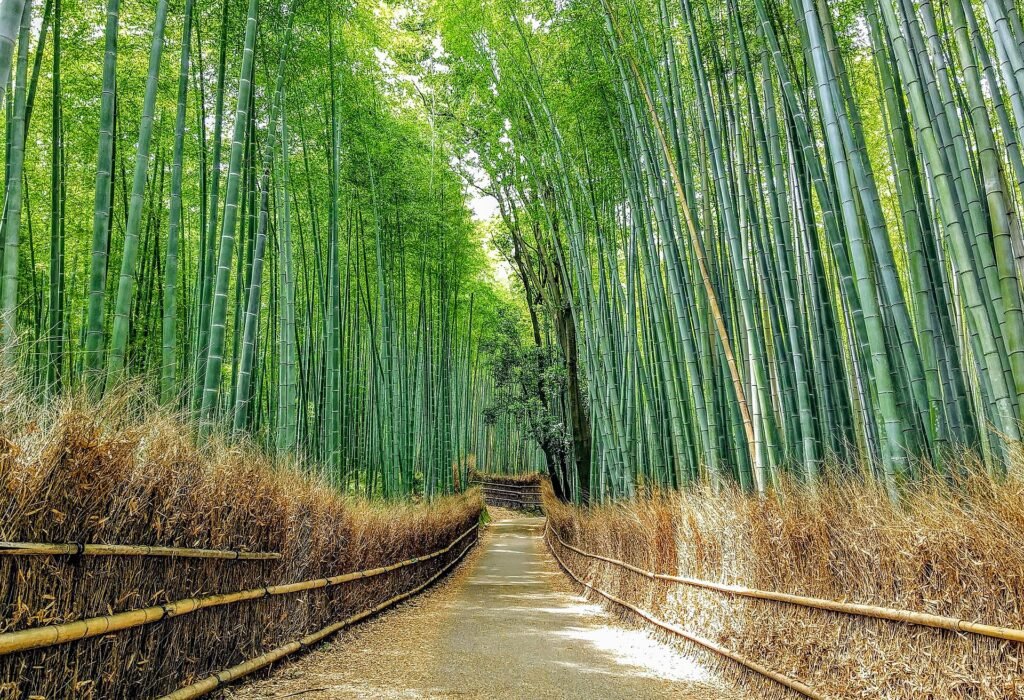
| Arashiyama | Bamboo grove before 8am, a deliberate escape | Shuts down completely |
| Nishijin | Repeat visitors, machiya rentals | Quiet, genuinely local |
Full breakdown with price bands is in our Where to Stay in Kyoto guide.
What things cost to get into
| Site | 2026 price | Note |
|---|---|---|
| Fushimi Inari | Free | Open 24 hours, no gate |
| Kyoto Imperial Palace | Free | No booking. Closed Mondays |
| Arashiyama Bamboo Grove | Free | No gate |
| Kinkaku-ji (Golden Pavilion) | ¥500 | Open daily, no closing days |
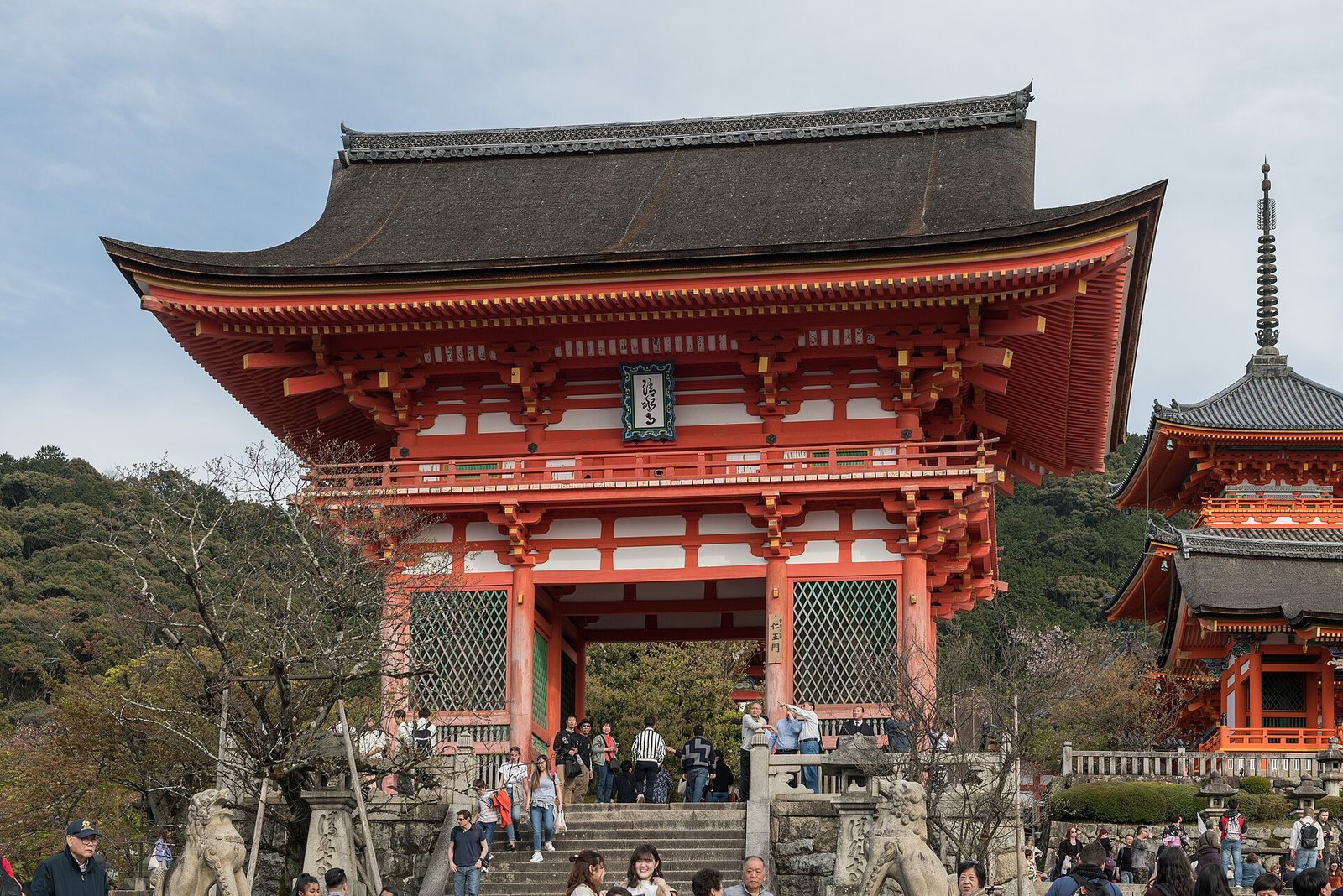
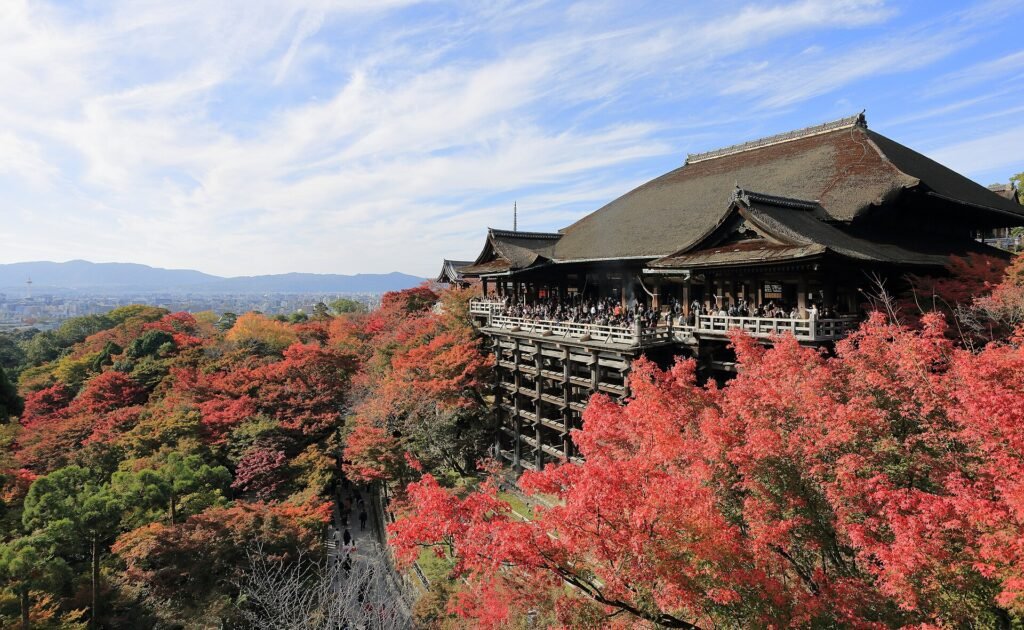
| Kiyomizu-dera | ¥500 | Opens 6:00 — the earliest major site in the city |
| Tenryu-ji | ¥500 garden, +¥300 buildings | Cloud Dragon hall weekends and holidays only |
| Ryoan-ji | ¥600 | |
| Sanjusangendo | ¥600 | 1,001 statues. Genuinely astonishing |
| Nanzen-ji Hojo Garden | ¥600 | Nanzen-in sub-temple closed until spring 2027 |
| Kodai-ji | ¥800 | |
| Kennin-ji | ¥800 | |
| Nijo Castle | ¥800, or ¥1,300 with Ninomaru Palace | Nightingale floors. Various closed days |
| Iwatayama Monkey Park | ¥800 | A real climb. Worth it |
| Ginkaku-ji (Silver Pavilion) | ¥1,000 | Doubled. Your guidebook says ¥500 |
| Katsura Imperial Villa | ¥1,000 | Booking opens 3 months ahead. 70 same-day tickets from 08:40 |
| Eikando | ¥1,000 | The autumn temple |
| Kyoto Railway Museum | ¥1,500 | Closed Wednesdays. Excellent with children |
| Saiho-ji (Moss Temple) | From ¥4,000 | Booking opens 2 months ahead, card only, age 13+ |
The free tier here is unusually strong. Fushimi Inari, the Imperial Palace, the bamboo grove and every shrine approach in the city cost nothing, and two of those are on most people’s top-three list.
The one that catches everyone
Ginkaku-ji doubled to ¥1,000. It is still a lovely garden with a superb moss floor and a view over the city from the top of the path. But at ¥1,000 against Kinkaku-ji’s ¥500, and given Ginkaku-ji is not actually silver and never was, it is now a considered purchase rather than an automatic one. If you are choosing between them on a tight day, Kinkaku-ji photographs better and Ginkaku-ji walks better.
Places guidebooks still send you that are closed
This is the section we wish someone had written for us.
| Still recommended | Reality |
|---|---|
| Jishu Shrine (the “love shrine” inside Kiyomizu-dera) | Closed since August 2022 for restoration. Still in nearly every guidebook |
| Nanzen-in (the aqueduct garden sub-temple) | Closed until spring 2027, roof replacement |
| Koto-in at Daitoku-ji (that famous maple approach) | Closed, no reopening date announced |
| Arashiyama Hanatoro winter illumination | Discontinued after 2021. Higashiyama Hanatoro ended in 2022 |
| Enryaku-ji Konpon Chudo interior | Viewing suspended January 2026 to January 2028 |
| Zuishin-in inner quarters | Closed to March 2027 |
| Kyoto Costume Museum | Closed to autumn 2028, relocating |
Good news to balance it: Kiyomizu-dera’s enormous multi-year restoration is finished. The famous stage is fully open, scaffolding gone.
The Gion photography rule, correctly explained
You have probably read that Kyoto fines tourists ¥10,000 for photographing geisha. That is roughly half right, and the half that is wrong matters.
- The ¥10,000 penalty is set by a residents’ association — the Gion Machi Minami-gawa District Council — not by the city. It is a private rule on private land.
- It applies to the narrow private alleys branching off Hanamikoji, where entry and photography have both been banned since April 2024.
- Hanamikoji itself is a public road and is not covered. You may walk it and photograph the street.
- What actually gets people in trouble is chasing maiko down side lanes for a photo. Do not do that, and the rule will never come up.
The underlying point is simpler than the rule: Gion is somewhere people live and work. Photograph the buildings, not the humans.
Etiquette that matters here specifically
Kyoto has its own layer on top of general Japanese etiquette.
- Do not eat while walking in Nishiki Market. The merchants’ association asks you to eat at the shopfront where you bought it. There is no fine — it is simply what everyone does.
- Temples are working religious sites. Ask before photographing inside halls; look for the crossed-camera sign.
- Tripods are banned in most Kyoto gardens without a permit, including Rikugien-style evening illuminations.
- Gion enforces quiet hours from 22:00. If you are staying in a machiya there, sound carries to your neighbours through timber walls.
- Shoes off at every temple building with a step up and a rack.
Frequently asked questions
How many days do you need in Kyoto? Three full days is the minimum to see the main sites without sprinting. Four or five lets you add Arashiyama properly, a day trip to Nara or Uji, and an evening in Gion. Two days is possible but you will spend it on buses.
Is Kyoto expensive? It is now the most expensive city in Japan for accommodation — above Tokyo — and rising fastest. Food, transport and temple entries are all cheap. It is specifically the bed that costs you, plus a lodging tax of up to ¥10,000 per person per night at the luxury end.
Which pass should I buy in Kyoto? The Subway & Bus 1-Day Pass at ¥1,100, on days you will make five or more journeys. Do not buy the Kansai Railway Pass Lite expecting it to cover Kyoto transport — since 1 April 2026 it covers neither the subway nor the buses nor the Randen.
What is the best time to visit Fushimi Inari? Before 8:00, or after 16:00. Past the Yotsutsuji junction the crowd thins dramatically at any hour, because most visitors turn back there. The full loop takes about two hours.
Can I stay in Osaka and day-trip to Kyoto? Yes, and it saves real money — Osaka rooms run 30 to 40 per cent cheaper. But you lose the early morning and the late evening, which are the two hours Kyoto is actually magical. For a trip of three nights or fewer, stay in Kyoto. For a week, split your nights between both.
Is the Gion ¥10,000 fine real? It is a private penalty imposed by a residents’ association on private alleys, not a municipal fine, and it does not apply to Hanamikoji itself. Behave decently and it is irrelevant.
Do I need to book temples in advance? Only four: Katsura Imperial Villa (3 months), Sento and Shugakuin Imperial Villas (same system), and Saiho-ji the moss temple (2 months, card only). Everything else you simply turn up to.
When is the cheapest time to visit Kyoto? January and February excluding New Year, then June’s rainy season. Winter Kyoto is cold, clear and genuinely quiet, and the temples look extraordinary with frost on the moss.
A note on our numbers
Every price here was checked against temple, city and operator sources in August 2026, with the date of each change noted. Kyoto revises fees and taxes on fixed calendar dates, so anything dated later in 2026 or 2027 is announced but not yet in force. If you find something that has moved, tell us and we will correct it.
Keep reading: Best Things to Do in Kyoto · The Perfect 3-Day Kyoto Itinerary · Where to Stay in Kyoto · How Much Does a Trip to Kyoto Cost? · Japan Travel Guide 2026
Where to book the things in this guide
These are the operators we would use. Identical price through our links or direct — if you use ours we earn a small commission, which is what funds the research.
| What you are booking | Where | Why |
|---|---|---|
| Temple and museum tickets | Tiqets | Useful for the handful of Kyoto sites that sell timed tickets. Most temples you simply pay at the gate |
| Day trips and guided walks | Klook | Strongest Japan inventory, and the Nara and Arashiyama day trips are usually cheapest here |
| Food tours, tea ceremony, kimono | KKday | Better than the big platforms for tea ceremony and craft workshops |
| Airport transfer from Kansai | Kiwitaxi | Fixed price, meets you at arrivals. Code TPO5 = 5% off to 31 Dec 2026 |
| eSIM | Yesim | Set up before you fly |
Where we would not spend the money. The Haruka train from Kansai Airport is ¥3,640 reserved and takes 75 minutes — a private car is worse value unless you are four people with luggage. And almost every temple in this guide is a walk-up: Kinkaku-ji, Fushimi Inari, Ryoan-ji, Kiyomizu-dera and Nijo Castle all sell tickets at the gate for ¥500 to ¥1,300. Do not let anyone sell you a “skip the line” ticket for a queue that does not exist.
The two that genuinely need booking — Katsura Imperial Villa and Saiho-ji moss temple — are booked directly with the Imperial Household Agency and the temple, not through any platform, and we earn nothing from either.
Save this for later