
In short
Three days in Kyoto costs about ¥30,100 budget, ¥85,500 mid-range and ¥228,000 comfortable per person. The line that moves most is accommodation (¥13,500 to ¥150,000 for three nights) and, new for 2026, the lodging tax — ¥600 at the bottom but ¥12,000 at the top, because the March 2026 bands run to ¥10,000 per person per night.
Costs built from published 2026 rates, August 2026.
Disclosure: some links in this guide are affiliate links. If you book through one, we earn a small commission and you pay exactly the same price. We only link to services we would use ourselves, no brand pays for placement or for a favourable write-up, and every price in this article was researched independently.
Three days is enough for Kyoto if you accept one rule: you get up early. Not “reasonably early” — properly early, at least twice. Kyoto rewards the 6:30 start more than any city we know, and every hour you sleep past seven costs you about forty minutes of queue.
What is in this guide
- What these three days cost
- Before you start: buy the right pass
- Day 1 — Southern Higashiyama, starting in the dark
- Day 2 — Fushimi Inari at dawn, then Arashiyama
- Day 3 — Zen gardens, the castle, and a slow afternoon
- If you have a fourth day
- Adjusting this plan
- Two things to get right before you arrive
- Frequently asked questions
- A note on our numbers
- Where to eat across these three days
- What to pack for Kyoto specifically
- Things that will slow you down
- What to lock in before this itinerary works
This plan is built around that. Two dawn starts, one lie-in, and a deliberate afternoon of doing very little.
Verified: August 2026 · Exchange rate: ¥159.21 = 1 USD
Editor’s note
Three days is enough for Kyoto only if you stop crossing the city. The most common mistake in Kyoto itineraries is a morning in Arashiyama and an afternoon in Higashiyama, which is roughly fifty minutes of travel between them, twice. This plan groups by district for that reason alone, and it is the change that turns a rushed trip into a comfortable one.
What these three days cost
| Line | Budget | Mid-range | Comfortable |
|---|---|---|---|
| Accommodation, 3 nights | ¥13,500 | ¥54,000 | ¥150,000 |
| Lodging tax | ¥600 | ¥1,200 | ¥12,000 |
| Local transport | ¥2,500 | ¥3,300 | ¥9,000 |
| Food | ¥9,000 | ¥19,500 | ¥45,000 |
| Entries | ¥4,500 | ¥7,500 | ¥12,000 |
| Total, per person | ≈ ¥30,100 ($189) | ≈ ¥85,500 ($537) | ≈ ¥228,000 ($1,432) |
Note the lodging tax line jumping from ¥1,200 to ¥12,000. That is Kyoto’s new five-band tax, which reaches ¥10,000 per person per night above ¥100,000 a night. Full arithmetic in How Much Does a Trip to Kyoto Cost?.
Before you start: buy the right pass
| Pass | Price | Buy it? |
|---|---|---|
| Subway & Bus 1-Day Pass | ¥1,100 | Yes, for days 1 and 3. Break-even is five rides |
| Day 2 | Pay cash | Day 2 is mostly walking and one train |
| Kansai Railway Pass Lite | ¥5,200 | No. Since 1 April 2026 it covers neither Kyoto’s subway nor its buses |
| Bus One-Day Pass | — | Does not exist. Abolished in 2024 |
If you are here on a Saturday or Sunday, the EX100 express bus (¥500, or free with the 1-Day Pass) runs Kyoto Station to Kiyomizu, Gion and Ginkaku-ji with limited stops. It is significantly faster than the standard routes. Board at the front and pay on boarding — the opposite of every other Kyoto bus.
Day 1 — Southern Higashiyama, starting in the dark
The single most important morning of your trip.
| Time | Where | Cost |
|---|---|---|
| 06:00 | Kiyomizu-dera — it opens at six, the only major site that does | ¥500 |
| 07:15 | Sannenzaka and Ninenzaka as the shopkeepers open up | Free |
| 08:30 | Breakfast, Higashiyama | ¥800 |
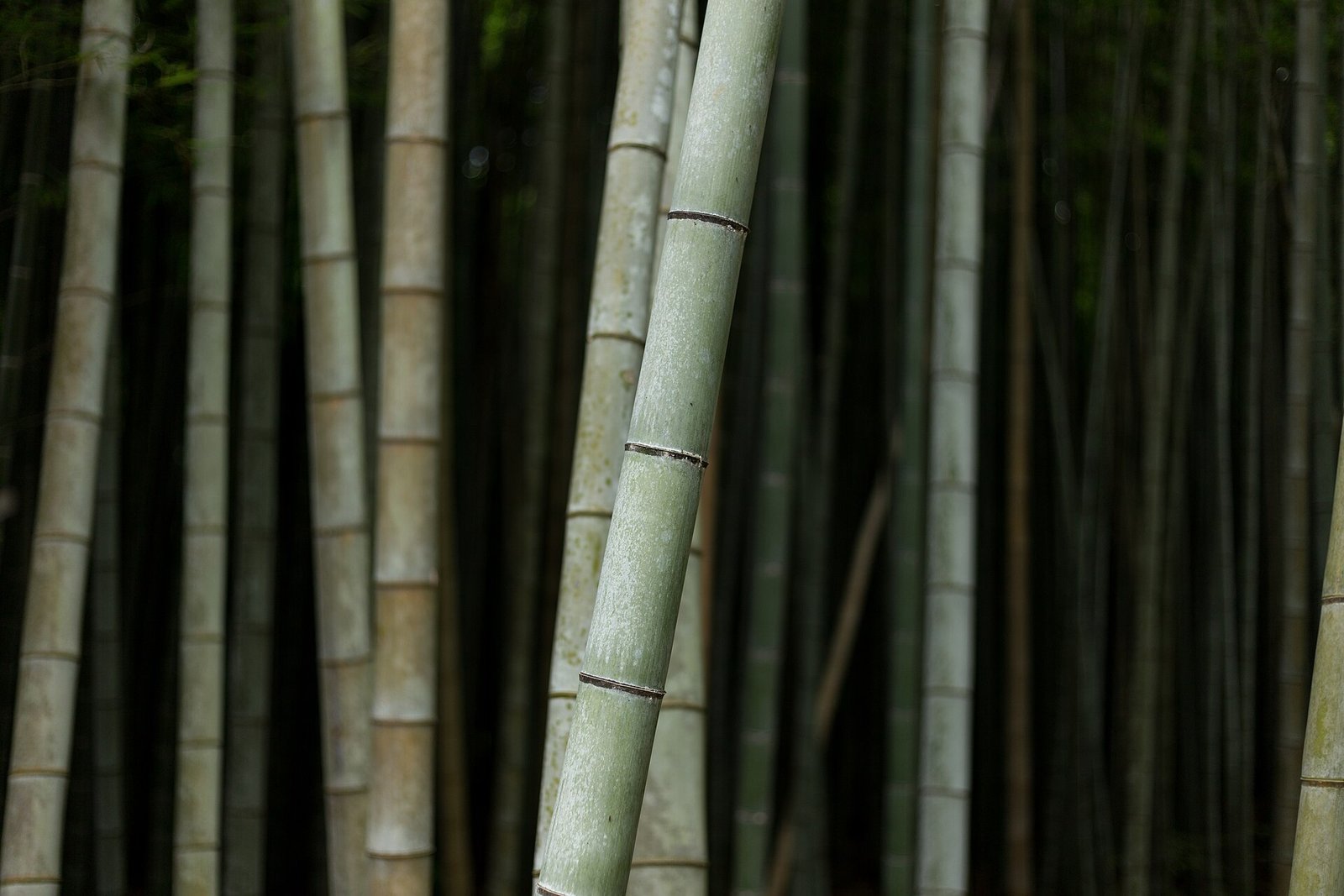
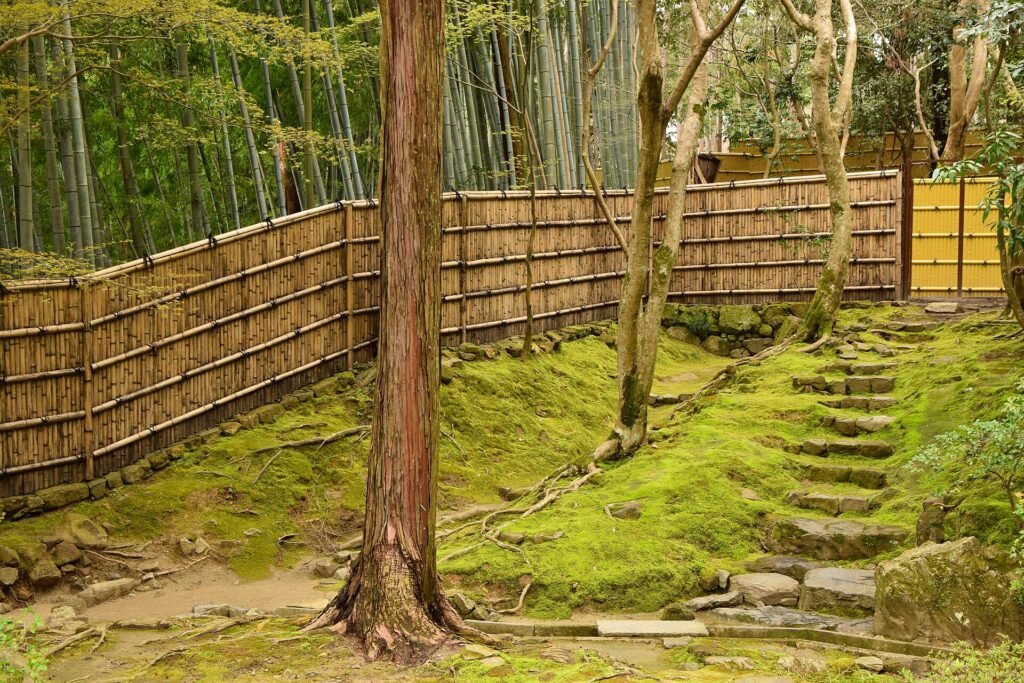
| 09:30 | Kodai-ji — bamboo, tea houses, and almost nobody at this hour | ¥800 |
| 11:00 | Yasaka Shrine and Maruyama Park | Free |
| 12:00 | Lunch, Gion | ¥1,500 |
| 13:30 | Kennin-ji — Kyoto’s oldest Zen temple, twin dragons on the ceiling | ¥800 |
| 15:00 | Nishiki Market — go now, not at noon | ¥1,000 in snacks |
| 17:00 | Rest at the hotel. Genuinely. You started at six | |
| 19:00 | Pontocho for dinner, then the Shirakawa canal after dark | ¥4,000 |
Day total, excluding accommodation: ¥9,400 plus ¥1,100 for the pass.
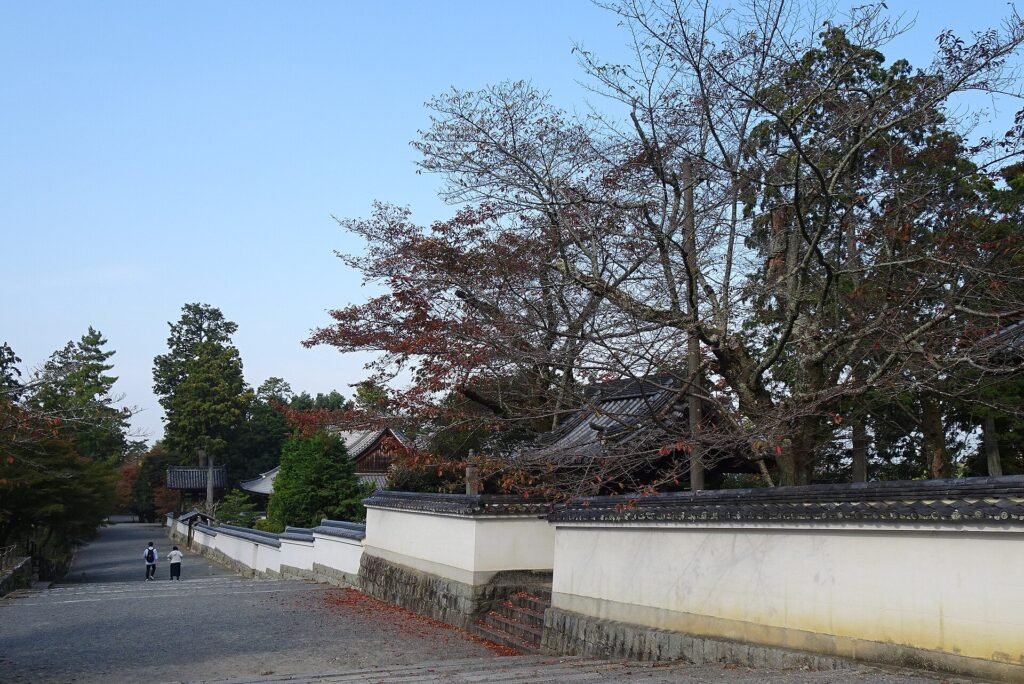
Why 6:00 matters: Kiyomizu-dera’s approach streets at seven in the morning are stone lanes with mist and a shopkeeper sweeping. At eleven they are shoulder to shoulder. Same street, four hours apart.
One correction to your guidebook: Jishu Shrine, the love shrine inside the Kiyomizu complex with the two stones, has been closed since August 2022. Do not go looking for it.
Evening note: Gion’s private alleys off Hanamikoji ban both entry and photography, enforced by a residents’ association with a ¥10,000 penalty. Hanamikoji itself is a public street and is fine. Walk it, photograph the lanterns, leave the people alone.
Day 2 — Fushimi Inari at dawn, then Arashiyama
The other early start. After this one you can sleep.
| Time | Where | Cost |
|---|---|---|
| 06:30 | Fushimi Inari — the full loop, not just the first gates | Free |
| 06:30–08:30 | Climb past the Yotsutsuji junction where 90% of visitors turn back | — |
| 09:00 | Train back, breakfast near Kyoto Station | ¥800 |
| 10:30 | JR Sagano Line to Saga-Arashiyama, 15 min | ¥240 |
| 11:00 | Tenryu-ji garden, then out through the north gate into the bamboo | ¥500 |
| 12:30 | Lunch, Arashiyama — yudofu or soba | ¥1,800 |
| 14:00 | Iwatayama Monkey Park — a real 20-minute climb, the best free-ish view in Kyoto | ¥800 |
| 16:00 | Togetsukyo bridge and the riverbank | Free |
| 17:30 | Back to town | ¥240 |
| 19:00 | Dinner downtown | ¥3,500 |
Day total: ¥7,900.
The two tricks on this day. First, at Fushimi Inari, keep climbing past Yotsutsuji — the crowd evaporates and the upper shrines are the atmospheric part. Second, at Arashiyama, enter the bamboo grove through Tenryu-ji’s north exit rather than the main entrance. It skips the bottleneck completely.
Do not plan around the Arashiyama Hanatoro illumination. It was discontinued after 2021 and still appears on travel sites.
Day 3 — Zen gardens, the castle, and a slow afternoon
You have earned a normal breakfast.
| Time | Where | Cost |
|---|---|---|
| 08:30 | Breakfast properly | ¥900 |
| 09:30 | Kinkaku-ji — arrive at opening, it is a one-way loop and takes 45 min | ¥500 |
| 11:00 | Ryoan-ji — the rock garden. Sit down. Do not rush this one | ¥600 |
| 12:30 | Lunch near Daitoku-ji | ¥1,500 |
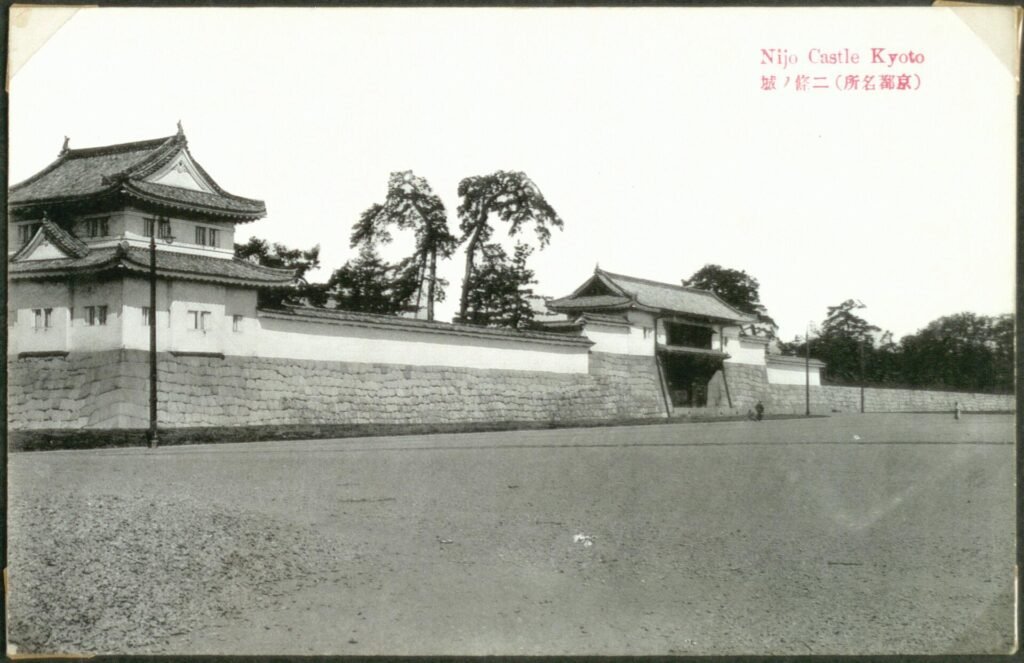
| 14:00 | Nijo Castle with the Ninomaru Palace and its nightingale floors | ¥1,300 |
| 16:00 | Sanjusangendo — 1,001 statues, no photography, and almost no crowd | ¥600 |
| 17:30 | Kamo riverbank walk back into town | Free |
| 19:00 | Last dinner. Book something | ¥5,000 |
Day total: ¥10,400 plus ¥1,100 for the pass.
Sanjusangendo is the sleeper. A 120-metre hall of a thousand and one gilded Kannon statues, plus 28 guardian figures carved eight centuries ago. Photography is banned, which is exactly why it stays quiet and exactly why you will remember it. Most three-day itineraries leave it out. Ours puts it last on purpose — it is the right note to end on.
At Nijo Castle, pay the ¥1,300. The ¥800 grounds-only ticket gets you a moat and a garden. The palace interior with the painted screens and the floors that chirp under your feet is the entire reason to come.
If you have a fourth day
| Option | Cost | Time |
|---|---|---|
| Nara — Todaiji’s Great Buddha and the deer | ¥720 return + ¥800 entry | 45 min each way |
| Uji — green tea, Byodoin, quiet riverside | ¥240 each way | 20 min |
| Osaka — food, Dotonbori, a completely different city | ¥410 Hankyu each way | 43 min |
| Kurama and Kibune — mountain shrine, river dining in summer | ¥900 return | 30 min |
| Katsura Imperial Villa | ¥1,000, book 3 months ahead | Half day |
| Saiho-ji moss temple | From ¥4,000, book 2 months ahead | Half day |
Nara is the obvious fourth day and it deserves a full one, not a rushed half. Uji is the quiet choice and better if you have already done Nara.
Adjusting this plan
| If | Change |
|---|---|
| Cherry blossom, late Mar to early Apr | Add Maruyama Park in the evening and the Philosopher’s Path on day 3. Book accommodation 6 months ahead |
| Autumn, mid to late Nov | Swap Kodai-ji’s daytime visit for its evening illumination. Add Eikando (¥1,000) or Tofuku-ji. Book 4 to 6 months ahead |
| Gion Matsuri, mid-July | Parades are 17 July at 09:00 and 24 July at 09:30. Grandstand seats ¥6,000 to ¥8,000, on sale from 1 June |
| Rainy season, June | Move Sanjusangendo and Nijo Castle earlier. Moss gardens are at their best now, and Saiho-ji is worth the ¥4,000 in the wet |
| August | Start at 06:00 both days, break indoors 13:00 to 16:00. Gozan Okuribi on the 16th, from 20:00 |
| Winter, Jan to Feb | Nothing changes except the price, which halves, and the crowds, which vanish. Kyoto in frost is underrated |
| Travelling with children | Swap Ryoan-ji for the Kyoto Railway Museum (¥1,500, closed Wednesdays) and the monkey park stays |
Two things to get right before you arrive
Book accommodation early and check the tax band. Kyoto is now the most expensive city in Japan for a bed. The lodging tax is charged per person per night at check-out, is not shown on booking sites, and runs from ¥200 up to ¥10,000 depending on your room rate.
Forward your luggage. Takkyubin from your last hotel to your Kyoto hotel costs ¥2,000 to ¥2,500 and arrives the next day. Kyoto’s buses are crowded and its machiya have staircases like ladders. This is the best-value ¥2,000 of the trip.
Frequently asked questions
Is 3 days enough for Kyoto? Yes, for the main sites, if you start early at least twice. Four days lets you add Nara or Uji without cutting anything. Two days means you will spend a large fraction of it on buses.
How much does 3 days in Kyoto cost? About ¥30,100 ($189) on a hostel budget, ¥85,500 ($537) mid-range, ¥228,000 ($1,432) comfortable, per person, including accommodation and the lodging tax.
What order should I do Kyoto in? Group geographically, not by fame. Southern Higashiyama one day, Fushimi Inari plus Arashiyama the next, the northwest and the castle on the third. Crossing the city twice in a day is how people lose an afternoon.
Do I need a bus pass in Kyoto? The Subway & Bus 1-Day Pass at ¥1,100 pays off at five rides, which days 1 and 3 above will produce. Day 2 is mostly trains and walking, so pay cash. The old Bus One-Day Pass no longer exists.
What time should I get to Fushimi Inari? 6:30. It is free, ungated and open all night, so there is nothing stopping you. By 11:00 the lower torii tunnel is a queue.
Kyoto or Osaka as a base? Kyoto, for a trip of three nights or fewer. Osaka rooms are 30 to 40 per cent cheaper and it is 29 minutes away by JR, but day-tripping means arriving at 10:00 into peak crowds and leaving at 18:00 just as Kyoto becomes beautiful. For a week, split your nights.
Is Nara worth a day trip from Kyoto? Yes, a full one. Todaiji’s Great Buddha hall is the largest wooden building of its kind and the deer in the park are genuinely free-roaming. 45 minutes each way, ¥720 return on the JR Miyakoji Rapid.
What should I book in advance? Accommodation, months ahead. Katsura Imperial Villa (3 months) and Saiho-ji (2 months) if you want them. A good dinner for your last night. Nothing else in this plan needs a reservation.
A note on our numbers
Fares, entries, opening hours and the lodging-tax bands were verified against temple, city and operator sources in August 2026. Where a site is closed for restoration we have said so rather than letting you find the gate shut. Kyoto changes its fees on fixed dates — if something has moved, tell us and we will fix it.
Keep reading: Kyoto Travel Guide 2026 · Best Things to Do in Kyoto · Where to Stay in Kyoto · How Much Does a Trip to Kyoto Cost? · 7-Day Japan Itinerary
Where to eat across these three days
Kyoto’s food is quieter than Osaka’s and more expensive than Tokyo’s, and it has one speciality worth planning around: kaiseki, the multi-course seasonal meal that Kyoto invented.
| Meal | What | Cost |
|---|---|---|
| Breakfast | Convenience store, or a hotel set | ¥400–900 |
| Yudofu | Simmered tofu, temple cuisine, Nanzen-ji and Arashiyama | ¥2,000–4,000 |
| Nishiki Market grazing | Pickles, tamagoyaki, grilled scallops, yuba | ¥1,000–1,800 |
| Obanzai izakaya dinner | Kyoto home-style small plates | ¥3,500–5,000 |
| Kaiseki lunch | The same kitchen as dinner, a third of the price | ¥7,000–9,000 |
| Kaiseki dinner | ¥15,000–40,000 | |
| Temple matcha and a sweet | Daisen-in at Daitoku-ji charges ¥400 | ¥400–800 |
| Formal tea ceremony, group | English-guided, ~45 min | ¥4,000–5,000 |
The one piece of food advice that saves real money: if you want one exceptional Kyoto meal, book it at lunch. High-end restaurants serve the same kitchen’s cooking at midday for roughly a third of the dinner price. A ¥25,000 kaiseki dinner has a ¥7,000 to ¥9,000 lunch equivalent, and you get your evening back — which in Kyoto, where the lanes after dark are the best part, matters.
What to pack for Kyoto specifically
- Shoes you can slip off without sitting down. You will do this at every temple building, several times a day.
- Socks without holes. Not a joke. Everyone sees them.
- A layer more than you think in November, when the mornings are close to freezing and the afternoons are mild.
- An umbrella in June, and shoes you do not mind getting wet — Kyoto’s rainy season is the moss gardens at their best.
- A small bag for rubbish. Public bins are rare, as everywhere in Japan.
- Cash, ¥15,000 to ¥20,000. Temple entry booths, small noodle shops and buses do not take cards.
Things that will slow you down
| Trap | Cost to you |
|---|---|
| Crossing the city twice in one day | An hour on a bus, easily |
| Kyoto buses in November | Slower than walking on some routes |
| Arriving at Fushimi Inari at 11:00 | The entire experience |
| Assuming your rail pass covers Kyoto transport | ¥5,200 wasted on the Kansai Railway Pass Lite |
| Bringing a large suitcase to a machiya | The staircases are near-vertical |
| Not booking Katsura or Saiho-ji early | They are the two you cannot walk into |
What to lock in before this itinerary works
Three days in Kyoto is tight enough that one missed booking costs you a morning. Only three items on this plan have a fixed time or a hard cap.
Day 2’s tea ceremony or cooking class. Whichever you pick, it seats twelve and runs once or twice a day. In April and November it is gone a week out. Kyoto experiences on KKday and the same on Klook list the same operators at prices that differ by about 10-15 percent in either direction.
The Nara day trip, if you extend to four days. The deer park needs nothing, but Todai-ji guided access and the Kasuga lantern evenings do.
Your arrival, only if you land after 22:00. The Haruka from Kansai costs 3,600 yen and gets you to Kyoto Station in 80 minutes. Take it. After the last one leaves, a booked transfer stops the first night from starting with a taxi negotiation. Landing before 21:00 and booking a car anyway means paying several times the train fare for a slower journey through Osaka traffic.
Everything else on these three days is walk-up: every temple, every shrine, Nishiki Market, the bamboo path, Pontocho in the evening. Do not let a booking site convince you otherwise.
An eSIM is the one small purchase that pays for itself on a three-day trip, because the bus system is where most first-timers lose twenty minutes at a time.