
In short
Seven days in Japan costs roughly ¥87,000 on a budget, ¥177,500 mid-range and ¥348,000 comfortable per person, excluding international flights. The biggest single line is accommodation (¥24,000 / ¥84,000 / ¥210,000 for six nights); intercity rail is close to fixed at ¥33,000–38,000 whichever way you travel, which is why a rail pass rarely pays on this route.
Costs built from published 2026 fares and rates, August 2026.
Seven days in Japan is enough for three cities done properly, or five cities done badly. This plan takes the first approach: Tokyo, Hakone, Kyoto, Nara and Osaka, with real transport costs, real opening times, and the arithmetic on whether to buy a rail pass.
Every fare and admission price below was checked in August 2026.
What is in this guide
- What this week costs
- Should you buy the JR Pass for this trip?
- Day 1: Tokyo, west side
- Day 2: Tokyo, east side
- Day 3: Hakone, and forward your luggage
- Day 4: Hakone to Kyoto
- Day 5: Kyoto, the early start day
- Day 6: Nara, then Osaka
- Day 7: Osaka, then back to Tokyo or fly home
- Variations that work
- What to avoid
- Frequently asked questions
- A note on our numbers
- Booking this trip: what to reserve and when
- Adapting this itinerary to the seasons
- Where to stay in each city, and what it costs
- A worked budget for this exact week
- Kansai: Kyoto and Osaka
Verified: 18 August 2026 · Exchange rate: ¥159.21 = 1 USD
Editor’s note
One week in Japan means two cities, not four. Every seven-day plan that promises Tokyo, Kyoto, Osaka and Hiroshima is really a plan about trains, and you will remember the trains more clearly than the cities.
What this week costs
| Line | Budget | Mid-range | Comfortable |
|---|---|---|---|
| Accommodation, 6 nights | ¥24,000 | ¥84,000 | ¥210,000 |
| Intercity rail, point to point | ¥33,000 | ¥33,000 | ¥38,000 |
| Local transport | ¥5,500 | ¥8,000 | ¥16,000 |
| Food | ¥17,500 | ¥38,500 | ¥84,000 |
| Sights and entries | ¥7,000 | ¥14,000 | ¥22,000 |
| Week total, per person | ≈ ¥87,000 ($546) | ≈ ¥177,500 ($1,115) | ≈ ¥370,000 ($2,324) |
International flights and the ¥3,000 departure tax, which tripled on 1 July 2026, are extra.
Should you buy the JR Pass for this trip?
No. Here is the arithmetic for exactly this itinerary.
| Leg | Reserved fare |
|---|---|
| Tokyo to Odawara (Hakone) | ¥3,740 |
| Odawara to Kyoto | ¥11,090 |
| Kyoto to Nara, return | ¥1,480 |
| Kyoto to Osaka | ¥1,450 |
| Osaka to Tokyo | ¥14,720 |
| Total | ≈ ¥32,500 |
| 7-day JR Pass | ¥50,000 (¥53,000 from 1 Oct 2026) |
| You save by not buying it | ¥17,500 to ¥20,500 ($110 to $129) |
The pass also excludes Nozomi and Mizuho, the fastest Shinkansen, so pass holders lose 20 to 40 minutes on the Tokyo to Osaka run. It becomes worthwhile on 14-day trips, or if you add Hiroshima and Kyushu.
The one regional pass worth considering is the Hakone Free Pass (¥6,100 from Shinjuku, ¥5,000 from Odawara), which covers the entire Hakone loop: mountain railway, cable car, ropeway, pirate ship and buses. That one does pay for itself in a single day.
Full cost detail, including alternative routes, in How Much Does a Trip to Japan Cost?.
Day 1: Tokyo, west side
Base: Shinjuku or Shibuya. Options and prices by district in Where to Stay in Tokyo.
| Time | Where | Cost |
|---|---|---|
| 09:00 | Meiji Jingu, forest approach before the crowds | Free (inner garden ¥500) |
| 10:30 | Takeshita Street, Harajuku | Free |
| 12:00 | Lunch, Omotesando | ¥1,200 |
| 13:30 | Shibuya crossing and Center Gai | Free |
| 15:00 | Shimokitazawa, second-hand shops and coffee | ¥1,000 |
| 17:30 | Shibuya Sky, sunset slot | ¥2,500, book days ahead |
| 19:30 | Omoide Yokocho, Shinjuku, yakitori | ¥3,000 |
Day total, excluding hotel: ¥7,700
The free alternative to Shibuya Sky is the Metropolitan Government Building’s 202-metre observatories, open until 22:00 and costing nothing.
Day 2: Tokyo, east side
| Time | Where | Cost |
|---|---|---|
| 07:00 | Sensoji temple, Asakusa, before the crowds | Free |
| 09:00 | Nakamise Street as shutters open | ¥500 snacks |
| 10:30 | Sumida riverside walk, Skytree from below | Free |
| 12:00 | Ueno, lunch at Ameyoko market | ¥1,200 |
| 13:30 | Tokyo National Museum | ¥1,000 |
| 15:30 | Yanaka, low-rise old Tokyo, cats, Yanaka Ginza | Free |
| 17:30 | Akihabara, second-hand cameras and retro games | Free to browse |
| 19:00 | Izakaya dinner | ¥3,500 |
Day total: ¥7,700
Day 3: Hakone, and forward your luggage
Before you leave: hand your suitcase to the hotel desk before 10am for takkyubin forwarding to Kyoto. ¥2,000 to ¥2,500, arrives tomorrow. Travel today with a daypack. This is the best-value decision of the week.
| Time | Where | Cost |
|---|---|---|
| 08:00 | Shinjuku to Hakone-Yumoto, Odakyu Romancecar | Included in Hakone Free Pass + ¥1,200 seat fee |
| 10:00 | Hakone Tozan mountain railway, switchbacks | Free pass |
| 11:00 | Hakone Open Air Museum | ¥1,600 |
| 13:00 | Owakudani volcanic valley, black eggs | ¥500 |
| 14:30 | Ropeway down to Lake Ashi | Free pass |
| 15:30 | Pirate ship across the lake, Hakone Shrine torii | Free pass |
| 17:00 | Onsen, then dinner at your ryokan | ¥15,000 to ¥30,000 with dinner |
Hakone Free Pass: ¥6,100 from Shinjuku, 2 days. It covers eight modes of transport around the loop and pays for itself before lunch.
Onsen etiquette reminder: wash thoroughly at the stool first, rinse completely, then enter the bath. Tattoos are still an issue at some traditional baths; book a private family bath if this affects you.
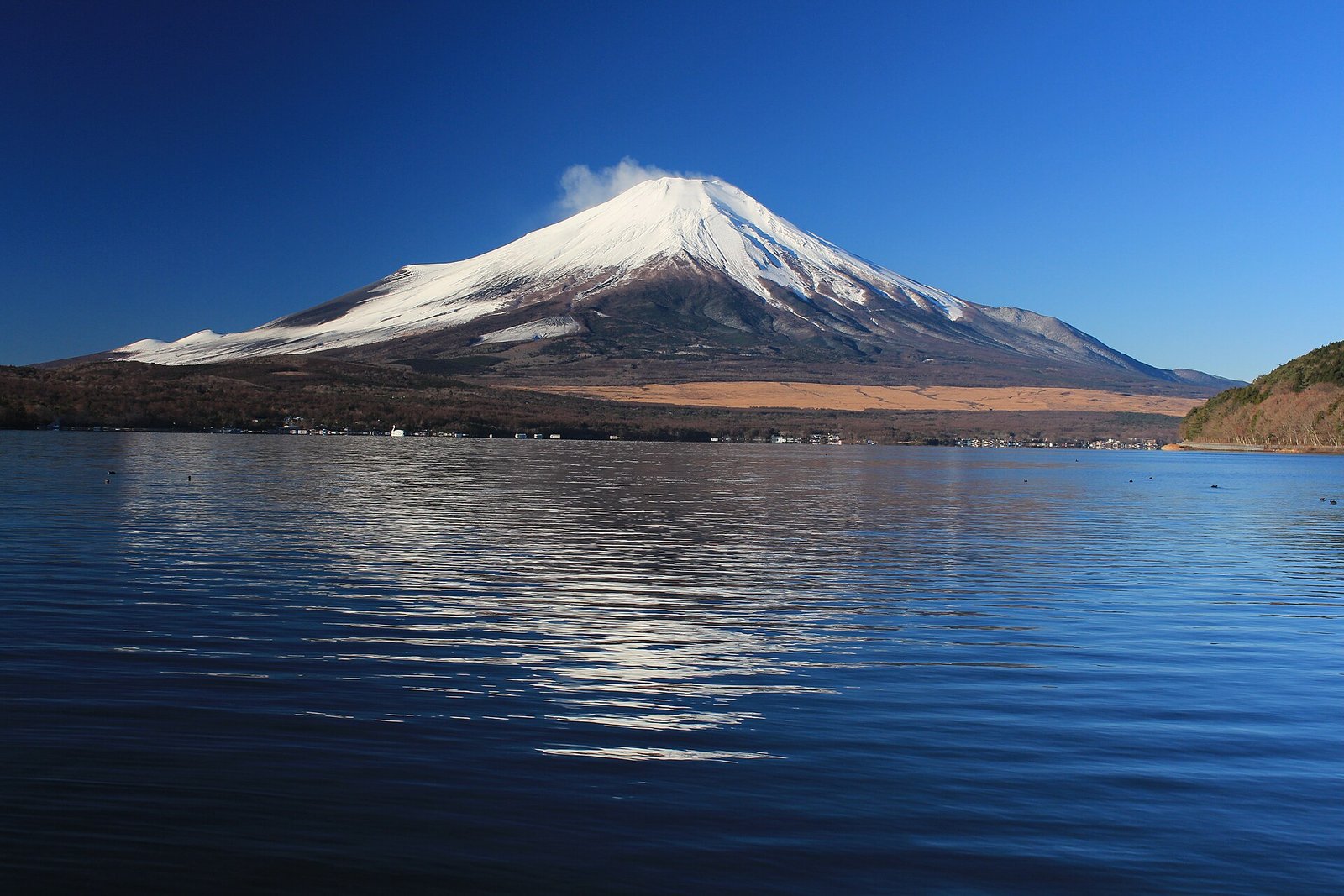
Fuji visibility: best from November to February on clear mornings. In summer expect haze. Do not plan the day around it.
Alternative if you would rather not do onsen: stay a third night in Tokyo and day-trip to Nikko instead, covered by the Tokyo Wide Pass.
Day 4: Hakone to Kyoto
| Time | Where | Cost |
|---|---|---|
| 08:00 | Ryokan breakfast, morning bath | Included |
| 10:00 | Odawara to Kyoto, Hikari Shinkansen | ¥11,090 |
| 12:20 | Arrive Kyoto, drop bags, lunch at Nishiki Market | ¥1,500 |
| 14:00 | Nijo Castle, nightingale floors | ¥1,300 |
| 16:00 | Gion, Hanamikoji and Shirakawa canal | Free |
| 18:00 | Pontocho alley, dinner | ¥4,000 |
Note on Kyoto: the lodging tax rose on 1 March 2026 to a five-band structure reaching ¥10,000 per person per night at the top end. Booking sites do not include it. Kyoto is now the most expensive city in Japan for a bed, more so than Tokyo.
Gion etiquette: photography is banned on the private lanes off Hanamikoji, with a ¥10,000 fine. Do not chase geiko or maiko for photographs.
Day 5: Kyoto, the early start day
Kyoto rewards early mornings more than any city in Japan. This day is built around beating the crowds, and it only works if you actually get up.
| Time | Where | Cost |
|---|---|---|
| 06:30 | Fushimi Inari, the full torii climb | Free |
| 09:00 | Tofukuji, or breakfast back in town | ¥600 |
| 10:30 | Kiyomizu-dera and the Sannenzaka slopes | ¥500 |
| 13:00 | Lunch, Higashiyama | ¥1,500 |
| 14:30 | Ginkakuji and the Philosopher’s Path | ¥500 |
| 16:30 | Kinkakuji, the golden pavilion, late light | ¥500 |
| 19:00 | Dinner, Kyoto obanzai | ¥4,000 |
Day total: ¥7,600
Fushimi Inari at 06:30 is a mountain shrine. At 10:00 it is a queue on a staircase. This is not an exaggeration and it is the single most useful sentence in this itinerary.
Day 6: Nara, then Osaka
| Time | Where | Cost |
|---|---|---|
| 07:30 | Kyoto to Nara, JR Miyakoji rapid, 45 min | ¥740 |
| 08:30 | Todaiji and the Great Buddha, before the tour buses | ¥800 |
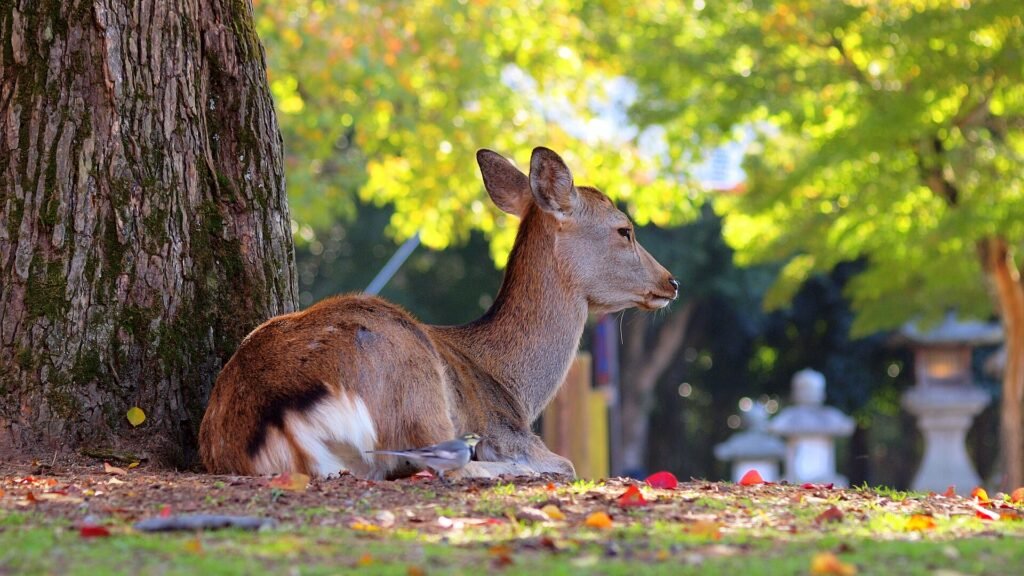
| 10:00 | Nara Park deer, Kasuga Taisha lanterns | Free (deer crackers ¥200) |
| 12:00 | Naramachi, lunch | ¥1,300 |
| 14:00 | Nara to Osaka | ¥820 |
| 15:00 | Check in, Umeda or Namba | — |
| 16:00 | Osaka Castle grounds | ¥600 to enter the keep |
| 19:00 | Dotonbori, takoyaki, okonomiyaki, kushikatsu | ¥3,500 |
Osaka lodging tax doubled on 1 September 2025 to ¥0/¥200/¥400/¥500 per person per night, with the exemption threshold lowered from ¥7,000 to ¥5,000. Osaka is still a cheaper base than Kyoto for the same day trips, which is worth knowing if you would rather flip nights between the two.
Dotonbori is worth exactly one evening. The deer in Nara are worth a full day.
Day 7: Osaka, then back to Tokyo or fly home
| Time | Where | Cost |
|---|---|---|
| 08:00 | Kuromon Ichiba market breakfast | ¥1,500 |
| 10:00 | Shinsekai and Tsutenkaku, or Osaka Aquarium | ¥1,000 to ¥2,700 |
| 12:30 | Umeda Sky Building floating garden | ¥2,000 |
| 15:00 | Osaka to Tokyo, Nozomi | ¥14,720 |
| 17:30 | Arrive Tokyo | — |
If you are flying out of Kansai (KIX) instead, skip the return leg entirely and save ¥14,720. The Nankai Rapi:t from Namba to KIX takes 38 minutes and costs ¥1,490.
If you fly out of Tokyo: allow extra time at the airport. From 1 November 2026, tax-free shopping moves from a till discount to an airport refund claimed at customs before check-in. Budget 30 to 45 minutes if you have shopped.
Variations that work
| If you have | Change |
|---|---|
| 5 days | Drop Hakone and Nara. Tokyo 3, Kyoto 2 |
| 10 days | Add Hiroshima and Miyajima (2 nights) and Kanazawa (1 night) |
| 14 days | Add Takayama, Shirakawa-go and Hokkaido or Kyushu, and now the JR Pass makes sense |
| Winter | Swap Hakone for Nozawa Onsen or a Hokkaido leg |
| Cherry blossom season | Book 4 to 6 months ahead and add a day of buffer for crowds |
| Travelling with kids | Swap Nijo Castle for Kyoto Railway Museum, add Osaka Aquarium |
What to avoid
- Golden Week, 29 April to 5 May. Domestic travel peak, trains sell out, prices spike.
- Obon, mid-August. Same, plus 35C and high humidity.
- New Year, 29 December to 3 January. Much of the country closes.
- Five cities in seven days. You will spend the week on trains and remember none of it.
Frequently asked questions
Is 7 days enough for Japan? For a first trip covering Tokyo, Kyoto and Osaka with one side trip, yes. It is not enough for Tokyo, Kyoto, Osaka, Hiroshima and Hokkaido, which is what people try to do. Three bases in seven days is the sustainable maximum.
How much does a 7-day Japan trip cost? About ¥87,000 ($546) per person on a hostel budget, ¥177,500 ($1,115) mid-range, ¥370,000 ($2,324) comfortable, excluding international flights. Accommodation is roughly 36 per cent of the total.
Do I need the JR Pass for a 7-day trip? No. Point-to-point tickets for this route cost about ¥32,500 against ¥50,000 for the pass, rising to ¥53,000 on 1 October 2026. The pass wins on 14 and 21-day trips and on routes reaching Kyushu or Hokkaido.
Tokyo first or Kyoto first? Tokyo first if you land at Haneda or Narita, Kyoto first if you land at Kansai. Doing Tokyo first also means you hit Kyoto’s early mornings after you have adjusted to the time zone, which matters more than it sounds.
Should I stay in Kyoto or Osaka? Osaka is cheaper, has better food and is 15 minutes from Kyoto by rapid train. Kyoto is where you want to be at 6:30am. Splitting the nights between them, as this plan does, gets both.
What is the best month for this itinerary? November: clear, mild, autumn colour, no domestic holiday peak. Late April after Golden Week is the second choice.
How do I handle luggage between cities? Forward it by takkyubin for ¥2,000 to ¥2,500 per bag, next-day delivery. Anything over 160 cm combined dimensions needs a reserved oversized-baggage space on the Shinkansen, so forwarding is usually easier than carrying.
Are lodging taxes included in my hotel booking? Almost never. Kyoto charges up to ¥10,000 per person per night in its top band since 1 March 2026, Osaka ¥0 to ¥500, and Tokyo ¥100 to ¥200 rising to a flat 3 per cent on 1 April 2027. All are collected at check-out.
A note on our numbers
Fares, admissions and taxes were verified against operator and city sources in August 2026, with effective dates noted for recent and upcoming changes. Shinkansen fares quoted are reserved-seat ordinary class. If a figure has moved since publication, tell us and we will update it.
Plan the rest: Japan Travel Guide 2026 · How Much Does a Trip to Japan Cost? · Tokyo Travel Guide · Where to Stay in Tokyo
Booking this trip: what to reserve and when
Japan rewards a small amount of advance planning and punishes a lot of it, because over-planning removes the ability to react to weather and to how tired you are.
| Item | How far ahead | Why |
|---|---|---|
| Flights | 3 to 6 months | Cherry blossom and autumn fares rise sharply inside 8 weeks |
| Hotels in Kyoto | 3 to 4 months | Kyoto is now the most expensive bed in Japan and sells out first |
| Hotels elsewhere | 4 to 8 weeks | Business hotels rarely sell out outside peak weeks |
| Ryokan in Hakone | 6 to 8 weeks | Fewer rooms, and dinner service is fixed |
| Shinkansen reserved seats | 1 month, or 1 to 2 days | Bookable from exactly 1 month before. Non-reserved cars exist as a fallback |
| Ghibli Museum | Months, lottery | Not a normal booking |
| teamLab, Shibuya Sky | 1 to 2 weeks | Sunset slots go first |
| Popular restaurants | 2 to 4 weeks, via your hotel | Many will not take foreign phone bookings |
| Mt Fuji climb | Before you fly | Mandatory registration, and Shizuoka trails need an e-learning test |
What not to book: temples, shrines, gardens, museums, day-trip trains, or anything in Nara. Booking these removes the flexibility that makes the itinerary work.
Adapting this itinerary to the seasons
| Season | Change to make |
|---|---|
| Cherry blossom, late Mar to early Apr | Add a day of buffer, book 4 to 6 months out, and swap one Kyoto temple for Maruyama Park in the evening |
| Golden Week, 29 Apr to 5 May | Do not travel between cities on the 29th, 3rd or 5th. Trains sell out and hotels double |
| Rainy season, Jun to mid-Jul | Swap the Hakone outdoor loop for the Open Air Museum and an indoor onsen. Hydrangeas at Meigetsu-in are the compensation |
| High summer, Aug | Start days at 07:00, break from 13:00 to 16:00. Obon mid-month is a domestic peak |
| Typhoon season, Aug to Oct | Rail operators announce planned suspensions a day ahead. Check the night before |
| Autumn, Nov | The best month. Add Rikugien in Tokyo and Tofukuji in Kyoto for maple |
| Winter, Dec to Feb | Swap Hakone for a snow-country onsen. Fuji is at its clearest. Avoid 29 Dec to 3 Jan |
Where to stay in each city, and what it costs
| City | District | Why | Mid-range rate |
|---|---|---|---|
| Tokyo | Shinjuku | Every line, food, nightlife | ¥18,000 to ¥25,000 |
| Tokyo | Tokyo Station | Shinkansen, quiet, business hotels | ¥16,000 to ¥24,000 |
| Tokyo | Asakusa or Ueno | Cheapest, old Tokyo | ¥9,000 to ¥17,000 |
| Hakone | Hakone-Yumoto or Gora | Ryokan with dinner and a private bath | ¥15,000 to ¥35,000 |
| Kyoto | Near Kyoto Station | Shinkansen and buses, cheaper | ¥15,000 to ¥25,000 |
| Kyoto | Gion or Higashiyama | Atmosphere, walk to temples at 06:30 | ¥25,000 to ¥50,000 |
| Osaka | Namba | Food, nightlife, Nara and Kyoto trains | ¥12,000 to ¥20,000 |
| Osaka | Umeda | Shinkansen, department stores, quieter | ¥13,000 to ¥22,000 |
Remember that lodging tax is charged at check-out and is not in the rate you booked: up to ¥10,000 per person per night in Kyoto’s top band since 1 March 2026, ¥0 to ¥500 in Osaka, and ¥100 to ¥200 in Tokyo until it becomes a flat 3 per cent on 1 April 2027.
Tokyo district detail, with hotel names and price bands, is in Where to Stay in Tokyo.
A worked budget for this exact week
The table at the top gives ranges. This is what one specific mid-range trip actually costs, line by line, so you can adjust rather than guess.
| Day | Accommodation | Transport | Food | Sights | Day total |
|---|---|---|---|---|---|
| 1, Tokyo west | ¥15,000 | ¥800 | ¥5,200 | ¥2,500 | ¥23,500 |
| 2, Tokyo east | ¥15,000 | ¥800 | ¥5,200 | ¥1,000 | ¥22,000 |
| 3, to Hakone | ¥22,000 ryokan with dinner | ¥6,100 pass + ¥1,200 seat | ¥1,500 lunch | ¥2,100 | ¥32,900 |
| 4, to Kyoto | ¥18,000 | ¥11,090 + ¥2,200 forwarding | ¥5,500 | ¥1,300 | ¥38,090 |
| 5, Kyoto | ¥18,000 | ¥1,200 | ¥5,500 | ¥1,600 | ¥26,300 |
| 6, Nara and Osaka | ¥14,000 | ¥1,560 | ¥4,800 | ¥1,600 | ¥21,960 |
| 7, Osaka to Tokyo | — | ¥14,720 | ¥4,500 | ¥3,000 | ¥22,220 |
| Total | ¥102,000 | ¥39,670 | ¥32,200 | ¥13,100 | ¥187,000 |
That is roughly $1,175 per person, excluding international flights and the ¥3,000 departure tax, and it includes one ryokan night with dinner, one luggage forwarding, and every entry fee listed in the day plans.
Two ways to cut ¥40,000 without cutting the trip:
- Swap the ryokan for a business hotel in Hakone and eat out: saves about ¥10,000 and loses the best meal of the week. Reluctantly recommended only if the budget is tight.
- Fly out of Kansai instead of Haneda or Narita. Skipping the Osaka to Tokyo leg saves ¥14,720 and a travel day, and the Nankai Rapi:t to KIX is ¥1,490.
- Move the Kyoto nights to Osaka. Osaka runs ¥12,000 to ¥20,000 against Kyoto’s ¥15,000 to ¥25,000, its lodging tax is far lower since Kyoto’s March 2026 rise, and the two cities are 15 minutes apart by rapid train. You lose the 06:30 Fushimi Inari advantage, which is the real cost.
Kansai: Kyoto and Osaka
Tokyo is only half a first trip to Japan. Two hours and fifteen minutes west, the Golden Route continues.
- Kyoto Travel Guide 2026 — the lodging tax that now reaches ¥10,000 a night, and the bus pass that no longer exists
- The Perfect 3-Day Kyoto Itinerary — built around two dawn starts
- Where to Stay in Kyoto — now the most expensive bed in Japan
- How Much Does a Trip to Kyoto Cost?
- The Best Things to Do in Kyoto — including the temples that are closed for restoration
- Osaka Travel Guide 2026 — why the Expo site is shut and the Amazing Pass still wins
- The Perfect 2-Day Osaka Itinerary
- Where to Stay in Osaka — Umeda or Namba, decided
- The Best Things to Do in Osaka
- Best Day Trips from Osaka and Kyoto — Nara, Kobe, Himeji, Koyasan
Save this for later
Photo: “Mount Fuji from Lake Yamanaka” by Alpsdake, via Wikimedia Commons, licensed CC BY-SA 4.0.