In short
Two things changed in 2026 that most guides have not caught. JR East consolidated its regional passes on 14 March 2026 — if a guide names the JR East Tohoku Area Pass or the Nagano-Niigata Area Pass, it is out of date; the JR EAST PASS (5 days) is ¥35,000. And tax-free shopping changes on 1 November 2026 from a deduction at the till to a refund on departure.
Prices and rules verified against operator and government sources, August 2026.
Japan in 2026 is not the Japan most travel guides still describe. In the eighteen months to August 2026 the departure tax tripled, JR East raised fares for the first time in 39 years, the tax-free shopping system moved from the till to the airport, and the 7-day Japan Rail Pass quietly stopped making financial sense on the single most popular route in the country.
This guide is built around what those numbers actually are today, not what they were when the article was first written. Every price below carries a verification date, and where we could not verify something from an official source we say so.
What is in this guide
- What changed in Japan for 2026 travellers
- The single most expensive mistake first-time visitors make
- When to go, and what it costs to get it wrong
- What a trip actually costs
- Getting around: what to buy before you land
- Money, tax and the new refund system
- Where to go on a first trip
- Mt Fuji: read this before you plan to climb
- Etiquette that actually matters
- Connectivity and practicalities
- Frequently asked questions
- A note on our numbers
- Kansai: Kyoto and Osaka
Verified: 18 August 2026 · Exchange rate used: ¥159.21 = 1 USD (FRED, 14 August 2026)
Editor’s note
Japan stopped being cheap for foreigners in a specific way in 2026. The weak yen still helps, but domestic prices and rail fares rose. The country remains very good value. It is no longer the outright bargain that a lot of the internet still describes.
What changed in Japan for 2026 travellers
If you read a Japan guide written before mid-2025, these are the eight things it gets wrong.
| Change | Old | Now | In force from |
|---|---|---|---|
| International departure tax | ¥1,000 | ¥3,000 | 1 July 2026 |
| JR Pass, 7 days (ordinary) | ¥50,000 | ¥53,000 | 1 October 2026 |
| JR East fares | — | +7.8%, first rise in 39 years | 14 March 2026 |
| Tax-free shopping | Discount at the till, goods sealed | Pay full price, claim refund at the airport | 1 November 2026 |
| Kyoto lodging tax | ¥1,000 max | Up to ¥10,000, five bands | 1 March 2026 |
| Osaka lodging tax | ¥0/100/200/300 | ¥0/200/400/500, threshold ¥7,000 to ¥5,000 | 1 September 2025 |
| Mt Fuji climbing fee | ¥2,000, Yoshida trail only | ¥4,000 on all four trails + mandatory registration | 2026 season |
| Suica / PASMO for tourists | Welcome Suica only | Normal Suica and PASMO back on sale | 2026 |
Two more are dated but not yet live: the food consumption tax is scheduled to drop from 8% to 1% on 1 April 2027 (cabinet decision, legislation pending), and Tokyo replaces its flat ¥100/¥200 lodging tax with a flat 3% on the same date, with an exemption below ¥13,000 per night.
The single most expensive mistake first-time visitors make
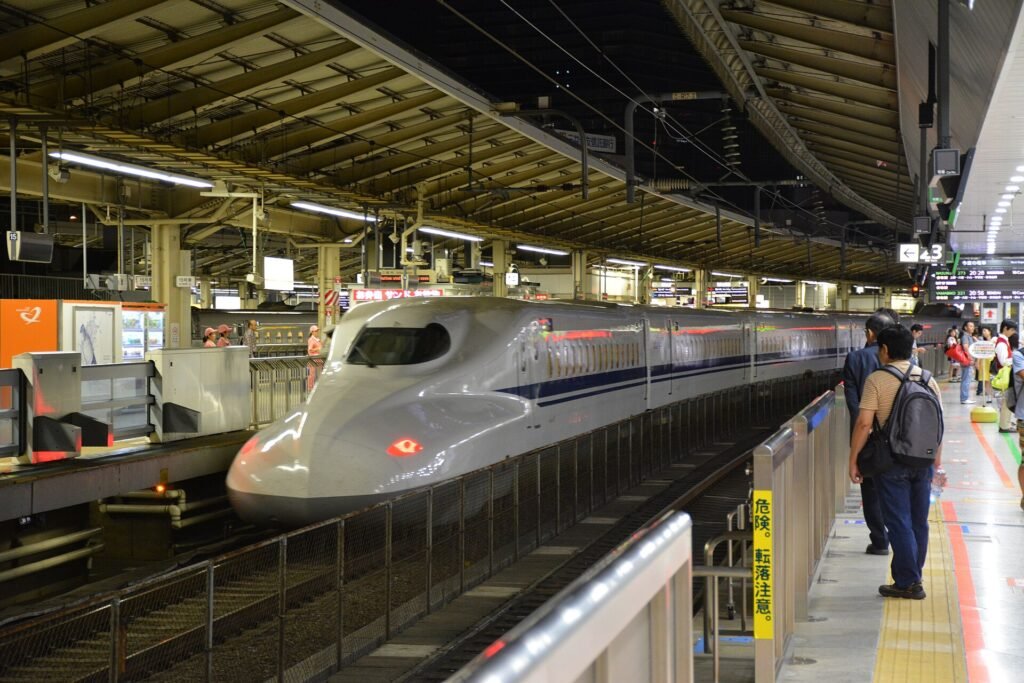
Nearly every guide still says “buy the Japan Rail Pass.” For the classic first trip, Tokyo to Kyoto to Osaka and back to Tokyo, that advice now costs you money.
| Route (reserved Nozomi where available) | Point-to-point |
|---|---|
| Tokyo to Kyoto | ¥14,170 |
| Kyoto to Osaka (Shinkansen) | ¥1,450 |
| Osaka to Tokyo | ¥14,720 |
| Total | ≈ ¥29,000 |
| 7-day JR Pass | ¥50,000 (¥53,000 from 1 Oct 2026) |
| You lose | ≈ ¥21,000 (about $132) |
The pass still wins in four situations: trips of 14 or 21 days, where the daily cost falls 20 to 33 per cent; routes that reach Kyushu or Hokkaido; itineraries with a long-distance leg almost every day; and travellers who value the flexibility of changing plans without rebooking. For a standard 7 to 10 day Golden Route trip with two or three intercity legs, buy tickets individually.
We break the full arithmetic down, including regional passes and the Tokyo Wide Pass, in How Much Does a Trip to Japan Cost?.
When to go, and what it costs to get it wrong
Japan’s seasons are not equally priced. National hotel ADR reached ¥22,450 in 2026, up 11.4 per cent year on year, and the increase is concentrated at the top of the market: luxury ADR rose 19.3 per cent while economy rose only 4.2 per cent. Business hotels are still the best value in the country. Five-star hotels are not.
| Season | Months | What you get | Crowds and price |
|---|---|---|---|
| Cherry blossom | Late Mar to early Apr | The postcard. Roughly 10 days per city | Highest prices of the year, book 4 to 6 months ahead |
| Late spring | Late Apr to May | Golden Week (29 Apr to 5 May) is a domestic travel peak; the rest of May is excellent | Avoid Golden Week, then very good value |
| Rainy season | Jun to mid-Jul | Humid, grey, hydrangeas. Not a washout, just damp | The cheapest good-weather-adjacent window |
| Summer | Mid-Jul to Aug | Hot, 33 to 36C with high humidity. Festival season. Mt Fuji climbing season | Domestic Obon peak mid-August |
| Autumn | Late Oct to early Dec | The best weather in Japan. Koyo foliage peaks Kyoto mid to late November | Second-highest prices, still worth it |
| Winter | Dec to Feb | Clear, cold, dry. Snow country and onsen season. Skiing in Hokkaido and Nagano | Cheapest, apart from New Year |
One counterintuitive data point from 2026: total inbound visitors to Japan fell about 2 per cent in the first half of the year, driven almost entirely by a collapse in Chinese arrivals. Visitors from the US were up 7.1 per cent and from the UK up 5.7 per cent. In practice this means less pressure on Ginza and Shinsaibashi shopping streets, and no relief at all in Kyoto’s temple district.
Kyoto, not Tokyo, is now the most expensive city in Japan for a bed.
What a trip actually costs
Japanese visitor spending breaks down consistently: accommodation 36.7 per cent, shopping 25.2 per cent, food and drink 22.9 per cent. Budget accordingly, and note that the second-largest line is one you fully control.
| Daily budget, per person | Backpacker | Mid-range | Comfortable |
|---|---|---|---|
| Accommodation | ¥3,500 hostel dorm | ¥13,000 business hotel | ¥30,000+ |
| Food | ¥2,500 | ¥5,500 | ¥12,000 |
| Local transport | ¥800 | ¥1,200 | ¥2,500 taxis |
| Sights and entries | ¥1,000 | ¥2,500 | ¥4,000 |
| Per day | ≈ ¥7,800 ($49) | ≈ ¥22,200 ($139) | ≈ ¥48,500 ($305) |
Add intercity transport separately. A first trip covering Tokyo, Hakone, Kyoto and Osaka runs about ¥35,000 to ¥45,000 per person in rail fares if bought point to point.
Prices that changed under everyone’s nose
| Item | Was | Now | Checked |
|---|---|---|---|
| Vending machine drink | ¥160 to ¥180 | ≈ ¥216 | Oct 2025 |
| 7-Eleven regular coffee | ¥120 | ¥140 | Jul 2026 |
| Tokyo public sento bath | ¥550 | ¥600 | 1 Aug 2026 |
| Tokyo taxi, first 1.096 km | ¥430 | ¥500, then ¥100 per 232 m | Apr 2026 |
| Tokyo Metro single ride (IC) | ¥170 to ¥320 | ¥178 to ¥324 | 2026 |
| Tokyo to Ikebukuro, JR | ¥208 | ¥253 | 14 Mar 2026 |
Getting around: what to buy before you land
IC cards are normal again
The semiconductor shortage that forced JR East to suspend sales of ordinary Suica cards in 2023 is over. As of 2026 you have four options, and the tourist-only card is no longer the default answer.
| Card | Cost | Validity | Best for |
|---|---|---|---|
| Regular Suica / PASMO | ¥500 deposit, refundable | No expiry | Anyone staying more than a few days |
| Welcome Suica (physical) | No deposit | 28 days | Short trips, no refund queue |
| Welcome Suica Mobile | Free, in Apple Wallet | 180 days, accepts foreign cards | The best option for iPhone users |
| Tourist PASMO | No deposit | 28 days | Launched May 2026, PASMO network |
The mobile route is the quiet winner. Adding Suica to Apple Wallet takes two minutes at the gate, tops up with a foreign card, and skips the ticket-office queue entirely. Android users need a Japanese-issued Felica phone, so a physical card is still the answer.
Passes worth having, and passes that changed name
JR East consolidated its regional passes on 14 March 2026. If a guide mentions the JR East Tohoku Area Pass or the Nagano-Niigata Area Pass, it is out of date.
| Pass | 2026 price | Notes |
|---|---|---|
| JR EAST PASS, 5 days | ¥35,000 | Replaces the old Tohoku and Nagano-Niigata passes |
| JR EAST PASS, 10 days | ¥50,000 | Flexible days within a window |
| JR Tokyo Wide Pass, 3 days | ¥16,000 (was ¥15,000) | Covers Nikko, Karuizawa, Kawaguchiko, GALA Yuzawa |
| Tokyo Subway Ticket | ¥1,000 / ¥1,500 / ¥2,000 for 24 / 48 / 72 hours | Breaks even at 4 to 5 rides per day. Tourist-only |
| Japan Rail Pass, 7 days | ¥53,000 from 1 Oct 2026 | See the arithmetic above before buying |
Airport transfers: the ¥2,250 difference
Haneda is dramatically cheaper to reach than Narita, and this rarely appears in comparisons of the two airports.
| From | Service | Fare | Time to central Tokyo |
|---|---|---|---|
| Haneda | Keikyu Line | ¥327 | 20 to 30 min |
| Haneda | Tokyo Monorail | ¥520 | 20 min to Hamamatsucho |
| Narita | Keisei Skyliner | ¥2,580 | 41 min to Ueno |
| Narita | Narita Express (N’EX) | ¥3,070 | 55 to 80 min |
| Narita | Keisei Access Express | ¥1,290 | 60 min, no reservation |
If two flights are within about $60 of each other, take the Haneda one. The transfer saving plus an hour of your life closes the gap.
Money, tax and the new refund system
Tax-free shopping changes on 1 November 2026
This is the single biggest practical change of the year and almost nothing online reflects it yet.
Until 31 October 2026: you show your passport at the till, the 10 per cent consumption tax is deducted immediately, and consumables are sealed in a bag you must not open before leaving Japan.
From 1 November 2026: you pay the full tax-inclusive price in store. You then claim the refund at the airport, at customs, before check-in. The sealed-bag rule disappears, and the minimum purchase and consumable/general-goods split are simplified.
Practical consequences: budget for the extra 10 per cent up front rather than assuming an instant discount; leave an extra 30 to 45 minutes at the airport if you have shopped seriously; and do customs before you drop your bags, not after.
Cash versus card
Japan is far more card-friendly than its reputation, but the exceptions are consistent: small ramen shops with ticket machines, temple entry booths, rural buses, some izakaya, and most street food. Carry ¥15,000 to ¥20,000 in cash and use 7-Eleven or Japan Post ATMs, which reliably accept foreign cards. Seven Bank ATMs are open 24 hours in most convenience stores.
The taxes you will not see coming
| Tax | Amount | Where |
|---|---|---|
| International departure tax | ¥3,000 per person, from 1 Jul 2026 | Built into your ticket price |
| Kyoto lodging tax | Up to ¥10,000 per night, five bands, from 1 Mar 2026 | Charged at check-out |
| Osaka lodging tax | ¥0 / ¥200 / ¥400 / ¥500, threshold now ¥5,000 | Charged at check-out |
| Tokyo lodging tax | ¥100 / ¥200 now; flat 3% from 1 Apr 2027 | Charged at check-out |
| Consumption tax | 10% general, 8% food and non-alcoholic drink | Included in displayed prices |
Note that lodging taxes are usually charged per person per night and are almost never included in the rate you see on a booking site.
Where to go on a first trip
The Golden Route exists because it works. The mistake is trying to add a fifth and sixth city to a 10-day trip.
Tokyo, 3 to 4 nights
Thirteen distinct city centres stitched together. Base yourself on the Yamanote loop, spend a day per district rather than trying to cross the city twice a day, and accept that you will not see it all. Full breakdown in our Tokyo travel guide, and neighbourhood-by-neighbourhood advice in Where to Stay in Tokyo.
Hakone or Nikko, 1 night
Hakone gives you onsen, the Open Air Museum, a pirate ship on Lake Ashi and, if the weather cooperates, Mt Fuji. Nikko gives you Toshogu shrine and cedar forest, and is covered by the Tokyo Wide Pass. Pick one. Both are also doable as day trips, which we cost out in Best Tours and Day Trips from Tokyo.
Kyoto, 3 nights
Seventeen UNESCO World Heritage sites and the highest hotel rates in the country. Go to Fushimi Inari before 7am and Arashiyama bamboo grove before 8am, or do not bother. Kyoto rewards early mornings more than any other Japanese city.
Osaka, 1 to 2 nights
The food city, and a cheaper base than Kyoto for the same day trips. Dotonbori is worth exactly one evening. Nara is 45 minutes away and worth a full day.
If you have more than 10 days
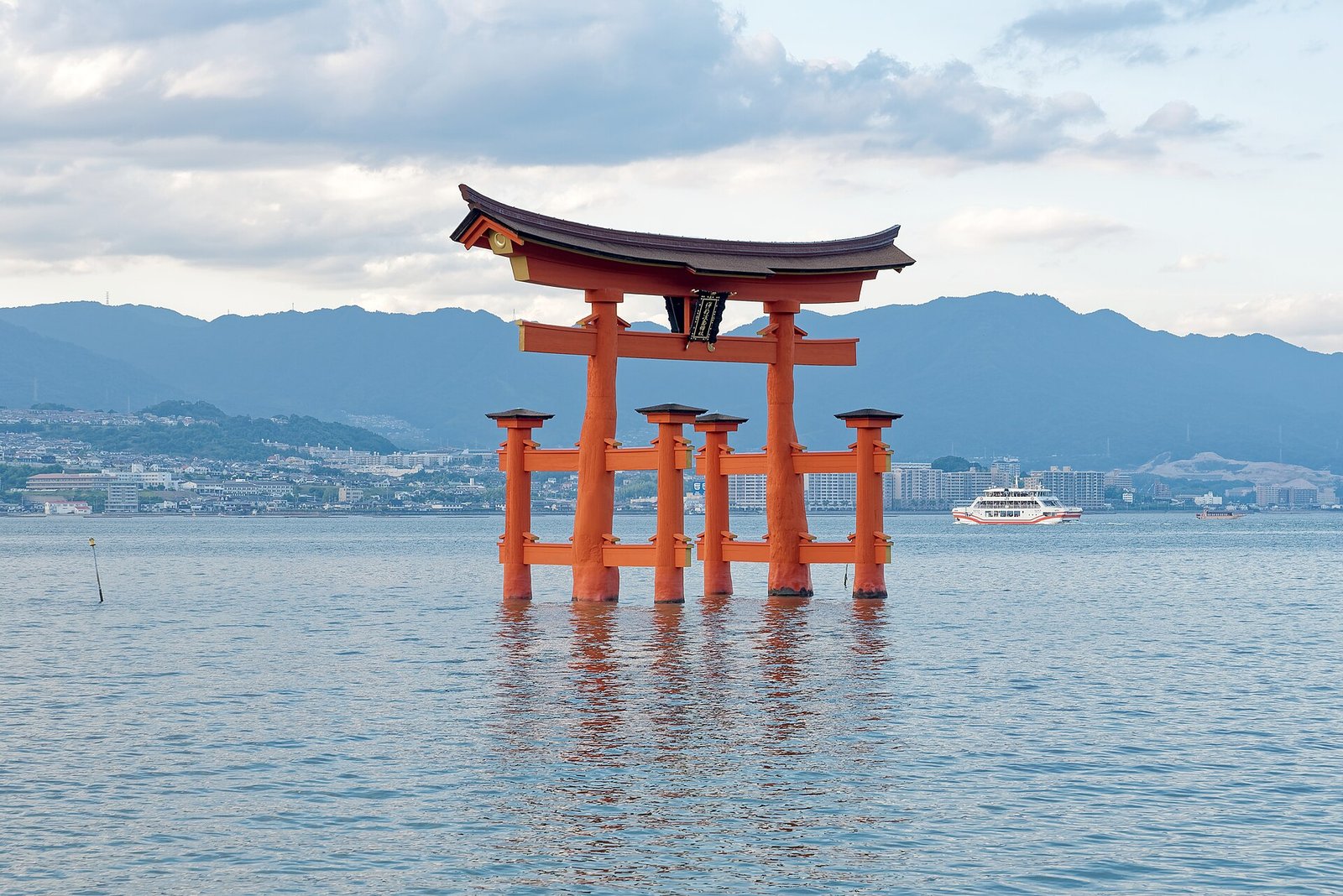
Kanazawa for the garden and the samurai district; Hiroshima and Miyajima for the most affecting two days in Japan; Takayama and Shirakawa-go for mountain Japan; Naoshima for contemporary art on an island; Hokkaido in winter or Kyushu’s onsen towns in any season.
Mt Fuji: read this before you plan to climb
The 2026 season introduced the strictest rules in the mountain’s modern history.
- ¥4,000 fee on all four trails. The Yoshida-only ¥2,000 arrangement is gone.
- Mandatory advance registration for every climber.
- Shizuoka Prefecture trails (Fujinomiya, Gotemba, Subashiri) require completion of an e-learning course and test before you can register.
- Gate closures between 2pm and 3am unless you hold a mountain hut reservation, to stop “bullet climbing” overnight ascents.
- The climbing season runs roughly early July to early September. Outside it, the mountain is a genuine mountaineering objective and people die on it every year.
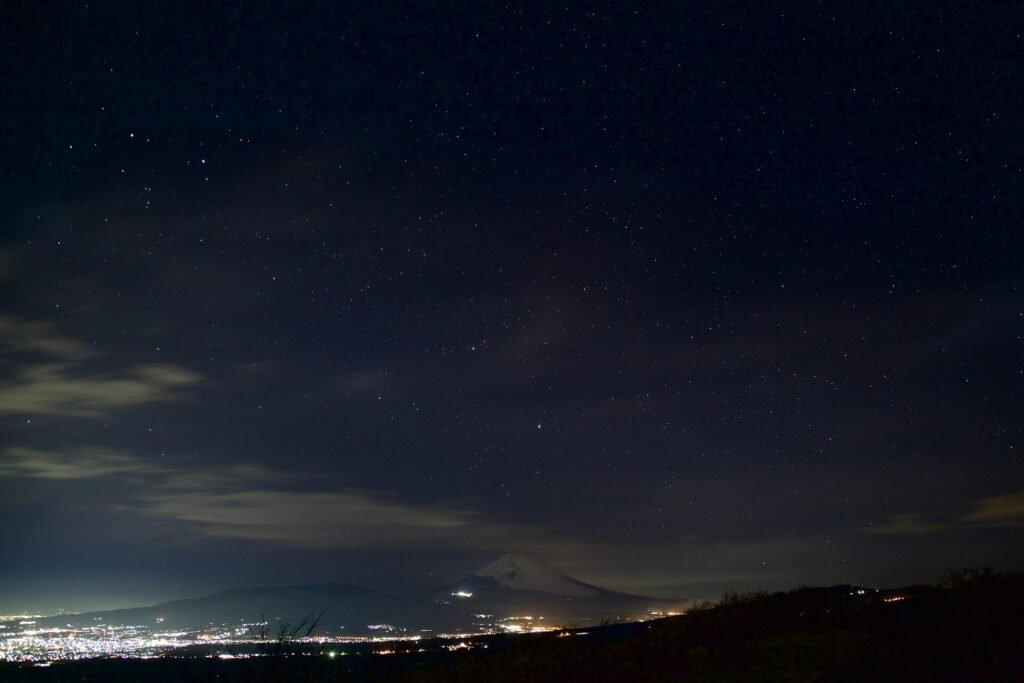
If you only want to see Fuji rather than stand on it, the Kawaguchiko side on a clear winter morning gives you a better photograph than the summit ever will.
Etiquette that actually matters
Most etiquette lists are anxiety generators. These five are the ones locals actually notice.
- Do not eat or drink while walking. Stand next to the vending machine, finish, bin it there.
- Silence on trains. No phone calls. Set your phone to manner mode.
- Shoes off where there is a step up and a shoe rack, in homes, temples, ryokan, many restaurants and some fitting rooms.
- Wash before you get in the onsen. Sit on the stool, soap thoroughly, rinse completely, then enter. The bath is for soaking, not cleaning. Tattoos remain an issue at some traditional baths; look for tattoo-friendly listings or book a private family bath.
- No tipping, ever. It causes confusion and occasionally offence. A service charge appears on the bill at higher-end places, and that is that.
Two things that are fine despite the rumours: slurping noodles is normal and slightly complimentary, and speaking English to staff is fine as long as you speak slowly and lead with “sumimasen.”
Connectivity and practicalities
- eSIM is now the default. Expect roughly ¥2,000 to ¥4,000 for 10 to 20GB over two weeks, activated before you fly. Pocket wifi only makes sense for groups sharing one connection.
- Luggage forwarding (takkyubin) costs about ¥2,000 to ¥2,500 per bag between cities and takes one day. Send the big case Tokyo to Kyoto, travel with a daypack on the Shinkansen. This is the single best-value ¥2,000 in Japan.
- Coin lockers at major stations run ¥400 to ¥1,000 and fill up by 10am at Kyoto and Shinjuku.
- Tap water is drinkable everywhere.
- Power is 100V, type A/B plugs. US devices work; UK and EU devices need an adapter.
- Bins are genuinely rare in public. Carry your rubbish to a convenience store.
Frequently asked questions
Is Japan expensive in 2026? Less than its reputation suggests, but more than in 2024. The yen at ¥159 to the dollar still favours foreign visitors, and inflation is running at 1.7 per cent. A mid-range traveller spends about ¥22,200 per day excluding intercity transport. Accommodation is where the increases have landed, particularly at the luxury end and particularly in Kyoto.
Do I need the Japan Rail Pass? Probably not, for a first trip of 7 to 10 days on the Golden Route. Point-to-point tickets for Tokyo to Kyoto to Osaka to Tokyo cost about ¥29,000 against ¥53,000 for the pass from 1 October 2026. It becomes worthwhile on 14 and 21-day trips or routes reaching Kyushu or Hokkaido.
Can I use my credit card everywhere? In hotels, department stores, chain restaurants, convenience stores and on trains, yes. In small ramen shops, temples, rural buses and street stalls, no. Carry ¥15,000 to ¥20,000 in cash and withdraw more at 7-Eleven or Japan Post ATMs.
How much cash should I bring? Bring little or none. Withdraw yen from a 7-Eleven ATM on arrival at a better rate than any airport exchange counter will give you.
Is English widely spoken? Enough to function. Station signage, train announcements and restaurant menus in tourist areas are bilingual. Outside those areas, a translation app and patience cover it.
When is the cheapest time to visit Japan? January and February, excluding the New Year period, followed by the June rainy season. Avoid cherry blossom season, Golden Week (29 April to 5 May), Obon (mid-August) and the last week of December.
What is the new departure tax? ¥3,000 per person from 1 July 2026, up from ¥1,000. It is collected inside your airline ticket price, so you will not pay it separately at the airport.
Has tax-free shopping changed? Yes. From 1 November 2026 you pay full price in the shop and claim the refund at the airport before check-in, rather than getting the discount at the till.
A note on our numbers
Prices here were verified against operator and government sources in August 2026 and marked with the date each change took effect. Japanese fares and taxes move on fixed calendar dates, so anything dated 2027 in this article is confirmed but not yet in force. If you find a figure that has moved, tell us and we will correct it.
Next: How Much Does a Trip to Japan Cost? · How Much Does a Trip to Tokyo Cost? · Where to Stay in Tokyo · Best Tours and Day Trips from Tokyo
Kansai: Kyoto and Osaka
Tokyo is only half a first trip to Japan. Two hours and fifteen minutes west, the Golden Route continues.
- Kyoto Travel Guide 2026 — the lodging tax that now reaches ¥10,000 a night, and the bus pass that no longer exists
- The Perfect 3-Day Kyoto Itinerary — built around two dawn starts
- Where to Stay in Kyoto — now the most expensive bed in Japan
- How Much Does a Trip to Kyoto Cost?
- The Best Things to Do in Kyoto — including the temples that are closed for restoration
- Osaka Travel Guide 2026 — why the Expo site is shut and the Amazing Pass still wins
- The Perfect 2-Day Osaka Itinerary
- Where to Stay in Osaka — Umeda or Namba, decided
- The Best Things to Do in Osaka
- Best Day Trips from Osaka and Kyoto — Nara, Kobe, Himeji, Koyasan
Save this for later