
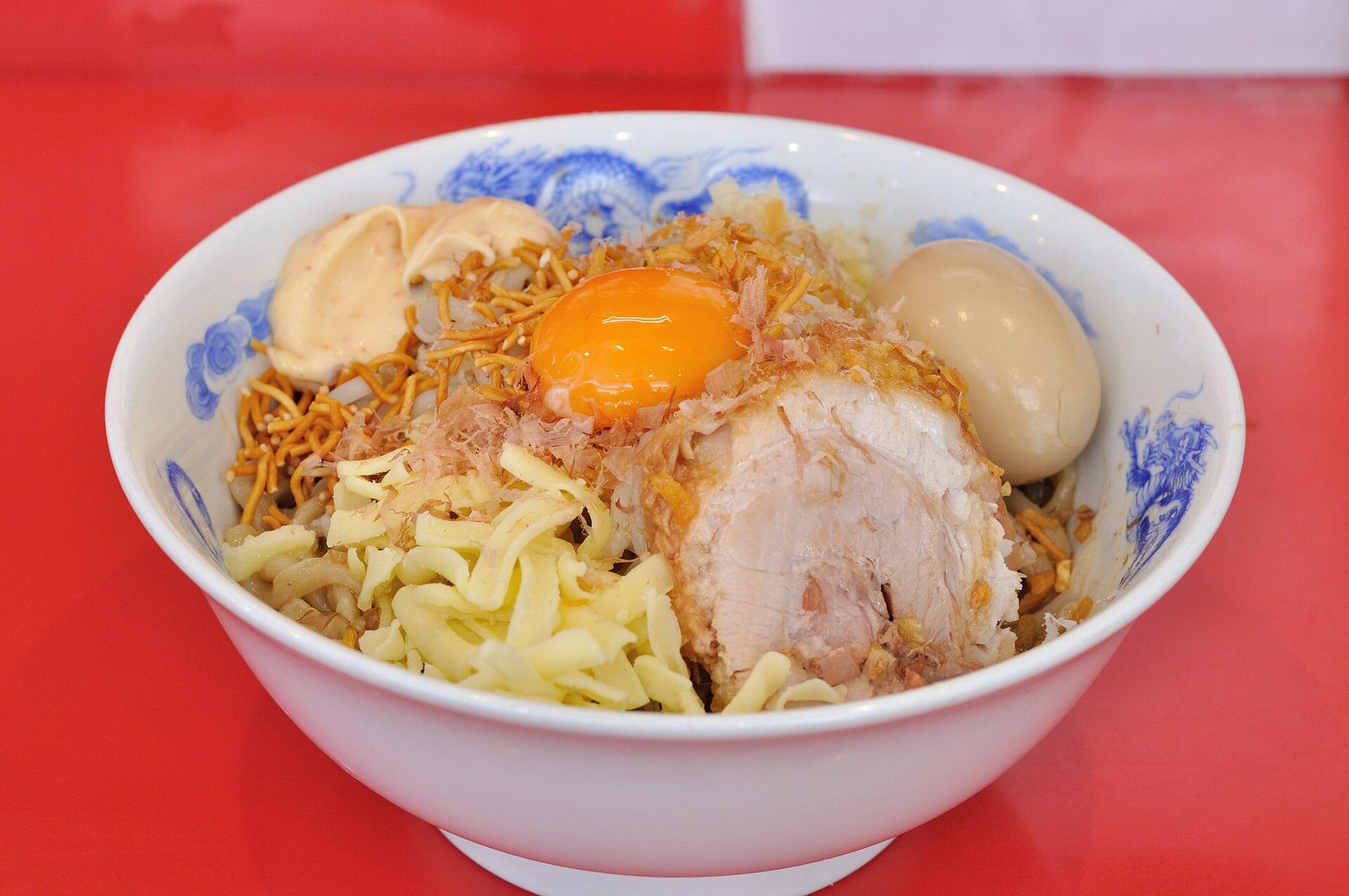
In short
Eating well in Japan is cheap if you know the tiers. Convenience-store onigiri ¥150–250, standing soba at a station ¥400–600, a gyudon beef bowl ¥500–800, ramen ¥900–1,400, conveyor-belt sushi ¥1,500–3,000. The gap between a ¥600 lunch and a ¥6,000 one in Japan is far more about setting than about quality.
Prices checked August 2026.
Japanese food is a set of regional specialisms pretending to be one cuisine. Sushi is Tokyo. Okonomiyaki is Osaka and Hiroshima, and the two versions are genuinely different dishes. Kaiseki is Kyoto. Ramen belongs to about fifteen cities, each convinced its version is correct.
This guide covers what to eat, where the regional versions differ, what it costs in August 2026, and the etiquette that actually matters.
What is in this guide
- What food costs in Japan, 2026
- The two money-saving tricks that actually work
- The dishes, by region
- Drinking
- Dietary restrictions, honestly
- Etiquette that matters at the table
- Where to eat, by situation
- Booking, and when it is necessary
- Frequently asked questions
- A note on our numbers
- How a Japanese meal is structured
- Sake, plainly explained
- Seasonal eating, by month
- The regional food map, at a glance
- Where a dish is cheapest at source
- Convenience store food, ranked honestly
- Kansai: Kyoto and Osaka
Verified: 18 August 2026 · Exchange rate: ¥159.21 = 1 USD
Editor’s note
Eat regionally and eat cheaply. Japan’s best food is rarely its most expensive food, and the gap between a nine-hundred-yen lunch counter and a nine-thousand-yen dinner is much smaller than the price difference suggests.
What food costs in Japan, 2026
| Meal | Typical price | USD |
|---|---|---|
| Convenience store onigiri | ¥150 to ¥250 | $1 to $1.60 |
| Standing soba at a station | ¥400 to ¥600 | $2.50 to $3.80 |
| Ramen | ¥900 to ¥1,400 | $5.70 to $8.80 |
| Gyudon chain beef bowl | ¥500 to ¥800 | $3 to $5 |
| Conveyor-belt sushi | ¥1,500 to ¥3,000 | $9 to $19 |
| Department store basement bento | ¥1,000 to ¥2,000 | $6 to $13 |
| Izakaya dinner with drinks | ¥3,500 to ¥5,000 | $22 to $31 |
| Mid-range sushi counter | ¥8,000 to ¥15,000 | $50 to $94 |
| Kaiseki, Kyoto | ¥15,000 to ¥40,000 | $94 to $251 |
| Michelin-starred dinner | ¥25,000 to ¥60,000 | $157 to $377 |
Food and drink accounts for 22.9 per cent of visitor spending in Japan, against 36.7 per cent on accommodation. It is the line item where you get the most for the least.
Two prices that moved recently and appear in every guide at the old figure: the vending machine drink is now about ¥216, up from ¥160 to ¥180 in October 2025, and 7-Eleven regular coffee went from ¥120 to ¥140 in July 2026.
Coming in 2027: the consumption tax on food is scheduled to drop from 8 per cent to 1 per cent on 1 April 2027. This is a cabinet decision with legislation still pending, so treat it as likely rather than certain.
The two money-saving tricks that actually work
Lunch sets at dinner restaurants
High-end Japanese restaurants routinely serve the same kitchen’s cooking at lunch for about a third of the dinner price. A ¥25,000 kaiseki dinner has a ¥7,000 to ¥9,000 lunch equivalent. A Michelin-starred sushi counter charging ¥30,000 in the evening will do an omakase lunch at ¥8,000 to ¥12,000.
If you want one exceptional meal in Japan, book it at midday.
Department store basements after 19:00
The depachika, the food halls in the basements of Isetan, Mitsukoshi, Takashimaya and Daimaru, discount prepared food, bento, tempura and sushi by 30 to 50 per cent in the last 90 minutes before closing. The quality is department-store quality, not supermarket quality.
This is how you eat exceptionally well in Japan for ¥1,000.
The dishes, by region
Sushi
| Style | Where | What it is |
|---|---|---|
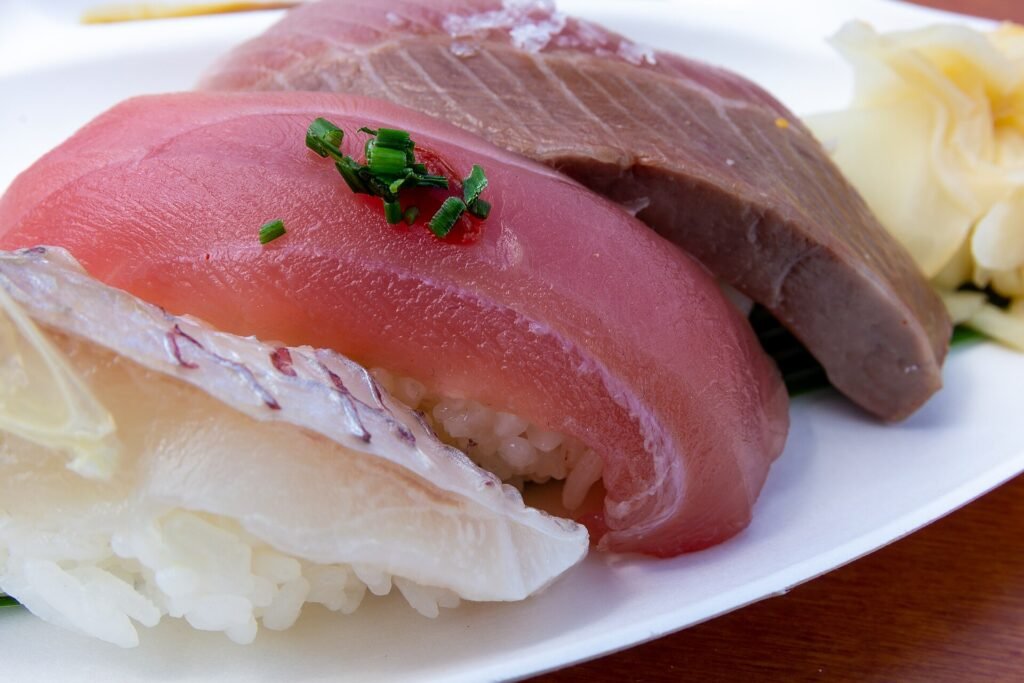
| Edomae nigiri | Tokyo | The standard. Aged, cured, brushed with nikiri, no soy needed |
| Oshizushi | Osaka | Pressed in a box, cut into squares |
| Kaiten (conveyor) | Everywhere | ¥120 to ¥400 per plate. Genuinely good at Sushiro, Kura, Hamazushi |
| Toyosu market counters | Tokyo | ¥3,000 to ¥6,000 breakfast omakase from 06:00 |
The Tsukiji inner market moved to Toyosu in 2018. The outer market is still at Tsukiji, still open, and is where most visitors actually want to go: street food, knife shops, tamagoyaki stalls.
Ramen, by city
| Style | City | Broth |
|---|---|---|
| Tonkotsu | Fukuoka / Hakata | Pork bone, opaque, rich |
| Shoyu | Tokyo | Soy-based, clear, chicken and dashi |
| Miso | Sapporo | Fermented soybean, butter and corn optional |
| Shio | Hakodate | Salt, lightest of the four |
| Tsukemen | Tokyo | Noodles and dipping broth served separately |
| Abura soba | Tokyo | No broth at all, oil and tare |
Ordering is usually via a ticket machine at the door. Cash. Choose, press, hand the ticket over, sit. Slurping is normal and faintly complimentary.
Okonomiyaki: two different dishes with one name
| Osaka style | Hiroshima style | |
|---|---|---|
| Structure | Ingredients mixed into the batter | Layered, not mixed |
| Noodles | Optional (modan-yaki) | Standard, yakisoba layer |
| Cabbage | Mixed in | Piled high, steamed down |
| Cooked | Often by you, at the table | Almost always by the chef |
| Price | ¥900 to ¥1,500 | ¥1,000 to ¥1,600 |
If someone tells you they do not like okonomiyaki, ask which one they tried.
Regional specialities worth planning around
| Dish | City | Price | Note |
|---|---|---|---|
| Kaiseki | Kyoto | ¥15,000 to ¥40,000 | Multi-course seasonal. Lunch versions from ¥7,000 |
| Yudofu | Kyoto | ¥2,000 to ¥4,000 | Simmered tofu, temple cuisine |
| Takoyaki | Osaka | ¥500 to ¥700 | Octopus balls. Dotonbori is the obvious place |
| Kushikatsu | Osaka | ¥100 to ¥300 per skewer | Never double-dip the communal sauce |
| Motsunabe | Fukuoka | ¥2,500 | Offal hotpot |
| Basashi | Kumamoto | ¥1,500 to ¥3,000 | Raw horse. Yes, really |
| Kaisendon | Hokkaido | ¥2,500 to ¥5,000 | Seafood rice bowl, uni and crab |
| Hitsumabushi | Nagoya | ¥4,000 to ¥6,000 | Eel, eaten three ways in sequence |
| Wagyu | Kobe, Matsusaka, Omi | ¥8,000 to ¥25,000 | Lunch steak sets from ¥5,000 |
| Shojin ryori | Koyasan | ¥3,000 to ¥6,000 | Buddhist temple vegan cuisine |
Convenience store food is not a compromise
7-Eleven, Lawson and FamilyMart operate a genuinely good food supply chain. Egg sandwiches, onigiri, oden in winter, karaage, and Lawson’s Premium Roll Cake are things Japanese people eat by choice, not by desperation. Breakfast for ¥500 is normal and good.
Drinking
| Drink | Price | Where |
|---|---|---|
| Draft beer, izakaya | ¥500 to ¥700 | Everywhere |
| Convenience store beer | ¥220 to ¥300 | Everywhere |
| Sake, glass | ¥600 to ¥1,200 | Izakaya, specialist bars |
| Shochu highball | ¥400 to ¥600 | Izakaya |
| Whisky, Japanese | ¥800 to ¥2,500 | Bars. Yamazaki and Hibiki are now genuinely expensive |
| Matcha, tea house | ¥800 to ¥1,500 | Kyoto, Uji |
| Coffee, kissaten | ¥500 to ¥900 | Everywhere. Order it hand-dripped |
Nomihodai (all you can drink) at izakaya runs ¥1,500 to ¥2,500 for 90 to 120 minutes and is usually good value. Otoshi, a small compulsory appetiser charged at ¥300 to ¥500 per person, is a cover charge in disguise, not a scam, and appears on nearly every izakaya bill.
Dietary restrictions, honestly
Japan is harder than Europe for vegetarians and much harder for vegans, because dashi, the stock in almost everything, is made from bonito flakes.
| Need | Reality |
|---|---|
| Vegetarian | Difficult. Shojin ryori (temple cuisine) is the reliable answer. Many “vegetable” dishes use dashi |
| Vegan | Hard outside Tokyo and Kyoto, which have real vegan scenes |
| Gluten-free | Very hard. Soy sauce contains wheat. Tamari versions exist but are rare in restaurants |
| Halal | Growing in Tokyo, Osaka and around mosques. Apps like Halal Gourmet Japan help |
| Nut allergy | Comparatively easy; nuts are uncommon in Japanese cooking |
| Shellfish allergy | Difficult. Dashi and many sauces contain seafood derivatives |
Carry a printed allergy card in Japanese. Staff take it seriously.
Etiquette that matters at the table
- Say itadakimasu before, gochisousama after. Small effort, noticed every time.
- Never stand chopsticks upright in rice, and never pass food chopstick to chopstick. Both are funeral rites.
- Slurp noodles. It is normal and cools them.
- Do not pour your own drink in a group. Pour for others, they pour for you.
- No tipping. Ever. Higher-end places add a service charge instead.
- Do not walk while eating. Finish it where you bought it.
- Kushikatsu: one dip in the communal sauce, no second dip. Use cabbage as a spoon if you need more.
- Pay at the register, not at the table, in most places.
Where to eat, by situation
| Situation | Go to | Budget |
|---|---|---|
| Breakfast | Convenience store, or a market counter | ¥400 to ¥3,000 |
| Fast, cheap, good lunch | Standing soba, gyudon chain, ramen | ¥400 to ¥1,400 |
| One memorable meal | A dinner restaurant’s lunch set | ¥7,000 to ¥12,000 |
| Dinner with a group | Izakaya, nomihodai if you drink | ¥3,500 to ¥5,000 |
| Late night | Yokocho alleys, Golden Gai, Omoide Yokocho | ¥3,000 to ¥4,000 |
| Rainy afternoon | Depachika basement, sample your way through | ¥1,000 to ¥2,000 |
| Vegetarian | Temple shojin ryori, or Tokyo and Kyoto vegan spots | ¥2,000 to ¥6,000 |
| With kids | Kaiten sushi, family restaurants (Saizeriya, Gusto) | ¥800 to ¥2,000 |
Tokyo-specific recommendations by district are in Savoring Tokyo.
Booking, and when it is necessary
| Type | Booking |
|---|---|
| Ramen, soba, gyudon, kaiten sushi | Never. Queue |
| Izakaya | Weekends, worth it |
| Mid-range sushi counter | 1 to 2 weeks |
| Michelin-starred | 1 to 3 months, often through your hotel concierge |
| Kaiseki in Kyoto | 2 to 4 weeks, longer in autumn and cherry blossom season |
Many top restaurants will not take a booking from a foreign phone number. Ask your hotel to call. This is a normal request and concierges do it routinely.
Frequently asked questions
How much should I budget for food in Japan? About ¥2,500 per day eating from convenience stores and cheap counters, ¥5,500 mid-range with one proper dinner, ¥12,000 if you are eating well twice a day. Food is 22.9 per cent of typical visitor spending.
Is Japanese food expensive? No, at the everyday level it is cheaper than in most Western capitals: a good bowl of ramen is ¥900 to ¥1,400. The expense is concentrated at the top, where a Michelin dinner runs ¥25,000 to ¥60,000, and the lunch-set trick cuts that by roughly two thirds.
Can vegetarians eat in Japan? With effort. Dashi, made from bonito, is in most broths, sauces and simmered dishes, so “vegetable” does not mean vegetarian. Shojin ryori temple cuisine is the reliable option, and Tokyo and Kyoto have genuine vegan restaurants.
Do I tip in Japanese restaurants? Never. There is no tipping culture. Higher-end restaurants add a service charge, and izakaya charge otoshi, a ¥300 to ¥500 compulsory appetiser.
What is the difference between Osaka and Hiroshima okonomiyaki? Osaka mixes the ingredients into the batter and often lets you cook it yourself. Hiroshima layers them, always includes a yakisoba noodle layer, and is cooked by the chef. They are effectively different dishes.
Is it rude to slurp noodles? No, the opposite. Slurping is normal, cools the noodles, and reads as appreciation.
Do restaurants in Japan take cards? Chains, hotels and department stores yes. Ramen shops with ticket machines, small izakaya, market stalls and street food often do not. Carry ¥15,000 to ¥20,000 in cash.
Will the food tax really drop to 1 per cent? That is the cabinet’s decision, scheduled for 1 April 2027, with legislation still to pass. Treat it as likely but not final.
A note on our numbers
Prices were checked against menus, chain price lists and official sources in August 2026, and we have flagged where a figure is a range rather than a fixed price. The 2027 consumption tax change is announced but not yet law. If a price has moved, tell us and we will correct it.
Keep reading: Japan Travel Guide 2026 · How Much Does a Trip to Japan Cost? · 7-Day Japan Itinerary · Savoring Tokyo
How a Japanese meal is structured
Understanding the shape of a meal removes most of the anxiety about ordering.
Ichiju-sansai, the basic form
The traditional structure is rice, soup and three dishes: one grilled, one simmered, one raw or pickled. Almost every set meal (teishoku) in Japan is a version of this, from a ¥900 lunch to a ¥40,000 kaiseki.
| Component | Japanese | What arrives |
|---|---|---|
| Rice | gohan | Plain white rice, refilled free in many places |
| Soup | miso shiru | Miso soup, drunk from the bowl, no spoon |
| Main | shusai | Grilled fish, tonkatsu, or a meat dish |
| Sides | fukusai | Simmered vegetables, pickles, small salad |
| Pickles | tsukemono | Always present, eaten between bites |
Kaiseki, course by course
Kyoto’s multi-course form follows a fixed sequence. Knowing it tells you how far through dinner you are.
| Course | What it is |
|---|---|
| Sakizuke | Amuse-bouche |
| Hassun | Seasonal platter setting the theme |
| Mukozuke | Sashimi |
| Takiawase | Simmered vegetables with meat or fish |
| Futamono | A lidded soup |
| Yakimono | Grilled course, usually fish |
| Su-zakana | Vinegared palate cleanser |
| Gohan, ko no mono, tome-wan | Rice, pickles, miso soup, served together to end |
| Mizumono | Seasonal fruit or a light sweet |
Lunch versions compress this to five or six courses at ¥7,000 to ¥9,000, against ¥15,000 to ¥40,000 at dinner. The compression is in the number of courses, not the quality of the ingredients.
Sake, plainly explained
Sake labelling is more legible than wine labelling once you know the one variable that matters: how much of the rice grain was polished away.
| Grade | Rice polished to | Character | Price, 720ml |
|---|---|---|---|
| Junmai | 70% or less removed varies | Full, rice-forward, food-friendly | ¥1,500 to ¥3,000 |
| Honjozo | 70% | Light, a little added alcohol | ¥1,500 to ¥2,500 |
| Ginjo | 60% | Fruity, aromatic | ¥2,500 to ¥4,500 |
| Daiginjo | 50% or less | Delicate, floral, the premium tier | ¥4,000 to ¥15,000 |
| Junmai daiginjo | 50% or less, no added alcohol | The top of the standard ladder | ¥5,000 to ¥20,000 |
“Junmai” simply means no distilled alcohol was added. It is not a quality claim on its own.
Two practical notes: premium sake is usually served chilled, not hot, and hot sake is a style for everyday grades rather than a mark of authenticity. And do not pour your own in a group; pour for the person next to you and they will return the favour.
Seasonal eating, by month
| Season | In season |
|---|---|
| Spring | Bamboo shoots, sakura mochi, firefly squid, strawberries |
| Early summer | Ayu sweetfish, cold soba, hiyayakko tofu, unagi |
| High summer | Kakigori shaved ice, hiyashi chuka, edamame, beer gardens |
| Autumn | Matsutake, sanma pike, chestnuts, persimmon, new rice |
| Winter | Fugu, crab, oysters, nabe hotpot, oden, amazake |
Restaurants change menus without announcement. If you are shown a seasonal item, it is what the kitchen is proudest of that week.
The regional food map, at a glance
Japan’s cuisine is regional in a way that survives modern distribution: a dish belongs to a city, and eating it there is genuinely different from eating it elsewhere.
| Region | Signature dishes | What defines the style |
|---|---|---|
| Hokkaido | Kaisendon, uni, crab, miso ramen, soup curry, jingisukan lamb | Cold-water seafood, dairy, butter. The only region where dairy is central |
| Tohoku | Wanko soba, gyutan beef tongue, kiritanpo rice sticks | Preserved foods, rice culture, strong sake |
| Kanto (Tokyo) | Edomae sushi, tsukemen, monjayaki, unagi | Darker, soy-forward seasoning. Firm noodles |
| Chubu (Nagoya) | Hitsumabushi eel, miso katsu, tebasaki wings, kishimen | Red haccho miso in almost everything |
| Kansai (Osaka, Kyoto) | Takoyaki, okonomiyaki, kushikatsu, kaiseki, yudofu | Lighter dashi, less soy. Kyoto refined, Osaka direct |
| Chugoku (Hiroshima) | Layered okonomiyaki, oysters, tsukemen with chilli | Oysters and the layered okonomiyaki tradition |
| Shikoku | Sanuki udon, katsuo tataki seared bonito | Udon so central that Kagawa renamed itself Udon Prefecture in tourism campaigns |
| Kyushu | Tonkotsu ramen, motsunabe, basashi, mentaiko | Pork-heavy, richer, closer to continental influence |
| Okinawa | Goya champuru, rafute pork belly, Okinawa soba, awamori | A separate culinary tradition, with Chinese and Southeast Asian roots |
The practical use of this table: eat the local dish where you are. Tonkotsu ramen in Fukuoka, udon in Kagawa, oysters in Hiroshima, kaisendon in Hokkaido. The version in Tokyo is competent; the version at source is not the same thing.
Where a dish is cheapest at source
| Dish | At source | In Tokyo |
|---|---|---|
| Tonkotsu ramen, Fukuoka | ¥600 to ¥900 | ¥1,000 to ¥1,400 |
| Sanuki udon, Kagawa | ¥300 to ¥600 | ¥800 to ¥1,200 |
| Kaisendon, Hokkaido | ¥2,000 to ¥3,500 | ¥3,000 to ¥5,000 |
| Okonomiyaki, Osaka or Hiroshima | ¥900 to ¥1,600 | ¥1,200 to ¥2,000 |
| Takoyaki, Osaka | ¥500 to ¥700 | ¥600 to ¥900 |
Sanuki udon in Kagawa at ¥300 is the single cheapest good meal in Japan, served self-service in what are effectively canteens.
Convenience store food, ranked honestly
Japanese convenience stores are a genuine part of the food culture rather than a fallback, and the three chains are not interchangeable.
| Chain | Strongest at | Signature item |
|---|---|---|
| 7-Eleven | Onigiri, sandwiches, coffee | The egg sandwich, and ¥140 drip coffee |
| Lawson | Fried chicken, desserts | Karaage-kun, and the Premium Roll Cake |
| FamilyMart | Hot counter items, oden | Famichiki fried chicken |
| Item | Price | Notes |
|---|---|---|
| Onigiri | ¥150 to ¥250 | Tuna mayo, salmon, ume. The wrapper keeps the nori separate until you open it |
| Egg sandwich | ¥250 to ¥350 | 7-Eleven’s is the one people write about |
| Karaage | ¥200 to ¥300 | Hot counter, fried to order through the day |
| Oden | ¥400 to ¥700 for a bowl | October to March only. Point at what you want |
| Bento | ¥500 to ¥800 | Heated at the till on request |
| Drip coffee | ¥140 | Machine by the till. You buy a cup and fill it yourself |
| Beer | ¥220 to ¥300 | Cheaper than any bar, and legal to drink in most public places |
Practical notes: all three chains have clean toilets, free wifi, ATMs that accept foreign cards, and staff who will heat your food and give you chopsticks without being asked. Stores near stations are open 24 hours; some residential ones are not.
Kansai: Kyoto and Osaka
Tokyo is only half a first trip to Japan. Two hours and fifteen minutes west, the Golden Route continues.
- Kyoto Travel Guide 2026 — the lodging tax that now reaches ¥10,000 a night, and the bus pass that no longer exists
- The Perfect 3-Day Kyoto Itinerary — built around two dawn starts
- Where to Stay in Kyoto — now the most expensive bed in Japan
- How Much Does a Trip to Kyoto Cost?
- The Best Things to Do in Kyoto — including the temples that are closed for restoration
- Osaka Travel Guide 2026 — why the Expo site is shut and the Amazing Pass still wins
- The Perfect 2-Day Osaka Itinerary
- Where to Stay in Osaka — Umeda or Namba, decided
- The Best Things to Do in Osaka
- Best Day Trips from Osaka and Kyoto — Nara, Kobe, Himeji, Koyasan