
In short
Tokyo food prices by tier, not by hype: convenience-store breakfast ¥400–600, standing soba at a station ¥400–600, a gyudon beef bowl ¥500–800, ramen from ¥900. The rest of the guide is arranged by district, because in Tokyo where you eat decides what is good far more than what you order.
Prices checked August 2026.
Tokyo has more Michelin stars than any city on earth and also the best ¥500 lunch you will ever eat. Both facts matter, and the gap between them is smaller than you think, because the same kitchens that charge ¥30,000 at night serve lunch for ¥9,000.
This is a district-by-district guide to eating in Tokyo, with August 2026 prices.
What is in this guide
- What eating in Tokyo costs
- The two tricks that change your budget
- Eating by district
- Tokyo ramen, by style
- Drinking in Tokyo
- Booking
- Dietary restrictions in Tokyo
- Frequently asked questions
- A note on our numbers
- Tokyo’s food calendar
- Eating alone, which Tokyo does better than anywhere
- Late-night eating
- Reading a Tokyo restaurant from the outside
- Ordering without Japanese
- Where Tokyo residents actually eat
- Coffee in Tokyo, which is two separate scenes
- Vending machines, which are genuinely useful
- Kansai: Kyoto and Osaka
Verified: 18 August 2026 · Exchange rate: ¥159.21 = 1 USD
Editor’s note
The single most useful habit in Tokyo is to eat your expensive meal at lunch. The same kitchens serve set lunches at a fraction of the dinner price, and the gap is widest at exactly the restaurants you would most want to try.
What eating in Tokyo costs
| Meal | Price | USD |
|---|---|---|
| Convenience store breakfast | ¥400 to ¥600 | $2.50 to $3.80 |
| Standing soba at a station | ¥400 to ¥600 | $2.50 to $3.80 |
| Gyudon beef bowl | ¥500 to ¥800 | $3 to $5 |
| Ramen | ¥900 to ¥1,400 | $5.70 to $8.80 |
| Conveyor sushi | ¥1,500 to ¥3,000 | $9 to $19 |
| Depachika bento | ¥1,000 to ¥2,000 | $6 to $13 |
| Izakaya dinner with drinks | ¥3,500 to ¥5,000 | $22 to $31 |
| Toyosu market omakase breakfast | ¥3,000 to ¥6,000 | $19 to $38 |
| Mid-range sushi counter | ¥8,000 to ¥15,000 | $50 to $94 |
| Michelin-starred dinner | ¥25,000 to ¥60,000 | $157 to $377 |
Two prices that changed and still appear wrong everywhere: 7-Eleven regular coffee is ¥140, not ¥120, since July 2026, and a vending machine drink is about ¥216, not ¥160, since October 2025.
The two tricks that change your budget
1. Book dinner restaurants for lunch
A Michelin-starred sushi counter charging ¥30,000 in the evening serves omakase lunch at ¥8,000 to ¥12,000. A kaiseki restaurant at ¥25,000 for dinner does a ¥7,000 to ¥9,000 lunch. Same kitchen, same chef, fewer courses, about a third of the price.
If you plan one exceptional meal in Tokyo, book it at midday. This single decision saves more than any other food advice in this article.
2. Depachika after 19:00
The department store food halls under Isetan Shinjuku, Mitsukoshi Nihombashi, Takashimaya and Daimaru discount prepared food 30 to 50 per cent in the last 90 minutes before closing. Tempura, sushi, wagyu croquettes, perfect bento. This is how you eat exceptionally well in Tokyo for ¥1,000, and it is also the best free sampling in the city at any hour.
Eating by district
Shinjuku
| Spot | What | Price |
|---|---|---|
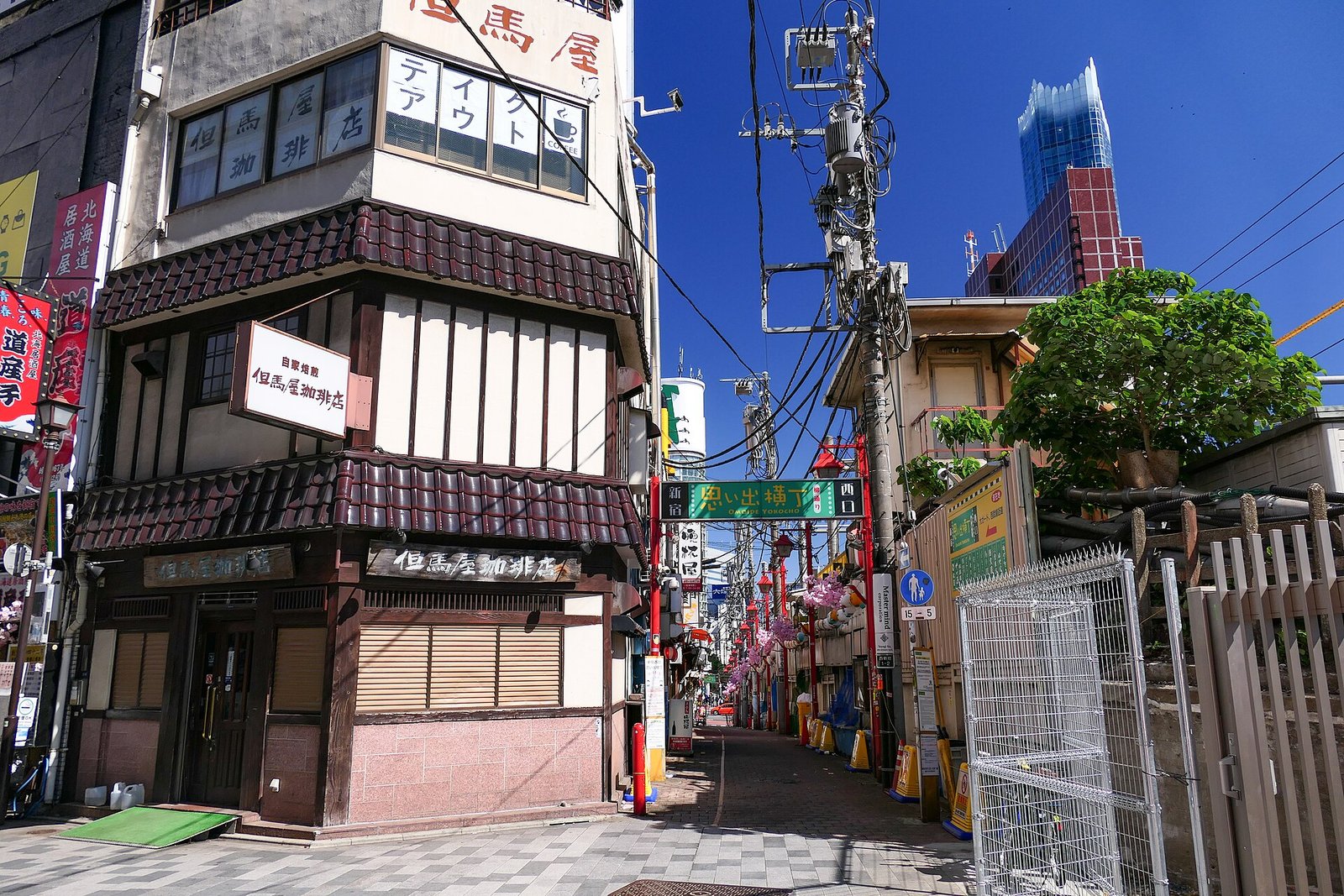
| Omoide Yokocho | Yakitori and beer in a smoke-filled alley of 60 tiny bars | ¥2,500 to ¥4,000 |
| Golden Gai | 200 shoebox bars across six alleys. Some charge a cover of ¥500 to ¥1,500 | ¥3,000 to ¥5,000 |
| Isetan depachika | The best food hall in Japan, arguably | ¥1,000 to ¥3,000 |
| Standing soba at Shinjuku Station | Under ¥600, done in eight minutes | ¥400 to ¥600 |
Golden Gai note: some bars post an English sign welcoming visitors, others do not. The ones that do not are not being rude; they are regulars-only bars with eight seats. Respect the sign.
Shibuya, Ebisu and Nakameguro
Shibuya is where you eat quickly between other things. Ebisu, one stop south, is where Tokyo residents actually go for dinner: Ebisu Yokocho for a cheap and rowdy food court, and a dense concentration of small restaurants around the station. Nakameguro along the canal is the coffee and small-plates district.
Tsukiji and Toyosu
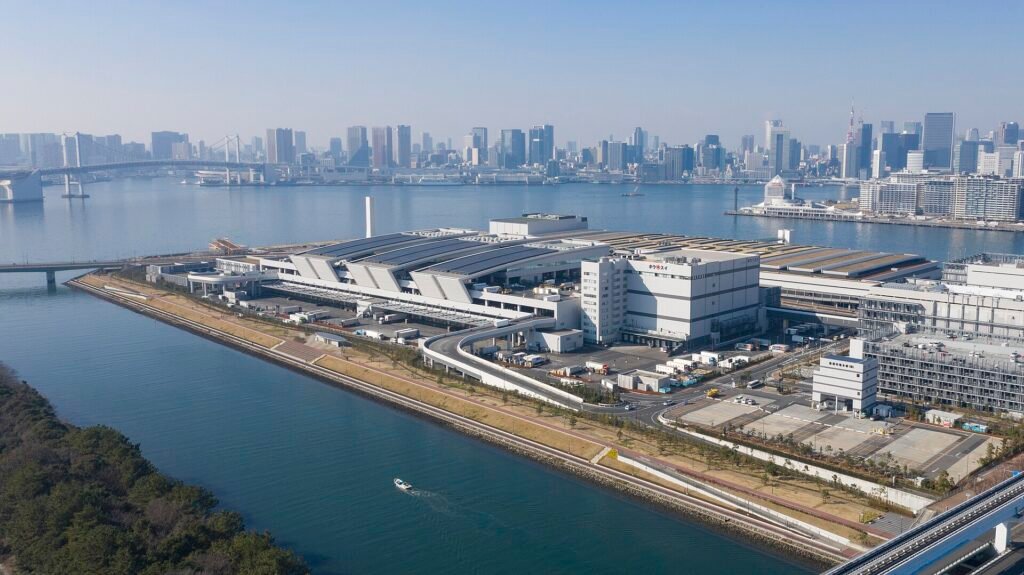
The inner market moved to Toyosu in 2018. The outer market at Tsukiji is still open and is where most visitors want to be anyway: tamagoyaki on a stick, grilled scallops, knife shops, uni over rice.
Toyosu is for two things: the tuna auction viewing deck from 05:30, free, and the sushi counters upstairs, ¥3,000 to ¥6,000 for a breakfast omakase at 06:30 that would cost triple in Ginza at night.
Ginza
Department store basements, and the highest concentration of expensive counters in the city. This is where the lunch-set trick pays off most. Also worth knowing: Ginza’s Chuo-dori closes to traffic on weekend afternoons, which makes the walk between food halls considerably more pleasant.
Asakusa and Ueno
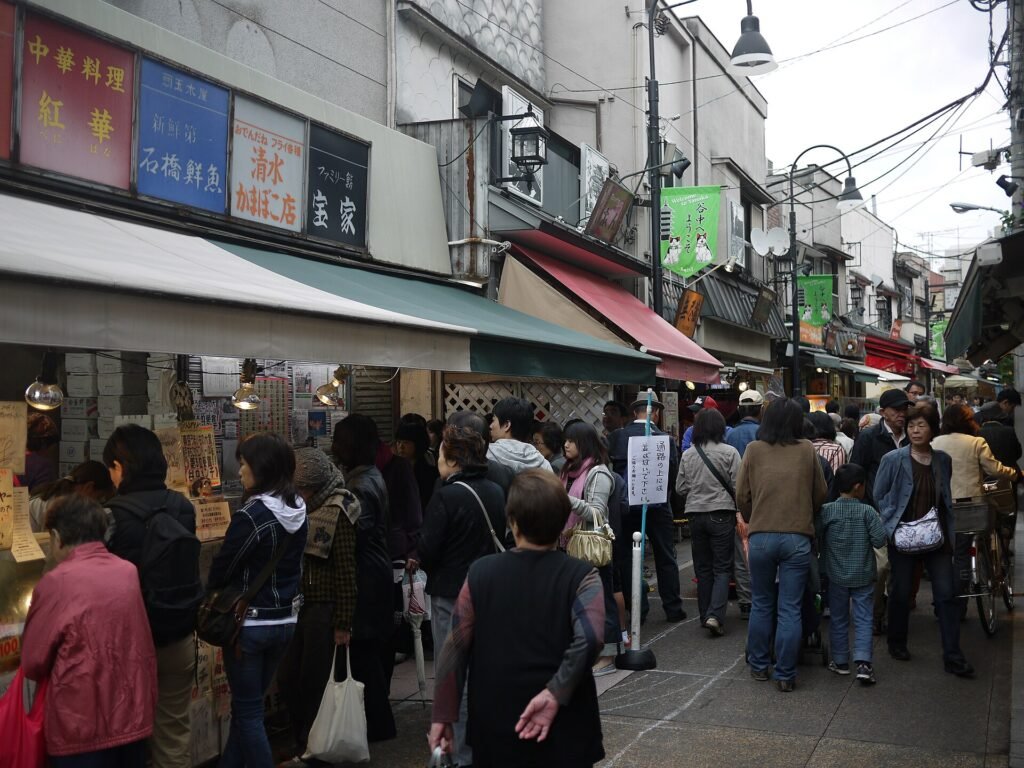
Old Tokyo eating. Nakamise Street for melon pan, ningyo-yaki and senbei. Ameyoko market in Ueno for cheap seafood bowls, kebabs and standing bars under the train tracks. Yanaka Ginza, twenty minutes north, for croquettes and the best low-key shopping street in central Tokyo.
Shimokitazawa and Koenji
Curry, coffee and live music. Shimokitazawa’s curry scene is genuinely a thing, with an annual curry festival, and prices sit at ¥1,000 to ¥1,500. Koenji is the same energy with more records and cheaper beer.
Nishi-Ogikubo and Kichijoji
Where you go when you have already done Shibuya twice. Kichijoji’s Harmonica Yokocho is a compressed alley of about 100 tiny bars and food stalls, and the Inokashira Park side has the Ghibli Museum, which requires a lottery ticket booked months ahead.
Tokyo ramen, by style
| Style | Broth | Where |
|---|---|---|
| Shoyu | Soy, clear, chicken and dashi | The Tokyo default |
| Tsukemen | Noodles and dipping broth separate | Tokyo invention. Try it in Ikebukuro |
| Abura soba | No broth at all, oil and tare | Musashino origin, Koenji and Kichijoji |
| Tonkotsu | Pork bone, opaque | Fukuoka style, everywhere in Tokyo now |
| Miso | Fermented soybean | Sapporo style, common in winter |
Ordering: ticket machine at the door, cash, press your choice, hand the ticket to the counter, sit. No conversation required. Slurping is normal.
Drinking in Tokyo
| Drink | Price |
|---|---|
| Draft beer, izakaya | ¥500 to ¥700 |
| Convenience store beer | ¥220 to ¥300 |
| Highball | ¥400 to ¥600 |
| Sake by the glass | ¥600 to ¥1,200 |
| Japanese whisky | ¥800 to ¥2,500 |
| Cocktail, Ginza bar | ¥1,800 to ¥3,000 |
| Kissaten hand-drip coffee | ¥500 to ¥900 |
Nomihodai, all you can drink, runs ¥1,500 to ¥2,500 for 90 to 120 minutes at izakaya. Otoshi, the compulsory ¥300 to ¥500 appetiser, appears on almost every izakaya bill and is a cover charge, not a mistake.
The one scam in Tokyo: Kabukicho touts who steer visitors into bars producing ¥50,000 bills. Never follow anyone into a building, and never accept a street invitation.
Booking
| Type | How far ahead |
|---|---|
| Ramen, soba, gyudon, kaiten | Never. Queue |
| Izakaya | Weekends only |
| Mid-range sushi counter | 1 to 2 weeks |
| Michelin-starred | 1 to 3 months, via your hotel |
| Toyosu breakfast counters | Turn up before 07:00 |
Many top Tokyo restaurants will not accept bookings from foreign phone numbers. Ask your hotel concierge to call; it is a routine request.
Dietary restrictions in Tokyo
Tokyo is the easiest city in Japan for this, which is not the same as easy.
| Need | Reality in Tokyo |
|---|---|
| Vegetarian | Manageable. Dashi (bonito stock) is in most broths, so ask. Shojin ryori and a real vegan scene exist |
| Vegan | Tokyo has genuine vegan restaurants, concentrated in Shibuya, Nakameguro and Asakusa |
| Gluten-free | Hard. Soy sauce contains wheat. Tamari-based restaurants are rare but exist |
| Halal | Growing, especially around Okachimachi and Shinjuku. Use a halal restaurant app |
| Shellfish allergy | Difficult. Dashi and many sauces contain seafood derivatives |
Carry a printed allergy card in Japanese. Tokyo restaurants take them seriously.
Frequently asked questions
How much should I budget for food per day in Tokyo? About ¥3,000 eating from convenience stores and cheap counters, ¥6,500 mid-range with one proper dinner, ¥14,000 if you eat well twice a day. A ramen lunch at ¥1,100 and a depachika bento at ¥1,500 is a perfectly good day for under ¥3,500.
Where do I eat the best sushi in Tokyo without spending ¥30,000? Toyosu market counters at 06:30, where a breakfast omakase runs ¥3,000 to ¥6,000, or a Michelin-starred counter’s lunch set at ¥8,000 to ¥12,000. Kaiten chains like Sushiro and Kura are ¥1,500 to ¥3,000 and genuinely good.
Is Tsukiji still worth visiting? Yes. The inner wholesale market moved to Toyosu in 2018, but the outer market at Tsukiji is still open and is the part visitors actually want: street food, knife shops, tamagoyaki stalls.
Do Tokyo restaurants take credit cards? Chains, hotels, department stores and mid-range restaurants, yes. Ramen shops with ticket machines, small izakaya and market stalls often do not. Carry ¥15,000 to ¥20,000.
What is otoshi and why am I being charged for it? A small compulsory appetiser at izakaya, ¥300 to ¥500 per person. It functions as a cover charge. It is normal, not a scam.
Can I eat well in Tokyo as a vegetarian? Yes with effort. The obstacle is dashi, made from bonito, which is in most broths and simmered dishes. Tokyo has real vegan restaurants and shojin ryori temple cuisine, unlike much of the country.
How do I order in a ramen shop? Ticket machine at the door, cash, press your choice, hand the ticket over the counter, sit down. No conversation needed.
Is convenience store food actually good in Japan? Yes. Egg sandwiches, onigiri, karaage and winter oden at 7-Eleven, Lawson and FamilyMart are things Tokyo residents eat by choice. A ¥500 breakfast is normal and good.
A note on our numbers
Prices were checked against menus, chain price lists and market rates in August 2026. Ranges reflect real variation between venues rather than uncertainty. If a price has moved, tell us and we will correct it.
Keep reading: Tokyo Travel Guide 2026 · How Much Does a Trip to Tokyo Cost? · 7-Day Tokyo Itinerary · Japan Food Guide
Tokyo’s food calendar
Tokyo eating changes with the season more than visitors expect, and menus shift without announcement. Knowing what is in season tells you what a restaurant is proud of that month.
| Season | What appears | Where |
|---|---|---|
| Spring, Mar to May | Sakura mochi, bamboo shoots, firefly squid, strawberries at their peak | Depachika, kaiseki lunch sets |
| Early summer, Jun to Jul | Cold soba, hiyayakko tofu, ayu sweetfish, unagi before Doyo no Ushi day | Soba specialists, izakaya |
| Summer, Aug | Kakigori shaved ice, hiyashi chuka cold ramen, edamame and beer gardens | Rooftop beer gardens, ¥4,000 to ¥5,500 all-in |
| Autumn, Sep to Nov | Matsutake mushrooms, sanma pike, chestnuts, new-crop rice | Kaiseki, izakaya, department store basements |
| Winter, Dec to Feb | Oden, nabe hotpot, fugu, crab, oysters, amazake at shrines | Convenience stores for oden, specialist nabe restaurants |
Two seasonal notes worth planning around. Rooftop beer gardens run roughly May to September on department store roofs across Shinjuku, Ikebukuro and Ginza, cost ¥4,000 to ¥5,500 for a two-hour all-you-can-eat-and-drink slot, and are almost entirely a domestic phenomenon. Oden at convenience stores appears around October and disappears in March; a bowl of assembled items runs ¥400 to ¥700 and is the cheapest hot meal in the city.
Eating alone, which Tokyo does better than anywhere
Solo dining carries no social weight in Tokyo. Several formats are actively designed for it.
| Format | What it is | Price |
|---|---|---|
| Ichiran ramen | Individual booths with a partition and a paper order form. No eye contact required | ¥1,000 to ¥1,500 |
| Standing soba | Eight minutes, no seat, no conversation | ¥400 to ¥600 |
| Counter izakaya | One seat at the bar, order dish by dish | ¥2,500 to ¥4,000 |
| Kaiten sushi | Touchscreen ordering, plates by the belt | ¥1,500 to ¥3,000 |
| Depachika plus a park bench | Assemble your own meal, eat outside | ¥1,000 to ¥2,000 |
| Family restaurants | Saizeriya, Gusto, Jonathan’s. Cheap, open late, no pressure | ¥800 to ¥1,500 |
If you are travelling alone and dreading dinner, this is the city that solves it.
Late-night eating
Tokyo’s last trains run roughly midnight to 00:30 and there is no night service, which shapes where people eat after 22:00.
| Option | Hours | Price |
|---|---|---|
| Yokocho alleys (Omoide, Golden Gai, Nonbei) | To 03:00 or later | ¥3,000 to ¥5,000 |
| Ramen shops near stations | Many to 02:00 or 24h | ¥900 to ¥1,400 |
| Izakaya chains (Torikizoku, Watami) | To 02:00 | ¥2,500 to ¥3,500 |
| Convenience stores | 24h | ¥400 to ¥800 |
| Family restaurants | Many 24h | ¥800 to ¥1,500 |
| Karaoke with food, overnight package | 23:00 to 05:00 | ¥2,500 to ¥4,000 |
The practical rule: decide before 23:30 whether you are catching the last train or staying out until 05:00. The middle option, a taxi at ¥4,000 to ¥8,000 across central Tokyo, is the expensive one.
Reading a Tokyo restaurant from the outside
Tokyo restaurants tell you almost everything before you open the door, if you know what to look for. This is the skill that separates people who eat well in Tokyo from people who eat at chains because they could not read the signals.
| Signal | What it means |
|---|---|
| Plastic food display (sampuru) in the window | Tourist-friendly and honest. Point at what you want. Prices are on the models |
| Ticket machine by the door | Ramen, soba, curry, gyudon. Cash, no conversation, fast |
| Noren curtain hanging | The kitchen is open. Curtain down or removed means closed, whatever the hours say |
| Red lantern (akachochin) | Izakaya, cheap and unpretentious, often excellent |
| A queue of office workers at 12:15 | The best possible signal. Join it |
| No English menu, six seats, one chef | Either the best meal of your trip or an awkward twenty minutes. Say sumimasen and point |
| Photographs of the chef with celebrities | Usually a sign of a place trading on the past |
| A menu in five languages on the street | Almost always worse than the shop next door |
Tabelog scores work differently from Google reviews: 3.5 is genuinely good, 3.8 is excellent, and anything above 4.0 is among the best in the country. A 3.2 is not a bad restaurant. Japanese reviewers do not give fives.
Ordering without Japanese
The five phrases that cover almost every situation:
| Phrase | When |
|---|---|
| Sumimasen | To get attention. Use it before everything else |
| Kore o kudasai (pointing) | “This one, please” |
| Osusume wa nan desu ka | “What do you recommend?” Often produces the best dish on the menu |
| Okaikei onegaishimasu | “The bill, please” |
| Gochisousama deshita | Said on leaving. Always noticed |
Beyond that: point at the plastic models, use Google Translate’s camera on the menu, and accept that “omakase” means the chef chooses and is usually the right answer at a counter.
Where Tokyo residents actually eat
The honest answer is not the Michelin list. It is:
- Chain izakaya on weeknights, because they are ¥2,500 and open until 02:00. Torikizoku’s entire menu is a fixed price per item.
- Standing bars (tachinomi) under railway arches in Yurakucho, Shimbashi and Koenji, ¥1,500 to ¥2,500 for beer and small plates.
- The office building basement at lunch, where set meals run ¥900 to ¥1,300.
- Convenience stores, without embarrassment, for breakfast.
- Family restaurants with children, because they have high chairs and no time pressure.
- Depachika on the way home, especially after 19:00.
If you want to eat like a Tokyo resident rather than like a Tokyo guidebook, that list is more accurate than any restaurant recommendation.
Coffee in Tokyo, which is two separate scenes
Tokyo has one of the best coffee cultures in the world and it runs on two parallel tracks that barely acknowledge each other.
| Kissaten | Third wave | |
|---|---|---|
| Era | 1950s to 1980s, still operating | 2010s onwards |
| Method | Hand-dripped, often siphon, dark roast | Single origin, light roast, pour-over or espresso |
| Room | Velour seats, wood panelling, sometimes smoking | Concrete, plywood, natural light |
| Pace | Unhurried. Nobody will move you on | Also unhurried, but with laptops |
| Price | ¥500 to ¥900, ¥900 to ¥1,400 with toast | ¥600 to ¥900 |
| Where | Jimbocho, Ginza, Kanda, Asakusa | Kiyosumi-Shirakawa, Nakameguro, Sangenjaya |
The kissaten morning set (morning service) is one of Japan’s better deals: order a coffee before about 11:00 and thick-cut toast, a boiled egg and sometimes salad arrive with it at no extra charge. It is standard in Nagoya and common in Tokyo.
Kiyosumi-Shirakawa became Tokyo’s coffee district after Blue Bottle opened its first Japanese roastery there in 2015, and a dozen independents followed. It pairs well with the ¥150 Kiyosumi Teien garden across the road.
Vending machines, which are genuinely useful
There are roughly one for every 23 people in Japan and they are part of the infrastructure rather than a novelty.
| Typical price | ≈ ¥216, up from ¥160 to ¥180 in October 2025 |
| Payment | Coins, notes, and IC cards at most machines |
| Hot drinks | Red label or a red band under the price, roughly October to April |
| What to look for | Corn soup in winter, Boss coffee, Pocari Sweat, and unbranded local drinks in rural machines |
| Where they are | Everywhere, including mountain trails and residential side streets |
The rule that catches people out: do not walk away drinking. There is a bin beside almost every machine, and finishing your drink there before moving on is the expected behaviour.
Kansai: Kyoto and Osaka
Tokyo is only half a first trip to Japan. Two hours and fifteen minutes west, the Golden Route continues.
- Kyoto Travel Guide 2026 — the lodging tax that now reaches ¥10,000 a night, and the bus pass that no longer exists
- The Perfect 3-Day Kyoto Itinerary — built around two dawn starts
- Where to Stay in Kyoto — now the most expensive bed in Japan
- How Much Does a Trip to Kyoto Cost?
- The Best Things to Do in Kyoto — including the temples that are closed for restoration
- Osaka Travel Guide 2026 — why the Expo site is shut and the Amazing Pass still wins
- The Perfect 2-Day Osaka Itinerary
- Where to Stay in Osaka — Umeda or Namba, decided
- The Best Things to Do in Osaka
- Best Day Trips from Osaka and Kyoto — Nara, Kobe, Himeji, Koyasan