
In short
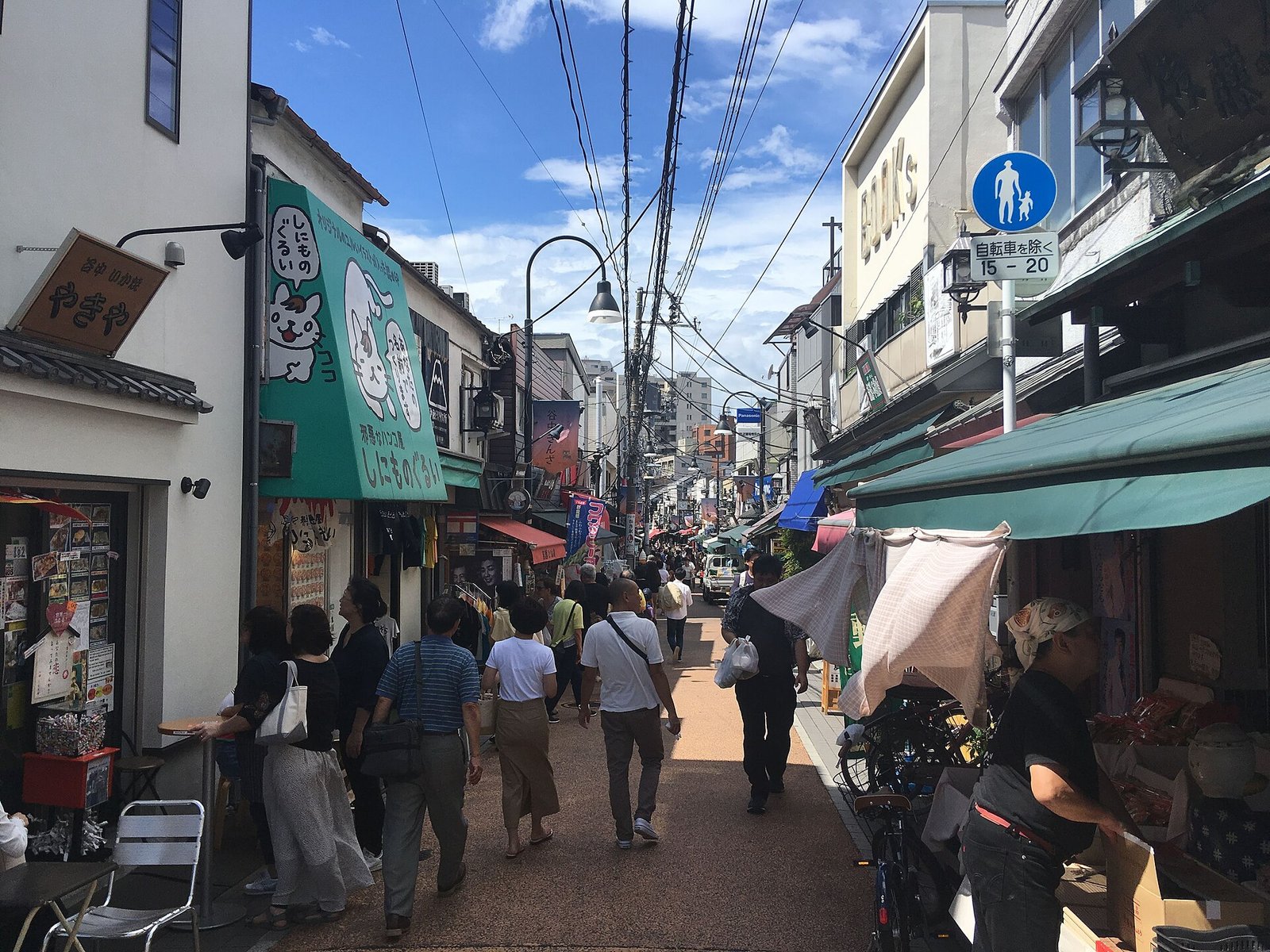
Twelve places Tokyo residents actually use, with the station, the cost and the reason each stays quiet. Most are free — Yanaka is the pattern: Nippori or Sendagi station, free to walk, croquettes ¥150, coffee ¥500, quiet because it sits two stops past Ueno and has no single famous building to draw a queue.
Checked on the ground rules and operator pages, August 2026.
Tokyo’s genuinely quiet places are rarely secret. They are just inconvenient, unphotogenic from the outside, or two stops past where visitors stop going. Every entry below has an address you can put into Google Maps, a 2026 price, and an honest reason it is not crowded.
We have also listed the “hidden gems” other Tokyo guides still recommend that have been shut for years.
What is in this guide
- 1. Yanaka and Nezu, the low city that survived
- 2. Todoroki Valley, Setagaya
- 3. Gotokuji Temple, the actual maneki-neko temple
- 4. Shimokitazawa’s second-hand streets
- 5. Koenji, records and Showa-era shopping streets
- 6. Public sento bathhouses
- 7. Kiyosumi Teien and the Fukagawa side
- 8. Rikugien in late November
- 9. Harmonica Yokocho, Kichijoji
- 10. Nakameguro canal, off-season
- 11. Toyosu tuna auction viewing deck at 05:30
- 12. The Metropolitan Government observatories at night
- Places other guides still call hidden gems
- Getting to all of these
- Frequently asked questions
- A note on our numbers
- Four quiet half-days, assembled
- What each of these costs, at a glance
- Photography, and the rules people break
- Six more, if you have been to Tokyo before
- Tokyo’s green spaces, ranked by what they cost
- A note on crowd timing
- Kansai: Kyoto and Osaka
Verified: 18 August 2026 · Exchange rate: ¥159.21 = 1 USD
Editor’s note
Hidden gem usually means was quiet until it appeared on a list. For each place below we have included the reason it stays quiet, whether that is awkward transport, short opening hours or the simple absence of an obvious photograph, because that reason is what keeps it that way.
1. Yanaka and Nezu, the low city that survived
Bombing and earthquakes flattened most of old Tokyo. Yanaka survived. Wooden houses, a 7,000-grave cemetery under cherry trees, resident cats, and a shopping street where the croquette shop has a queue of locals rather than tourists.
| Nearest station | Nippori (Yamanote) or Sendagi (Chiyoda) |
| Cost | Free. Croquettes ¥150, coffee ¥500 |
| Best time | Weekday morning, or during cherry blossom for the cemetery |
| Why it stays quiet | It is two stops past Ueno and has no single famous building |
Nezu Shrine, ten minutes’ walk, has a miniature torii tunnel and an azalea garden that peaks in April at ¥500 entry.
2. Todoroki Valley, Setagaya
A one-kilometre wooded ravine with a stream, inside the Tokyo city limits, ten minutes from Jiyugaoka. The temperature drops noticeably as you descend the steps.
| Nearest station | Todoroki (Tokyu Oimachi line) |
| Cost | Free. Tea house ¥800 |
| Best time | Summer, for the temperature drop; November for maple |
| Why it stays quiet | Setagaya is residential and no tourist route passes through it |
3. Gotokuji Temple, the actual maneki-neko temple
Thousands of white beckoning-cat figurines stacked on shelves in a temple courtyard, left by visitors whose wishes were granted. This is the claimed origin of the lucky cat, and unlike almost anything else in Tokyo with this much visual payoff, it is free.
| Nearest station | Gotokuji (Odakyu) or Miyanosaka (Setagaya line) |
| Cost | Free. A cat figurine ¥500 to ¥5,000 |
| Best time | Early morning for photographs |
| Why it stays quiet | It is 20 minutes west of Shinjuku, which is 15 minutes past where most visitors stop |
4. Shimokitazawa’s second-hand streets
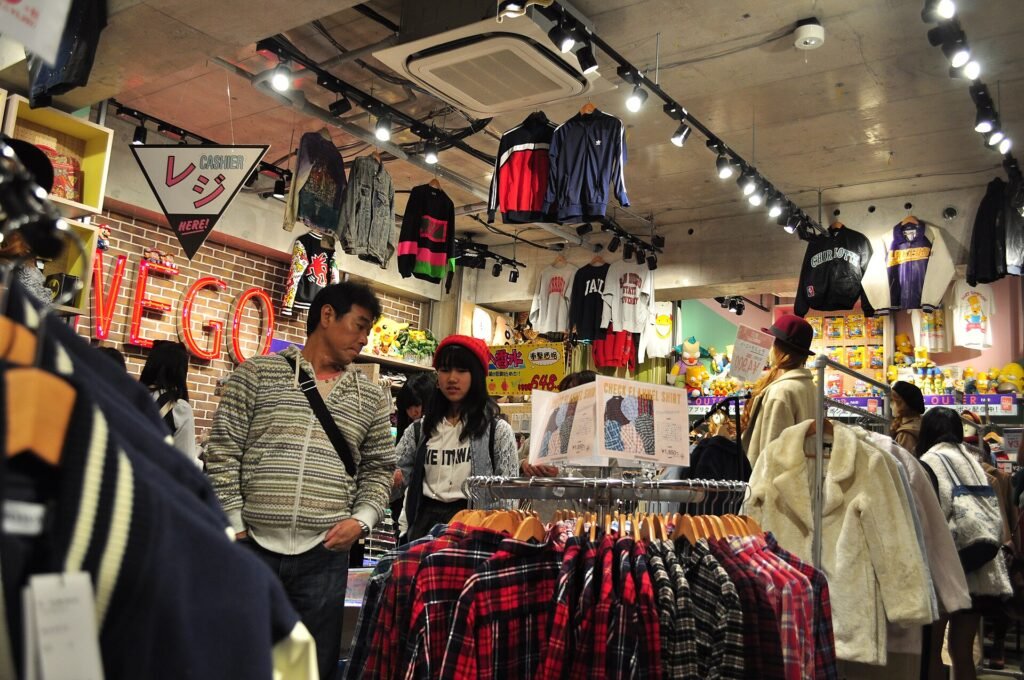
Two stops from Shibuya, and a completely different city. Vintage clothing, small live houses, independent coffee and the densest curry scene in Tokyo.
| Nearest station | Shimokitazawa (Keio Inokashira, Odakyu) |
| Cost | Free to wander. Curry ¥1,000 to ¥1,500, coffee ¥600 |
| Best time | Weekday afternoon |
| Why it stays quiet | It is not quiet at weekends. Go on a Tuesday |
5. Koenji, records and Showa-era shopping streets
Koenji is Shimokitazawa without the write-ups: record shops, punk venues, covered shopping arcades that have not changed since the 1970s, and standing bars under the Chuo line tracks.
| Nearest station | Koenji (Chuo, Sobu) |
| Cost | Free. Standing bar ¥1,500 to ¥2,500 |
| Best time | Evening |
| Why it stays quiet | No landmark, no listing, nothing to photograph from outside |
6. Public sento bathhouses
Not onsen resorts. Neighbourhood bathhouses, often with a painted Mt Fuji mural above the tubs, where people still go because their flat has a small bath.
| Cost | ¥600, raised from ¥550 on 1 August 2026 |
| Towel and soap rental | ¥100 to ¥300 |
| Notable | Takara-yu in Kita-Senju, Daikoku-yu in Oshiage, Kosugi-yu in Koenji |
| Tattoos | Many sento are relaxed about this; onsen resorts are stricter. Ask, or look for a tattoo-friendly listing |
The price is set by the Tokyo Metropolitan Government, so it is the same everywhere in the city.
7. Kiyosumi Teien and the Fukagawa side
An Edo-period stroll garden built around a pond crossed by stepping stones, in a part of east Tokyo most visitors never reach. The neighbourhood around it, Kiyosumi-Shirakawa, is Tokyo’s coffee district.
| Nearest station | Kiyosumi-Shirakawa (Oedo, Hanzomon) |
| Kiyosumi Teien | ¥150 |
| Museum of Contemporary Art Tokyo | ¥500 to ¥1,500 depending on exhibition |
| Why it stays quiet | East of the river, and no famous single sight |
¥150 is not a typo. Tokyo’s municipal gardens are among the best value in the city.
8. Rikugien in late November
A 300-year-old landscape garden that runs an evening illumination for about two weeks at peak maple. It is well known to Tokyo residents and almost unknown to visitors.
| Nearest station | Komagome (Yamanote, Namboku) |
| Entry | ¥300, illumination period ¥900 |
| Best time | Mid to late November, evenings |
| Why it stays quiet | A two-week window, and everyone flies to Kyoto for foliage instead |
9. Harmonica Yokocho, Kichijoji
About a hundred tiny bars, food stalls and shops packed into a grid of alleys next to Kichijoji station, named because it looks like a harmonica’s reeds from above. Inokashira Park is across the road.
| Nearest station | Kichijoji (Chuo, Keio Inokashira) |
| Cost | ¥2,500 to ¥4,000 for an evening |
| Best time | 18:00 onwards |
| Why it stays quiet | Kichijoji is 15 minutes past Shinjuku, and most visitors only come for the Ghibli Museum |
10. Nakameguro canal, off-season
Everyone knows it in cherry blossom week. Almost nobody comes the other fifty-one weeks, when it is a quiet canal lined with small shops, coffee roasters and the low-key restaurants Tokyo residents actually book.
| Nearest station | Nakameguro (Hibiya, Tokyu Toyoko) |
| Cost | Free. Coffee ¥600, dinner ¥3,000 to ¥5,000 |
| Best time | Any week that is not late March |
| Why it stays quiet | Its reputation is entirely seasonal |
11. Toyosu tuna auction viewing deck at 05:30
The wholesale market moved from Tsukiji in 2018 and the auction is still there, viewable from an upper deck. It is free, it starts before dawn, and almost nobody does it twice.
| Nearest station | Shijo-mae (Yurikamome) |
| Upper viewing deck | Free, no booking |
| Lower observation deck (closer) | Free, lottery, apply about a month ahead |
| Sushi breakfast upstairs | ¥3,000 to ¥6,000 |
| Why it stays quiet | 05:30 |
12. The Metropolitan Government observatories at night
Two 202-metre observation decks, free, open until 22:00, in Shinjuku. Shibuya Sky costs ¥2,500 and Skytree ¥2,400 to ¥2,600. This costs nothing and has a comparable view west toward Fuji on a clear evening.
| Nearest station | Tochomae (Oedo), or 10 min walk from Shinjuku |
| Cost | Free |
| Open | To 22:00, check which tower is open that day |
| Why it stays quiet | People assume free means worse |
Places other guides still call hidden gems
| Still recommended | Reality |
|---|---|
| Oedo-Onsen Monogatari, Odaiba | Permanently closed, 5 September 2021 |
| Robot Restaurant, Shinjuku | Closed. Samurai Restaurant took the space |
| teamLab Borderless, Odaiba | Moved to Azabudai Hills |
| Yokohama Landmark Tower Sky Garden | Closed until at least 2028 |
| MariCar go-karting | Lost the Nintendo case, now Street Kart, no costumes |
| Tsukiji inner market | Toyosu since 2018. The outer market is still open and still good |
| Tokyo Disney free Priority Pass | Ends 31 August 2026 |
| DisneySea Fantasy Springs virtual queue | Dropped since 1 April 2025 |
Getting to all of these
Nine of the twelve are on the Yamanote loop or one transfer from it. Note that the Tokyo Subway Ticket does not cover JR lines, so it does not cover the Yamanote. For a day built around Yanaka, Rikugien and Koenji, an IC card is cheaper.
JR fares rose 7.8 per cent on 14 March 2026, the first increase in 39 years, and the Yamanote cheap-fare band was abolished, so short central hops cost more than your guidebook says. Tokyo Station to Ikebukuro went from ¥208 to ¥253.
More on which pass pays off in Tokyo Travel Tips 2026.
Frequently asked questions
What is the most underrated neighbourhood in Tokyo? Yanaka, for wooden houses and a cemetery under cherry trees, or Kiyosumi-Shirakawa, for a ¥150 Edo garden and Tokyo’s best coffee. Both are two stops past where most visitors stop going.
Are there free things to do in Tokyo? Many. The Metropolitan Government observatories (202 m, open to 22:00), Sensoji, Meiji Jingu, Gotokuji’s thousands of lucky cats, Todoroki Valley, the Toyosu tuna auction upper deck and every yokocho alley cost nothing.
Is Tsukiji still worth visiting? Yes. The inner wholesale market moved to Toyosu in 2018, but the outer market at Tsukiji is still open, and it is the part with the street food, knife shops and tamagoyaki stalls.
Where can I see Tokyo from above for free? The Tokyo Metropolitan Government Building’s twin observatories in Shinjuku, 202 metres, open until 22:00, no ticket. Shibuya Sky at ¥2,500 has the better open-air deck if you want to pay.
How much does a public bathhouse cost in Tokyo? ¥600, raised from ¥550 on 1 August 2026. The price is set city-wide by the Metropolitan Government. Towel and soap rental adds ¥100 to ¥300.
Can I visit these places with tattoos? Neighbourhood sento are often relaxed about tattoos; onsen resorts are stricter. Everything else on this list is outdoors or public and has no restriction.
Which of these work in the rain? Harmonica Yokocho, the sento, the Museum of Contemporary Art, Shimokitazawa’s covered arcades, Koenji’s shopping streets and the Metropolitan Government observatories.
Do any of these need booking? Only the Toyosu lower observation deck, which runs a lottery about a month ahead. The free upper deck needs nothing.
A note on our numbers
Entry fees and transport costs were checked against operator and municipal sources in August 2026, including the 1 August sento price rise and the 14 March JR fare increase. If something has moved, tell us and we will fix it.
Keep reading: Tokyo Travel Guide 2026 · 7-Day Tokyo Itinerary · Where to Stay in Tokyo · Where to Eat in Tokyo
Four quiet half-days, assembled
The entries above work better strung together than visited one at a time. Each of these is a half day, uses one transport zone, and costs under ¥2,000 excluding food.
The old city: Yanaka, Nezu, Sendagi
Start at Nippori around 09:00. Walk down through the cemetery, along Yanaka Ginza for a croquette, then south to Nezu Shrine and its torii tunnel. Finish with coffee in a converted bathhouse. About three hours, ¥500 for Nezu’s azalea garden in April, otherwise free.
The west: Gotokuji, Shimokitazawa, Shibuya
Gotokuji first thing for the lucky cats in morning light. Two stops on the Setagaya line, then the Odakyu to Shimokitazawa for curry and second-hand shops. Continue to Shibuya if you want the contrast, which is stark. Four hours, free apart from food.
The east: Kiyosumi, Fukagawa, Toyosu
Kiyosumi Teien at ¥150, coffee in Kiyosumi-Shirakawa, the Museum of Contemporary Art, then the Yurikamome out to the bay. Half a day, under ¥2,000.
The green half-day: Todoroki, Jiyugaoka, Nakameguro
Todoroki Valley for the ravine and the temperature drop, Jiyugaoka for patisseries, then Nakameguro along the canal. Best in summer for the shade or November for the maple. Free.
What each of these costs, at a glance
| Place | Entry | Transport zone |
|---|---|---|
| Yanaka and Nezu | Free (Nezu garden ¥500 in April) | Yamanote / Chiyoda |
| Todoroki Valley | Free | Tokyu Oimachi |
| Gotokuji | Free | Odakyu / Setagaya |
| Shimokitazawa | Free | Keio Inokashira |
| Koenji | Free | Chuo |
| Public sento | ¥600 | Citywide |
| Kiyosumi Teien | ¥150 | Oedo / Hanzomon |
| Rikugien | ¥300, ¥900 during illumination | Yamanote |
| Harmonica Yokocho | Free to enter | Chuo / Inokashira |
| Nakameguro canal | Free | Hibiya / Toyoko |
| Toyosu auction deck | Free | Yurikamome |
| Metropolitan Government decks | Free | Oedo |
Nine of the twelve are free. The most expensive is a public bath at ¥600. This is the argument for spending a day away from the paid attractions: the observation deck at ¥2,500 and the art museum at ¥3,800 are good, but they are not four times better than this list.
Photography, and the rules people break
- Gion-style photo bans do not apply in Tokyo, but private residential lanes in Yanaka and Kagurazaka are still people’s homes. Do not photograph through windows or into doorways.
- Sento and onsen: no cameras or phones in the changing room or bath area, ever. This is absolute.
- Toyosu auction: photography from the upper deck is fine. Flash is not.
- Shrines and temples: the grounds are fine, the inner sanctuary usually is not. Look for the crossed-camera sign.
- Tripods are banned in most Tokyo parks and gardens without a permit, including Rikugien during the illumination.
Six more, if you have been to Tokyo before
13. Kagurazaka
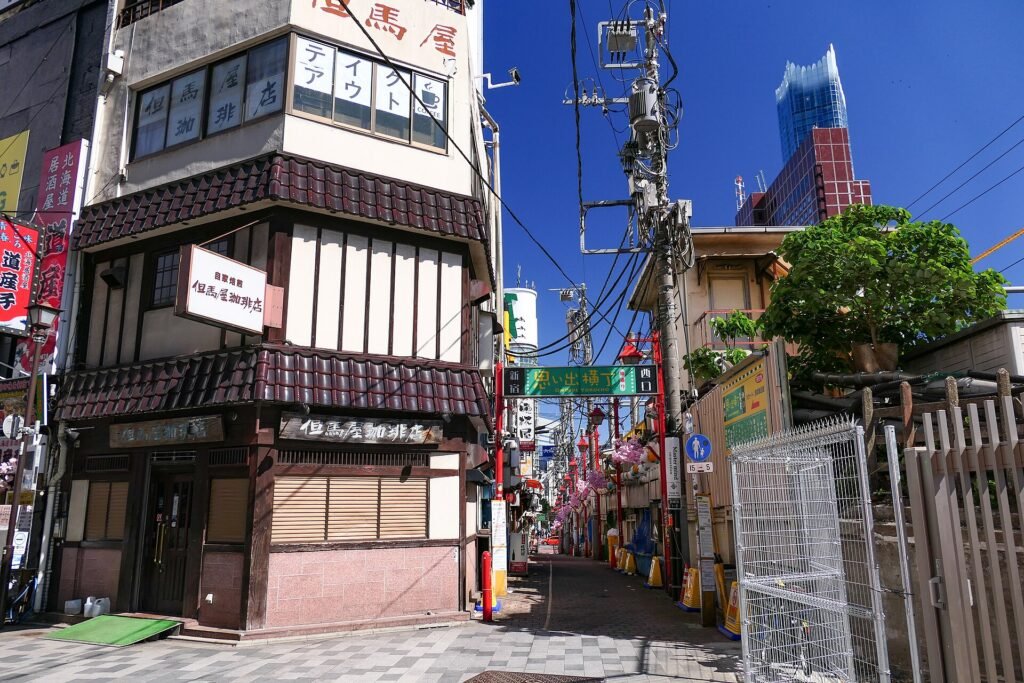
A hillside of stone-paved alleys behind Iidabashi, historically a geisha district and now the closest Tokyo gets to a French quarter, thanks to the nearby Lycée Français. Small restaurants, a hidden shrine, and lanes too narrow for cars.
| Nearest station | Kagurazaka (Tozai) or Iidabashi |
| Cost | Free to wander. Dinner ¥3,000 to ¥6,000 |
| Best time | Evening, when the lanterns come on |
| Why it stays quiet | No landmark. It is a set of alleys, not a sight |
14. Nezu Museum garden, Aoyama
A private collection of Asian art with a 17,000 square metre garden behind it, containing stone lanterns, tea houses and a pond, two minutes from the Omotesando crowds.
| Nearest station | Omotesando |
| Entry | ¥1,300 to ¥1,600 depending on exhibition |
| Best time | Weekday, late afternoon |
| Why it stays quiet | It is behind a wall on a street people walk past to reach the shops |
15. Kappabashi kitchen street
Two kilometres of shops selling professional knives, ceramics, cast iron and the plastic food models that appear in restaurant windows. This is where Tokyo’s restaurants buy their equipment.
| Nearest station | Tawaramachi (Ginza) or Asakusa |
| Cost | Free to browse. Knives ¥8,000 to ¥40,000 |
| Best time | Weekday morning. Many shops close Sundays |
| Why it stays quiet | It is a trade street, ten minutes from Sensoji, and most visitors never turn the corner |
16. Ikegami Honmonji
A large temple complex in southern Tokyo with a five-storey pagoda from 1608, one of the oldest surviving structures in the city, on a hill with a long stone staircase.
| Nearest station | Ikegami (Tokyu Ikegami line) |
| Entry | Free |
| Best time | Autumn, or the Oeshiki festival in October |
| Why it stays quiet | It is 25 minutes south of Shinagawa on a line no visitor rides |
17. Tokyo’s remaining kissaten
Showa-era coffee houses with velour seats, hand-dripped coffee, cigarette smoke in some, and a pace that predates wifi. They are closing steadily as owners retire.
| Where | Jimbocho, Ginza, Asakusa, Kanda |
| Cost | ¥500 to ¥900 for coffee, ¥900 to ¥1,400 for a set with toast |
| Best time | Mid-morning, unhurried |
| Why it stays quiet | Third-wave coffee shops absorbed the attention |
18. Jimbocho, the second-hand book district
About 130 bookshops in a few blocks, many specialising: one for art, one for cinema posters, one for foreign-language first editions. Curry restaurants outnumber cafés, for historical reasons no one can fully explain.
| Nearest station | Jimbocho (Hanzomon, Mita, Shinjuku lines) |
| Cost | Free to browse. Curry ¥900 to ¥1,400 |
| Best time | Weekday afternoon. Many shops close Sundays |
| Why it stays quiet | Most of the stock is in Japanese, so visitors assume there is nothing for them. The art and photography shops disagree |
Tokyo’s green spaces, ranked by what they cost
Tokyo’s municipal gardens are among the best value of anything in the city, and almost all of them are quieter than the parks visitors are sent to.
| Garden | Entry | Nearest station | Why go |
|---|---|---|---|
| Kiyosumi Teien | ¥150 | Kiyosumi-Shirakawa | Stepping stones across a pond, Edo stroll design |
| Kyu-Shiba-rikyu | ¥150 | Hamamatsucho | A 17th-century garden surrounded by office towers |
| Rikugien | ¥300, ¥900 during illumination | Komagome | The best maple in Tokyo, two weeks in November |
| Koishikawa Korakuen | ¥300 | Iidabashi | Older than Rikugien, next to the baseball dome |
| Hama-rikyu | ¥300 | Shiodome | Tidal seawater pond, tea house on an island, ¥850 for matcha |
| Shinjuku Gyoen | ¥500 | Shinjuku-gyoenmae | Three garden styles in 58 hectares. Alcohol banned, which keeps hanami calm |
| Nezu Museum garden | ¥1,300+ | Omotesando | Behind a wall, two minutes from the Omotesando crowds |
| Meiji Jingu inner garden | ¥500 | Harajuku | Irises in June, and the well Tokyo residents queue for |
| Yoyogi Park | Free | Harajuku | Loud, busy, and the best people-watching in the city |
| Institute for Nature Study | ¥320 | Meguro | Deliberately unlandscaped woodland. Entry capped at 300 people |
The last one is the closest thing Tokyo has to a wild forest inside the 23 wards, and the visitor cap means it is never crowded.
A note on crowd timing
The difference between a quiet Tokyo and a crowded one is usually two hours, not two neighbourhoods.
| Place | Quiet | Crowded |
|---|---|---|
| Sensoji | Before 08:00, after 20:00 | 10:00 to 17:00 |
| Shibuya crossing | Before 09:00 | 17:00 to 21:00 |
| Meiji Jingu | Before 09:00 | Weekend middays |
| Toyosu market | 05:30 to 07:00 | After 09:00 |
| Shinjuku Gyoen | Weekday mornings | Cherry blossom weekends |
| Yanaka | Weekday mornings | Sunday afternoons |
| Shimokitazawa | Weekday afternoons | Saturday afternoons |
| Depachika | 10:00 to 11:00 | 17:00 to 19:00 |
Kansai: Kyoto and Osaka
Tokyo is only half a first trip to Japan. Two hours and fifteen minutes west, the Golden Route continues.
- Kyoto Travel Guide 2026 — the lodging tax that now reaches ¥10,000 a night, and the bus pass that no longer exists
- The Perfect 3-Day Kyoto Itinerary — built around two dawn starts
- Where to Stay in Kyoto — now the most expensive bed in Japan
- How Much Does a Trip to Kyoto Cost?
- The Best Things to Do in Kyoto — including the temples that are closed for restoration
- Osaka Travel Guide 2026 — why the Expo site is shut and the Amazing Pass still wins
- The Perfect 2-Day Osaka Itinerary
- Where to Stay in Osaka — Umeda or Namba, decided
- The Best Things to Do in Osaka
- Best Day Trips from Osaka and Kyoto — Nara, Kobe, Himeji, Koyasan