In short
What is worth your time in Kyoto, with the cost and the time each actually takes. Fushimi Inari is the template: free, five minutes from Kyoto Station on the JR Nara Line (¥150), 45 minutes to the Yotsutsuji viewpoint or two to three hours for the full loop. The time column is the one that decides an itinerary, and it is the one most lists leave out.
Fees and journey times verified against operator and temple pages, August 2026.
Disclosure: some links in this guide are affiliate links. If you book through one, we earn a small commission and you pay exactly the same price. We only link to services we would use ourselves, no brand pays for placement or for a favourable write-up, and every price in this article was researched independently.
Kyoto has seventeen UNESCO World Heritage sites and roughly 1,600 temples, which is a genuinely unhelpful fact when you have three days. So let us be useful instead: here is what is worth your time, what is worth your money, what to do at what hour, and what you can comfortably skip.
What is in this guide
- 1. Fushimi Inari, before eight in the morning
- 2. Kiyomizu-dera and the slopes below it
- 3. Arashiyama, and specifically the north gate
- 4. Sanjusangendo, the one people forget
- 5. Kinkaku-ji or Ginkaku-ji — and why you might now choose
- 6. Nijo Castle and the floors that sing
- 7. Nishiki Market
- 8. The gardens most visitors never enter
- 9. Seeing geiko and maiko, legitimately
- 10. A tea ceremony, properly
- Festivals worth planning a trip around
- What we would skip
- Frequently asked questions
- A note on our numbers
- Booking Kyoto: what actually needs a reservation
- Before you book
We have ordered this by what we would actually do first, not by fame.
Verified: August 2026 · Exchange rate: ¥159.21 = 1 USD
Editor’s note
Our test for everything below was simple: would we send a friend back a second time? Fushimi Inari yes, at seven in the morning, before the tour groups arrive. Kinkaku-ji once, for fifteen minutes — it is a photograph you take and leave. Nishiki Market has become a snack arcade rather than a market. The ranking follows that test, not fame.
1. Fushimi Inari, before eight in the morning
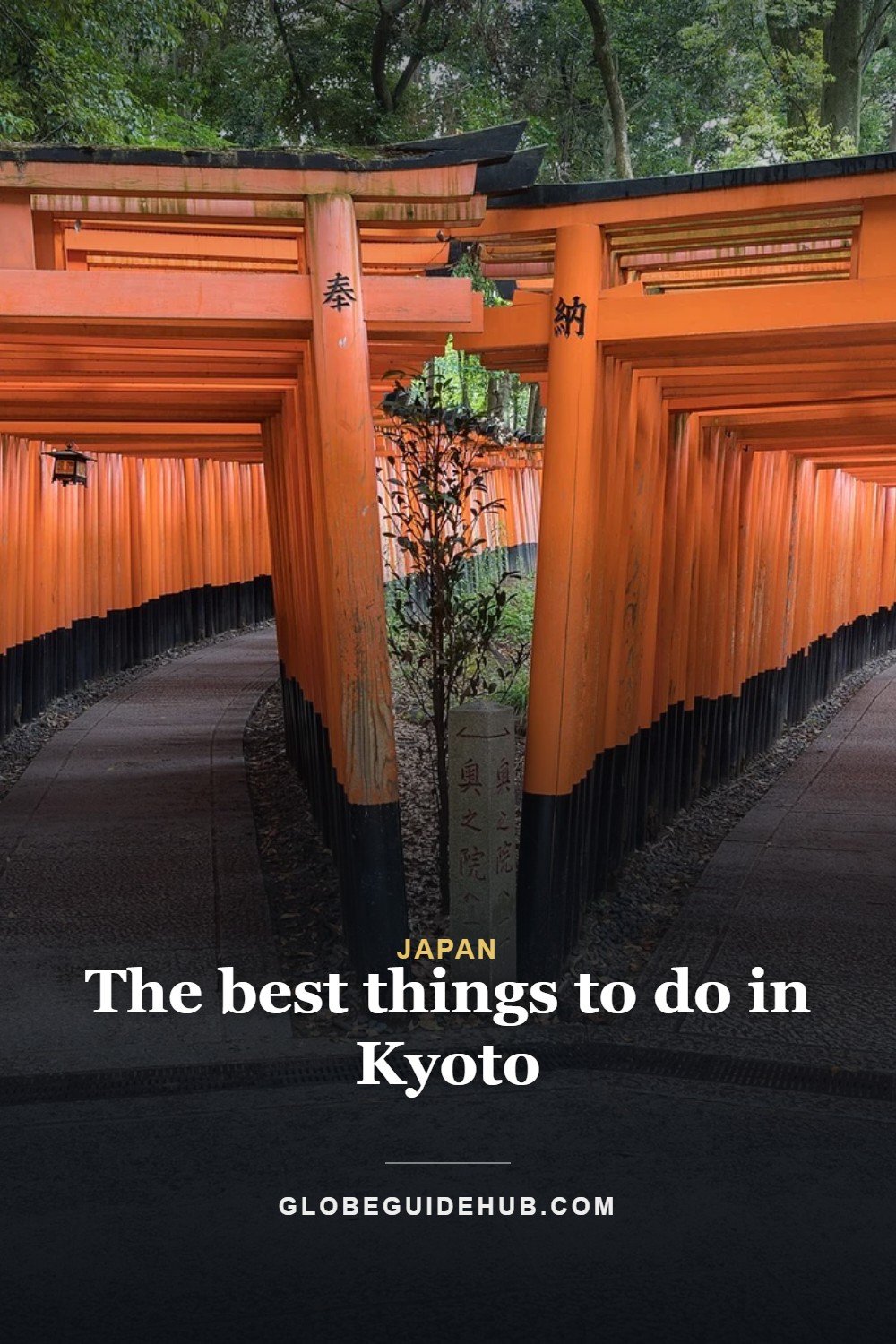
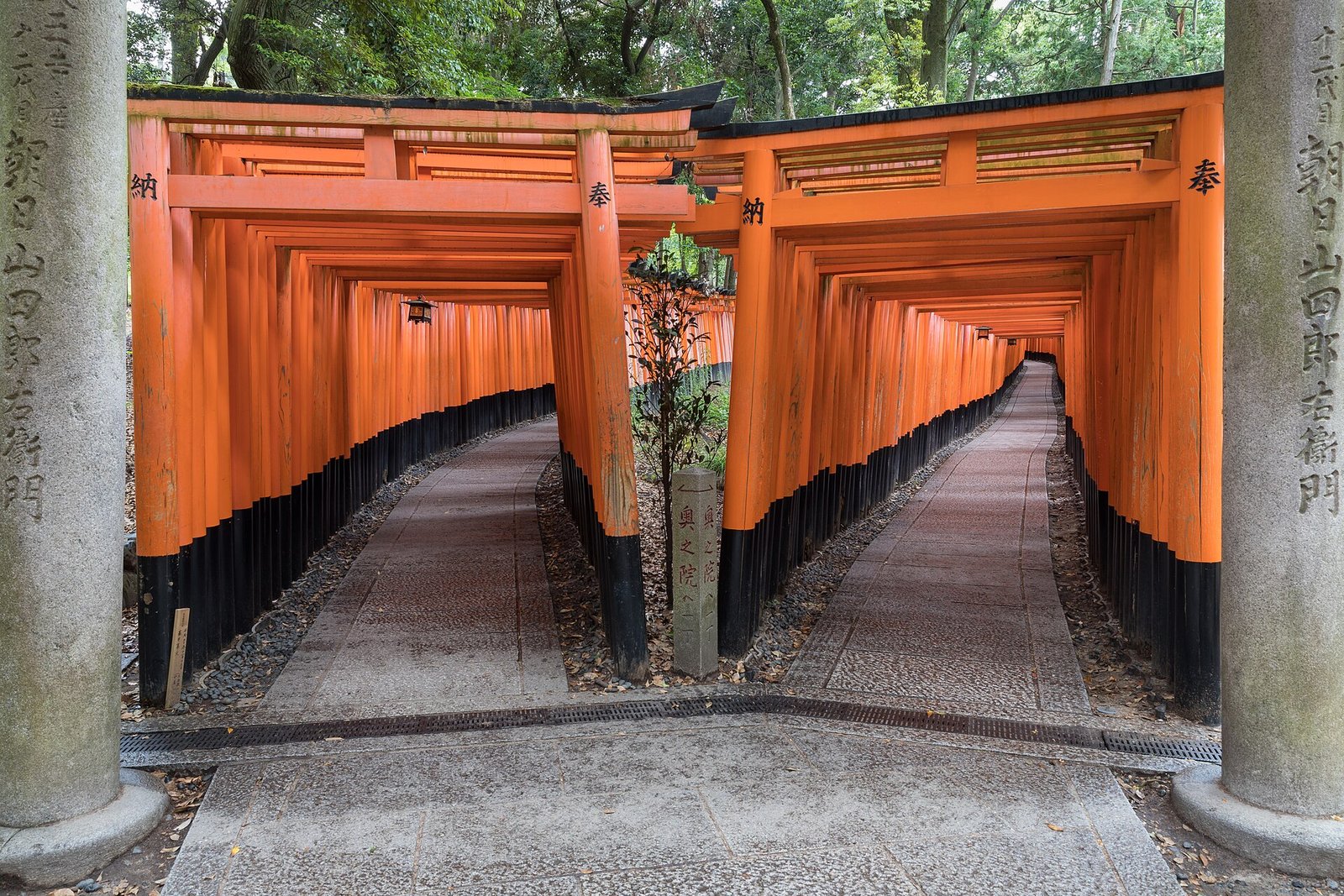
Ten thousand vermilion torii climbing a mountain, free, open twenty-four hours, no gate and no ticket.
| Price | Free |
| Getting there | JR Nara Line to Inari (5 min from Kyoto Station, ¥150), or Keihan to Fushimi-Inari |
| Time needed | 45 min to the Yotsutsuji viewpoint, 2 to 3 hours for the full loop |
| Go at | Before 8:00. Second best: after 16:00 |
Here is the trick almost nobody uses: most visitors turn back at the Yotsutsuji junction, about 45 minutes up, where there is a city view and a cluster of tea stalls. Walk past it and the crowd essentially disappears, even at midday. The upper loop is quieter, more atmospheric and has small moss-covered shrine clusters that never appear in anyone’s photographs.
If you do only one thing in Kyoto, do this, and do it at dawn.
2. Kiyomizu-dera and the slopes below it
The great wooden stage, rebuilt without a single nail, jutting out over a hillside of maples. The multi-year restoration is finally finished — the scaffolding is gone and the stage is fully open.
| Price | ¥500 |
| Opens | 6:00 — the earliest major site in Kyoto |
| Time needed | 1 to 2 hours including the approach streets |
| Go at | 6:00 to 7:30. After 10:00 the approach is shoulder-to-shoulder |
The temple is only half of it. Sannenzaka and Ninenzaka, the stone-stepped lanes below, are the most photographed streets in Japan for a reason, and at seven in the morning you will have them almost alone with the shopkeepers setting up.
One correction: Jishu Shrine, the “love shrine” inside the complex with the two stones you walk between with your eyes closed, has been closed since August 2022 for restoration. It is still in nearly every guidebook. Do not plan around it.
3. Arashiyama, and specifically the north gate
The bamboo grove is 400 metres long, free, ungated and — let us be honest — completely overwhelmed between 10:00 and 15:00. It is still worth going. You just have to go early.
| Bamboo grove | Free, no gate |
| Tenryu-ji garden | ¥500, +¥300 for the buildings |
| Iwatayama Monkey Park | ¥800 |
| Getting there | JR Sagano Line to Saga-Arashiyama, 15 min from Kyoto Station |
| Go at | Before 8:00, or after 18:00 with a torch |
The north gate trick: enter the grove via Tenryu-ji’s north exit rather than the main entrance near the station. It skips the bottleneck entirely and puts you halfway along the path.
While you are there, the Iwatayama Monkey Park is an honest 20-minute climb up a hillside and the reward is a troop of macaques and the best free view over Kyoto. Most people skip it because of the climb. Their loss.
Do not plan around Arashiyama Hanatoro — the winter bamboo illumination was discontinued after 2021 and still appears on travel sites.
4. Sanjusangendo, the one people forget
A 120-metre hall containing 1,001 gilded statues of Kannon, ranked in ten rows, each with a slightly different face, plus 28 guardian deities carved in the 12th and 13th centuries.
| Price | ¥600 |
| Getting there | Bus from Kyoto Station, 10 min, or 20 min walk |
| Time needed | 45 minutes |
| Photography | Not permitted inside |
No photographs are allowed, which is precisely why it stays uncrowded and precisely why it stays memorable. You cannot Instagram it, so you simply stand there and look. It is, quietly, the most extraordinary interior in Kyoto.
5. Kinkaku-ji or Ginkaku-ji — and why you might now choose
| Kinkaku-ji (Golden) | Ginkaku-ji (Silver) | |
|---|---|---|
| Price | ¥500 | ¥1,000 — doubled |
| What it is | Gold-leafed pavilion on a pond | A wooden pavilion, never actually silver |
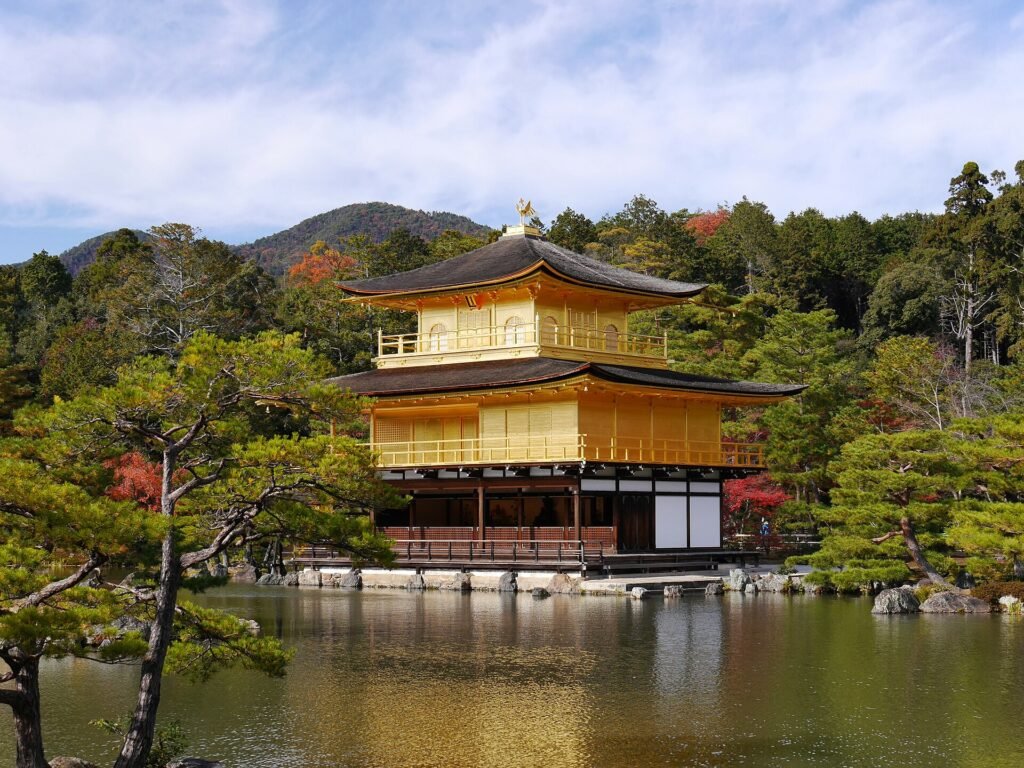
| Best for | The photograph | The walk, moss garden, hillside view |
| Time | 45 min, it is a one-way loop | 1 hour |
| Crowds | Heavy all day | Heavy but more spread out |
Ginkaku-ji doubled from ¥500 to ¥1,000 — its first rise in 32 years, and every guidebook still prints the old figure. It is a genuinely lovely garden with the finest moss floor in the city. But at twice the price of Kinkaku-ji, it is now a choice rather than an automatic yes.
Our honest take: Kinkaku-ji is a photograph you take and leave. Ginkaku-ji is a place you walk around. If you have time for one and you like gardens, pay the ¥1,000. If you want the picture, ¥500 buys it.
Ginkaku-ji also anchors the Philosopher’s Path, a two-kilometre canal-side walk lined with cherry trees, which is free and lovely and connects you south towards Nanzen-ji.
6. Nijo Castle and the floors that sing
The Tokugawa shoguns’ Kyoto residence, with nightingale floors engineered to chirp under footsteps so no one could approach silently. It works, and it is delightful.
| Castle grounds | ¥800 |
| Castle + Ninomaru Palace | ¥1,300 |
| Honmaru Palace | ¥1,000 extra, advance reservation required |
| Closed | Various Tuesdays in Jan, Jul, Aug and Dec; 29–31 Dec |
Pay the ¥1,300. The grounds without the Ninomaru Palace interior are just a garden with a moat; the painted sliding screens and the chirping corridors are the whole point.
7. Nishiki Market
A five-block covered arcade of about 130 stalls, sometimes called Kyoto’s kitchen. Pickles, tofu skin, grilled scallops, tamagoyaki on a stick, knife shops that have been sharpening for two centuries.
| Price | Free to enter; ¥200 to ¥800 per snack |
| Hours | Most shops 10:00 to 18:00; fishmongers from ~8:00 |
| Go at | Before 11:00. It becomes a slow-moving crush by midday |
The one rule: do not eat while walking. The market association asks you to eat in front of or inside the shop you bought from. There is no fine, it is just what everyone does, and the stalls all have a small standing counter for exactly this.
8. The gardens most visitors never enter
Kyoto’s municipal and temple gardens are absurdly good value and consistently the quietest thing you can do.
| Garden | Price | Why |
|---|---|---|
| Ryoan-ji | ¥600 | The rock garden. Fifteen stones, and you can never see all fifteen at once |
| Tenryu-ji | ¥500 | 700-year-old pond garden, original design, Arashiyama |
| Nanzen-ji Hojo | ¥600 | Plus the brick aqueduct outside, which is free and wonderfully out of place |
| Kodai-ji | ¥800 | Bamboo grove, tea houses, excellent autumn illumination |
| Kennin-ji | ¥800 | Kyoto’s oldest Zen temple, twin dragons on the ceiling |
| Saiho-ji (Moss Temple) | From ¥4,000 | 120 species of moss. Booking opens 2 months out, card only, age 13+ |
| Katsura Imperial Villa | ¥1,000 | The finest garden architecture in Japan. Book 3 months ahead, or queue at 08:40 for one of 70 same-day places |
Note Nanzen-in, the aqueduct-side sub-temple, is closed until spring 2027.
9. Seeing geiko and maiko, legitimately
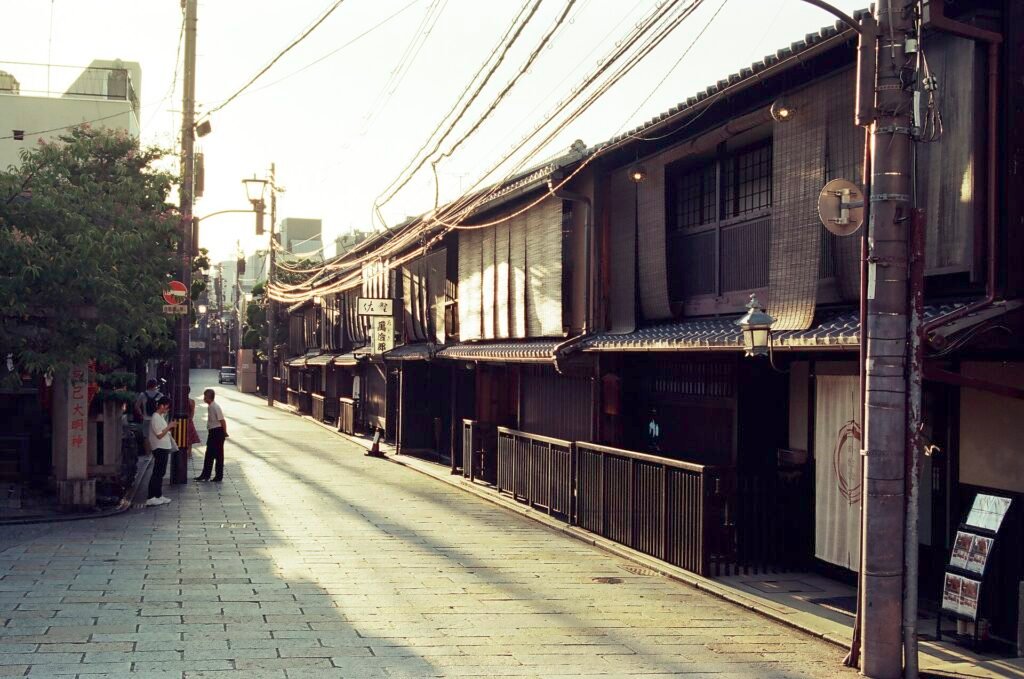
Let us be direct: standing in Gion hoping to photograph a maiko hurrying to an appointment is not an activity, it is a nuisance. There are three honest ways to actually watch them perform.
| Option | Price | When |
|---|---|---|
| Gion Corner | ¥5,500 adult | Daily, 18:00 and 19:00, ~50 min. Seven traditional arts in one show |
| Miyako Odori, Gion Kobu | ¥2,000 to ¥7,000 | 1 to 30 April |
| Kyo Odori, Miyagawa-cho | ¥6,000 to ¥7,000 | 4 to 19 April |
| Kamogawa Odori, Pontocho | ¥4,000 to ¥7,000 | 5 to 22 May |
| Kitano Odori, Kamishichiken | ¥6,000 to ¥7,000 | 20 March to 2 April |
| Gion Odori, Gion Higashi | ¥6,000 to ¥7,000 | 1 to 10 November |
The seasonal *odori* are the real thing — full geiko and maiko dance programmes staged by each district. Gion Corner is the tourist-friendly compressed version and is genuinely a good introduction if your dates do not line up.
Private *ozashiki* dinners with geiko exist but the traditional teahouses operate on introduction only. Hotel concierges and a handful of licensed operators can arrange them; expect a large four-figure yen sum per person and confirm the price in writing first.
10. A tea ceremony, properly
| Format | Price |
|---|---|
| Group ceremony, English-guided | ¥4,000 to ¥5,000 per person |
| Private ceremony | ¥10,000 to ¥18,000 per person |
| Kimono rental add-on | ~¥6,000 |
| Casual matcha at a temple tea house | ¥400 to ¥800 |
If ¥4,000 feels steep, the third option is genuinely lovely and almost nobody does it: many temples serve matcha and a sweet in a tatami room overlooking their garden for well under ¥1,000. Daisen-in at Daitoku-ji charges ¥400.
Festivals worth planning a trip around
| Festival | 2026 date | What it is |
|---|---|---|
| Aoi Matsuri | 15 May | 500 people in Heian court dress, 36 horses, palace to shrine |
| Gion Matsuri | Parades 17 July, 09:00 and 24 July, 09:30 | The biggest festival in Japan. Grandstand seats ¥6,000 to ¥8,000 |
| Gozan Okuribi | 16 August, from 20:00 | Five mountain bonfires lit in sequence. A funeral rite, not a fireworks show |
| Jidai Matsuri | 22 October | 2,000 people, costumes spanning a thousand years of history |
What we would skip
Being useful means saying this part out loud.
- Kyoto Tower. ¥900 for a view of a city with no skyline. The free observation floors of Kyoto Station’s building next door are better.
- A rickshaw ride in Arashiyama at ¥3,000 to ¥9,000, unless you specifically want the photographs. You are paying to be pulled 400 metres through a crowd.
- Trying to see Kinkaku-ji, Ryoan-ji and Ninna-ji all in one afternoon. They are on the same bus route and every guide bundles them. You will see three gates and remember none of them.
- Any “geisha spotting tour.” See above.
Frequently asked questions
What is the number one thing to do in Kyoto? Fushimi Inari before 8:00. It is free, it is open all night, and the difference between 6:30 and 11:00 is the difference between a mountain shrine and a queue.
How many temples should I visit in a day? Two or three, plus a garden and a neighbourhood walk. Four is the point at which they stop being distinct and start being a blur.
Is Ginkaku-ji worth ¥1,000 now? If you like gardens, yes — the moss floor and the hillside path are the best walking experience of the major sites. If you mainly want a photograph, Kinkaku-ji at ¥500 gives you a better one.
Do I need to book anything in Kyoto? Only Katsura Imperial Villa (3 months ahead, or queue for one of 70 same-day tickets from 08:40), Saiho-ji moss temple (2 months, card only, age 13+), Nijo’s Honmaru Palace, and the spring and autumn odori dance performances. Everything else you simply turn up to.
What is free in Kyoto? Fushimi Inari, the Arashiyama bamboo grove, the Kyoto Imperial Palace, the Philosopher’s Path, every shrine approach, Nishiki Market, the Nanzen-ji aqueduct and the Kamo riverbanks. You could fill two very good days without paying an entry fee.
When do the autumn colours peak? Mid to late November in the city, one to two weeks earlier in the northern mountains around Takao. Evening illuminations run at several temples through late November — check dates before booking, as most confirm only a few weeks ahead.
Can I photograph geisha in Gion? Not on the private alleys off Hanamikoji, where a residents’ association imposes a ¥10,000 penalty. Hanamikoji itself is a public street. The simpler rule: photograph the architecture, not the people.
Is Nishiki Market worth it? Yes, before 11:00. After midday it is a slow-moving crowd and the good stalls have queues.
A note on our numbers
Admission prices, opening hours and closures were checked against temple and city sources in August 2026. Kyoto temples revise fees on fixed dates and several major sites are under multi-year restoration, so we have flagged the closures explicitly rather than leaving you to find the locked gate yourself.
Keep reading: Kyoto Travel Guide 2026 · The Perfect 3-Day Kyoto Itinerary · Where to Stay in Kyoto · How Much Does a Trip to Kyoto Cost?
Booking Kyoto: what actually needs a reservation
Most of Kyoto does not. Fushimi Inari is free and open around the clock. Kinkaku-ji is 500 yen at the gate and has never sold out. The Arashiyama bamboo path is a public road. If you land in Kyoto with nothing booked at all, you will still see almost everything on this list.
Four things are the exception, and they are worth ten minutes before you fly.
Anything with a fixed departure time. The Hozugawa river boat, cooking classes, tea ceremonies in a real machiya, and small-group walking tours run on set schedules with a hard headcount. In the first two weeks of April and the last three of November they fill a week or more ahead. Browse Kyoto experiences on KKday or compare the same categories on Klook. The two platforms carry overlapping inventory from the same local operators and the price gap runs 10-15 percent either way, so opening both is worth the extra minute.
Kimono rental during sakura and koyo. Shops around Gion and Kiyomizu-dera run out of the good stock by mid-morning in peak weeks. Outside those weeks, walk in.
The airport transfer, but only if you land late. The Haruka limited express from Kansai to Kyoto Station takes 80 minutes and costs about 3,600 yen. Take it. It runs until roughly 22:30, and if your flight lands after that your options collapse to a bus or a car. That is the one case where a pre-booked Kansai to Kyoto transfer earns its price. If you land before 21:00 and book a car anyway, you have paid several times the train fare for the same journey.
Data, if you want it working the moment you land. An eSIM activates before you board. Worth knowing: for stays longer than about two weeks, a physical prepaid SIM from a Kansai Airport counter often costs less per gigabyte. Trip length decides this, not convenience.
One thing you cannot pre-book anywhere. The Nintendo Museum in Uji sells tickets by monthly lottery through its own site only. Any reseller offering guaranteed entry is not selling you a real ticket.
Skip pre-booking entirely for: temple and shrine entry, Nishiki Market, Philosopher’s Path, Gion in the evening, the Kyoto Imperial Palace grounds, and every one of the free walking routes above. Buying a ticket ahead for these buys you nothing.
Before you book
Kyoto rewards early starts more than guides, but if you want the history without a group timetable, a self-guided audio walk through Higashiyama or Fushimi Inari costs a few euros and lets you arrive at six in the morning, which no scheduled tour will do.
Save this for later