
In short
For most Tokyo trips the pass does not pay. An IC card at ¥178–324 a ride beats every subway pass on a typical three- to four-day visit. The 48-hour Tokyo Subway Ticket (¥1,500) is the usual sweet spot when a pass does win, breaking even at about seven rides; the 24-hour version (¥1,000) needs four to five subway rides in one heavy sightseeing day.
Fares checked after the 14 March 2026 rise, August 2026.
Tokyo rewards preparation more than almost any city on earth, and punishes outdated information more than most. Fares rose 7.8 per cent in March 2026, taxis went up 10 per cent in April, and several attractions that still appear in guides have been closed for years.
These are the tips that hold up in August 2026, with the numbers to check them against.
What is in this guide
- Transport
- Money
- Planning
- On the ground
- Frequently asked questions
- A note on our numbers
- Tokyo by line: how residents actually think about the city
- A week’s worth of rain plans
- Shopping, with the November 2026 change
- What a week in Tokyo actually costs, three ways
- Where the savings actually are
- What is genuinely worth paying for
- Kansai: Kyoto and Osaka
Verified: 18 August 2026 · Exchange rate: ¥159.21 = 1 USD
Editor’s note
A great deal of the Tokyo advice online was accurate in 2019 and has not been checked since. Pass coverage, taxi fares and the rules around tourist IC cards have all moved. Everything on this page has been checked against current figures, and where the old advice is now wrong we have said so plainly.
Transport
1. Skip the pass, unless you have done the maths
| Option | Cost | Break-even | When it wins |
|---|---|---|---|
| IC card, pay as you go | ¥178 to ¥324 per ride | — | Most 3 to 4 day trips |
| Tokyo Subway Ticket 24h | ¥1,000 | 4 to 5 subway rides | One heavy sightseeing day |
| Tokyo Subway Ticket 48h | ¥1,500 | ~7 rides | The usual sweet spot |
| Tokyo Subway Ticket 72h | ¥2,000 | ~9 rides | Subway-heavy every day |
| JR Tokyo Wide Pass 3 days | ¥16,000 | Two covered day trips | Nikko, Kawaguchiko, Karuizawa, GALA Yuzawa |
The critical detail nobody mentions: the Tokyo Subway Ticket does not cover JR, so it does not cover the Yamanote Line. If your days are mostly Yamanote hops between Shibuya, Shinjuku, Ueno and Tokyo Station, the pass is dead money. Stay on the IC card.
The Wide Pass went from ¥15,000 to ¥16,000 on 14 March 2026. It only pays for itself with two proper day trips; one Nikko run alone does not cover it.
2. Get Welcome Suica Mobile before you fly
Four IC options exist now that ordinary Suica is back on sale.
| Card | Deposit | Validity | Foreign card top-up |
|---|---|---|---|
| Suica / PASMO | ¥500, refundable | No expiry | No |
| Welcome Suica physical | None | 28 days | No |
| Welcome Suica Mobile | None | 180 days | Yes |
| Tourist PASMO | None | 28 days | No |
iPhone users should add Welcome Suica Mobile to Apple Wallet at home. It skips the ticket-office queue entirely, has no deposit to reclaim, and tops up with a foreign credit card, which physical cards do not. Android requires a Japan-issued Felica handset, so buy a physical card at the airport.
3. Fly into Haneda if the fare difference is under $60
| From | Service | Fare | Time |
|---|---|---|---|
| Haneda | Keikyu Line | ¥327 | 20 to 30 min |
| Haneda | Monorail | ¥520 | 20 min |
| Narita | Keisei Skyliner | ¥2,580 | 41 min |
| Narita | Narita Express | ¥3,070 | 55 to 80 min |
| Narita | Access Express | ¥1,290 | ~60 min |
The gap is roughly ¥2,250 and half an hour, each way. Narita is 60 km from central Tokyo. Haneda is 15.
4. Know the last train, and what missing it costs
Last trains run roughly 00:00 to 00:30, first trains around 05:00. There is no night service in Tokyo.
| Alternative | Cost |
|---|---|
| Taxi across central Tokyo | ¥4,000 to ¥8,000 |
| Capsule hotel | ¥4,000 to ¥6,000 |
| Manga café overnight | ¥2,000 to ¥3,500 |
| 24h karaoke, overnight package | ¥2,500 to ¥4,000 |
Tokyo taxi rates rose 10 per cent in April 2026: ¥500 for the first 1.096 km, then ¥100 per 232 m, with a late-night surcharge from 22:00 to 05:00.
5. Avoid rush hour with luggage
07:30 to 09:00 and 17:30 to 19:30. On the Chuo and Saikyo lines it is genuinely unpleasant with a suitcase. Women-only carriages operate on many lines during morning rush and are marked in pink on the platform.
Money
6. What actually moved in 2026
| Item | Old | Now | Effective |
|---|---|---|---|
| JR East fares | — | +7.8% | 14 Mar 2026 |
| Tokyo Station to Ikebukuro (JR) | ¥208 | ¥253 | 14 Mar 2026 |
| Yamanote cheap-fare band | Existed | Abolished | 14 Mar 2026 |
| Taxi flagfall | ¥430 | ¥500 / 1.096 km | Apr 2026 |
| Public sento bath | ¥550 | ¥600 | 1 Aug 2026 |
| 7-Eleven coffee | ¥120 | ¥140 | Jul 2026 |
| Vending machine drink | ¥160 to ¥180 | ≈ ¥216 | Oct 2025 |
| Tokyo Wide Pass | ¥15,000 | ¥16,000 | 14 Mar 2026 |
The abolished Yamanote fare band matters more than the headline percentage. Short central hops used to be artificially cheap; now they are priced normally, which is what pushed Tokyo to Ikebukuro up 22 per cent.
7. Lodging tax is charged at check-out
Tokyo currently levies ¥100 per person per night on rooms of ¥10,000 to ¥14,999 and ¥200 above that. From 1 April 2027 this becomes a flat 3 per cent, with an exemption below ¥13,000 and minpaku (private lodging) brought into scope. On a ¥40,000 room, that is ¥1,200 a night rather than ¥200.
Booking sites do not include it. Budget for it.
8. Use convenience store ATMs
7-Eleven and Japan Post ATMs take foreign cards reliably at near-interbank rates. Airport exchange counters do not. Carry ¥15,000 to ¥20,000 in cash for ramen shops with ticket machines, temple entry booths, street food, coin lockers and small izakaya, which are the consistent card-free exceptions.
9. Eat well for very little
| Meal | Cost |
|---|---|
| Convenience store breakfast | ¥400 to ¥600 |
| Standing soba at a station | ¥400 to ¥600 |
| Ramen | ¥900 to ¥1,400 |
| Department store basement bento | ¥1,000 to ¥2,000 |
| Conveyor sushi | ¥1,500 to ¥3,000 |
| Izakaya dinner with drinks | ¥3,500 to ¥5,000 |
Two timing tricks: lunch sets at high-end restaurants cost about a third of the same kitchen’s dinner, and department store basements discount prepared food 30 to 50 per cent after 7pm. One is how you eat a Michelin kitchen’s cooking on a normal budget; the other is how you eat exceptionally well for ¥1,000.
More on where to eat by district in Savoring Tokyo, and the full budget breakdown in How Much Does a Trip to Tokyo Cost?.
Planning
10. Book these, ignore the rest
| Book ahead | Just turn up |
|---|---|
| Ghibli Museum (lottery, months out) | Sensoji, Meiji Jingu, all shrines |
| Shibuya Sky sunset slots (days out) | Metropolitan Government decks, free, open to 10pm |
| teamLab Borderless and Planets | Shinjuku Gyoen, ¥500 |
| Tokyo Skytree | Tokyo Tower |
| Tokyo Disney | Ueno Park museums |
| Popular sushi counters | Standing soba, ramen, izakaya |
Free view tip: the Metropolitan Government Building’s 202-metre observatories cost nothing and stay open until 22:00. If you pay for exactly one view, make it Shibuya Sky for the open-air rooftop deck.
11. Do not go where the doors are locked
| Still in guides | Reality |
|---|---|
| Robot Restaurant | Closed. Samurai Restaurant replaced it |
| Oedo-Onsen Monogatari, Odaiba | Permanently closed, 5 Sep 2021 |
| Yokohama Landmark Tower Sky Garden | Closed until at least 2028 |
| MariCar | Now Street Kart, no Nintendo costumes |
| teamLab Borderless, Odaiba | Moved to Azabudai Hills |
| Tsukiji inner market | Toyosu since 2018; outer market still open |
| Tokyo Disney free Priority Pass | Ends 31 Aug 2026, paid Premier Access from 1 Sep |
| DisneySea Fantasy Springs virtual queue | Dropped, normal queueing since 1 Apr 2025 |
12. One or two districts per day
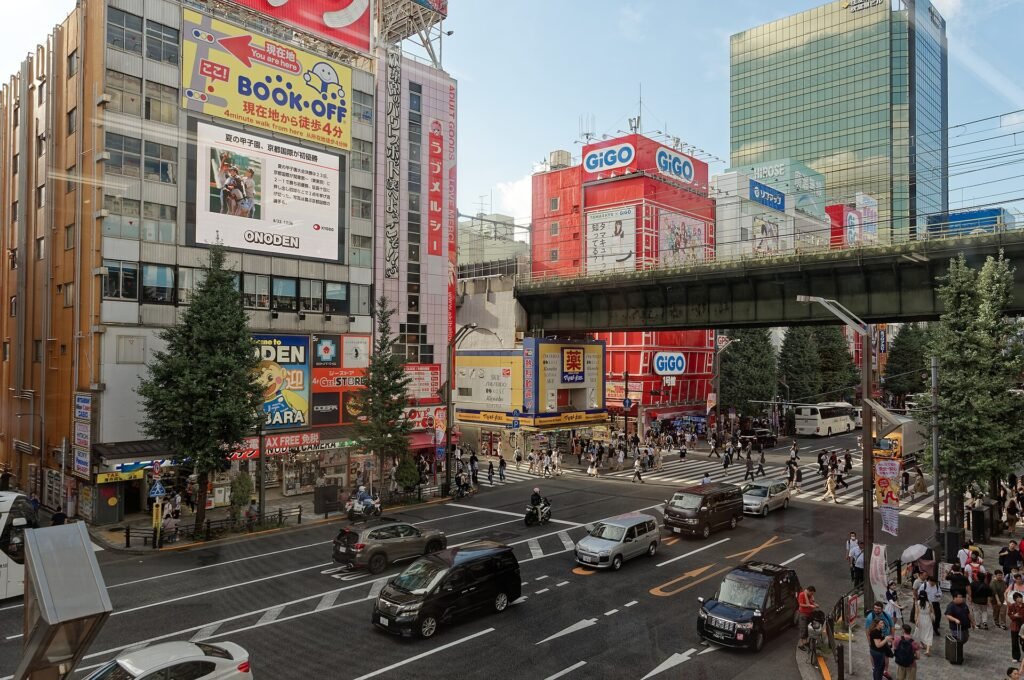
Tokyo is roughly 13 city centres, not one. Shibuya to Asakusa is 12 km. Group your days geographically: west Tokyo (Shibuya, Harajuku, Shinjuku) one day, east Tokyo (Asakusa, Ueno, Yanaka, Akihabara) another. A day-by-day plan is in our 7-day Tokyo itinerary.
13. Go early, or do not go
Sensoji before 8am is a working temple. At 11am it is a queue. Same logic for Shibuya Sky at opening, Toyosu market at 6am, and the Meiji Jingu forest path before 9am.
On the ground
14. Luggage, lockers and forwarding
- Coin lockers ¥400 to ¥1,000, full by 10am at Shinjuku, Shibuya and Tokyo Station on weekends.
- Ecbo Cloak books storage in shops and cafés instead, usually cheaper and always available.
- Takkyubin forwarding to your next city costs ¥2,000 to ¥2,500 and arrives next day. Hand it to the front desk before 10am.
- Shinkansen oversized baggage: bags over 160 cm combined dimensions need a reserved oversized space, free but booked in advance, or you pay ¥1,000 and take what is left.
15. Connectivity
An eSIM at ¥2,000 to ¥4,000 for 10 to 20GB over two weeks beats pocket wifi for solo travellers and couples. Pocket wifi only makes sense for a group of three or more sharing one connection. Free public wifi in Tokyo exists but is login-heavy and inconsistent.
Google Maps is accurate for Japanese rail, including platform numbers, carriage positions and which exit to use. Trust it over your instincts.
16. Safety, with one real exception
Tokyo is exceptionally safe. The one persistent scam is Kabukicho touts who steer visitors into bars that produce bills of ¥50,000 or more. The rule is simple: do not follow anyone into a building, and do not accept an invitation on the street.
17. Small things that trip people up
- Bins barely exist. Convenience stores and platform bins are it.
- Escalators: stand left in Tokyo, stand right in Osaka.
- No eating while walking. Finish it where you bought it.
- Silence on trains. No calls.
- Shoes off where there is a step up and a shoe rack.
- No tipping, ever.
- Tattoos can bar you from traditional sento and onsen; private baths and tattoo-friendly listings solve it.
- Tap water is safe everywhere.
Frequently asked questions
Which Tokyo transport pass should I buy? For most three to four day visits, none. Use an IC card. The 24-hour Tokyo Subway Ticket at ¥1,000 pays off in four or five subway rides on a heavy day, but it does not cover JR, so it does not cover the Yamanote Line. The ¥16,000 Tokyo Wide Pass needs two covered day trips to break even.
Can tourists buy a normal Suica in 2026? Yes, ordinary Suica and PASMO are back on sale. Welcome Suica Mobile, free, valid 180 days and topped up with a foreign card, is the strongest option for iPhone users.
How much does a day in Tokyo cost? About ¥8,800 ($55) on a hostel budget, ¥25,700 ($161) mid-range with a business hotel, ¥57,000 ($358) comfortable.
Haneda or Narita? Haneda if the fare difference is under about $60. The transfer is ¥327 versus ¥2,580 and roughly 30 minutes shorter.
Is Tokyo walkable? Districts are. The city is not. One or two districts per day, trains between them.
What time does the last train run? Roughly midnight to 00:30, with first trains around 05:00. There is no night service. Missing it costs ¥4,000 to ¥8,000 by taxi or ¥2,000 to ¥6,000 for a capsule hotel or manga café.
Do I need cash in Tokyo? Yes, ¥15,000 to ¥20,000. Hotels, chains, department stores and trains take cards. Ramen shops with ticket machines, temples, street food and coin lockers often do not.
Is Tokyo safe at night? Very. The main exception is Kabukicho bar touts, whose venues produce ¥50,000 bills. Never follow a tout into a building.
A note on our numbers
Fares, taxi rates, admission prices and taxes were checked against operator and city sources in August 2026, with effective dates noted. Tokyo’s JR fares changed on 14 March 2026 and its lodging tax changes on 1 April 2027; both are reflected here. If a number has moved, tell us and we will correct it.
Keep reading: Tokyo Travel Guide 2026 · How Much Does a Trip to Tokyo Cost? · Where to Stay in Tokyo · Best Tours and Day Trips from Tokyo
Tokyo by line: how residents actually think about the city
Nobody in Tokyo navigates by district name alone. They navigate by line, because the line determines what a neighbourhood feels like. This is the mental map that makes the city legible.
| Line | Runs through | Character |
|---|---|---|
| Yamanote (JR) | The 34.5 km loop: Shinjuku, Shibuya, Tokyo, Ueno, Ikebukuro | The spine. If you are unsure where to stay, stay on it |
| Chuo (JR) | Tokyo, Shinjuku, Koenji, Kichijoji, west into the suburbs | Bookshops, records, cheap bars, students |
| Keio Inokashira | Shibuya, Shimokitazawa, Kichijoji | Second-hand shops, live houses, curry |
| Tokyu Toyoko | Shibuya, Nakameguro, Jiyugaoka, Yokohama | Affluent, calm, patisseries |
| Ginza (Metro) | Asakusa, Ueno, Ginza, Shibuya | The oldest subway in Asia, opened 1927 |
| Oedo (Toei) | A deep loop through Roppongi, Shinjuku, Kiyosumi | Deep underground, long escalators, useful for the east |
| Yurikamome | Shimbashi to Toyosu and Odaiba | Driverless, elevated, sit at the front |
One practical consequence: the Tokyo Subway Ticket covers Metro and Toei but not JR, which means it does not cover the Yamanote or the Chuo. Days built around the loop should stay on an IC card. Days built around Roppongi, Kiyosumi and Asakusa favour the subway pass.
A week’s worth of rain plans
Tokyo’s rainy season runs June to mid-July, and typhoons arrive August to October. These all work wet.
| Wet-weather option | Cost |
|---|---|
| Department store basements, Shinjuku or Nihombashi | Free to browse |
| Tokyo National Museum, Ueno | ¥1,000 |
| teamLab Planets or Borderless | ¥3,800 |
| Museum of Contemporary Art, Kiyosumi | ¥500 to ¥1,500 |
| Public sento bathhouse | ¥600 |
| Harmonica Yokocho, Kichijoji | ¥2,500 to ¥4,000 |
| Covered arcades in Koenji and Asakusa | Free |
| Kissaten coffee, hand-dripped, unhurried | ¥500 to ¥900 |
Typhoon note: Japanese rail operators announce planned suspensions a day ahead rather than running services and cancelling them mid-journey. If one is forecast, check the operator’s site the night before instead of turning up at the station.
Shopping, with the November 2026 change
| Category | Where | Note |
|---|---|---|
| Electronics | Akihabara, Yodobashi, Bic Camera | Check voltage and region locking |
| Second-hand cameras | Map Camera and Lemon-sha in Shinjuku, Akihabara | Graded honestly, priced accordingly |
| Kitchen knives | Kappabashi, Tsukiji outer market | ¥8,000 to ¥40,000. They will sharpen and engrave |
| Stationery | Itoya in Ginza, Tokyu Hands, Loft | The reason people bring an empty bag |
| Vintage clothing | Shimokitazawa, Koenji, Harajuku back streets | ¥1,000 to ¥8,000 |
| Ceramics | Kappabashi, department store floors | Wrapped properly for flying |
| Drugstore goods | Matsumoto Kiyoshi, Don Quijote | Skincare, sunscreen, medicines |
From 1 November 2026 tax-free shopping changes. You pay the full tax-inclusive price in store and claim the refund at airport customs, before check-in. The old sealed-bag rule for consumables is abolished. Budget the extra 10 per cent up front and leave 30 to 45 extra minutes at the airport.
Duty-free is not the same as tax-free. Duty-free shops airside sell without import duty; tax-free refers to the 10 per cent consumption tax refunded to foreign visitors on purchases in ordinary shops.
What a week in Tokyo actually costs, three ways
Abstract daily figures are hard to act on. These are three complete weeks, priced.
| Careful | Mid-range | Comfortable | |
|---|---|---|---|
| Bed, 6 nights | ¥24,000 hostel dorm | ¥90,000 business hotel | ¥210,000 |
| Transport | ¥5,500 IC card | ¥7,500 IC plus one subway pass | ¥18,000 with taxis |
| Day trips | ¥8,000 | ¥12,000 | ¥25,000 |
| Food | ¥21,000 | ¥45,500 | ¥98,000 |
| Sights | ¥8,000 | ¥16,000 | ¥26,000 |
| Week | ¥66,500 ($418) | ¥171,000 ($1,074) | ¥377,000 ($2,368) |
The gap between the first two columns is almost entirely accommodation: ¥66,000 of the ¥104,500 difference. Food and transport barely move. This is the single most useful fact about budgeting a Tokyo trip, because it means the lever you have is where you sleep, not what you eat.
Where the savings actually are
| Decision | Saves over a week | What you give up |
|---|---|---|
| Asakusa or Ueno instead of Shinjuku | ¥30,000 to ¥50,000 | 10 minutes each way on the Yamanote |
| Free observatories instead of Shibuya Sky and Skytree | ¥5,000 | An open-air deck |
| Depachika after 19:00, once a day | ¥9,000 | Nothing. The food is better |
| Haneda instead of Narita | ¥4,500 return | Sometimes a slightly higher airfare |
| IC card instead of a pass you do not need | ¥2,000 to ¥16,000 | Nothing, if you did the maths |
| Lunch set instead of dinner at the same restaurant | ¥15,000 on one meal | Two or three courses |
| Luggage forwarding instead of a taxi with bags | ¥3,000 to ¥6,000 | Nothing |
Applying the first, third and last of these turns a ¥171,000 week into roughly ¥130,000 without eating worse or seeing less.
What is genuinely worth paying for
Being honest about the other direction matters too. These are the Tokyo expenses that earn their price:
- Shibuya Sky, ¥2,500. The open-air rooftop deck is different from being behind glass, and the free observatories do not have one.
- A ryokan night with dinner in Hakone, ¥15,000 to ¥35,000. The meal alone would cost half that in a restaurant.
- Luggage forwarding, ¥2,000 to ¥2,500. Consistently the best-value spend in Japan.
- One lunch set at a serious restaurant, ¥8,000 to ¥12,000. Roughly a third of the dinner price for the same kitchen.
- An eSIM, ¥2,000 to ¥4,000. Navigating Tokyo without data is a false economy.
Kansai: Kyoto and Osaka
Tokyo is only half a first trip to Japan. Two hours and fifteen minutes west, the Golden Route continues.
- Kyoto Travel Guide 2026 — the lodging tax that now reaches ¥10,000 a night, and the bus pass that no longer exists
- The Perfect 3-Day Kyoto Itinerary — built around two dawn starts
- Where to Stay in Kyoto — now the most expensive bed in Japan
- How Much Does a Trip to Kyoto Cost?
- The Best Things to Do in Kyoto — including the temples that are closed for restoration
- Osaka Travel Guide 2026 — why the Expo site is shut and the Amazing Pass still wins
- The Perfect 2-Day Osaka Itinerary
- Where to Stay in Osaka — Umeda or Namba, decided
- The Best Things to Do in Osaka
- Best Day Trips from Osaka and Kyoto — Nara, Kobe, Himeji, Koyasan
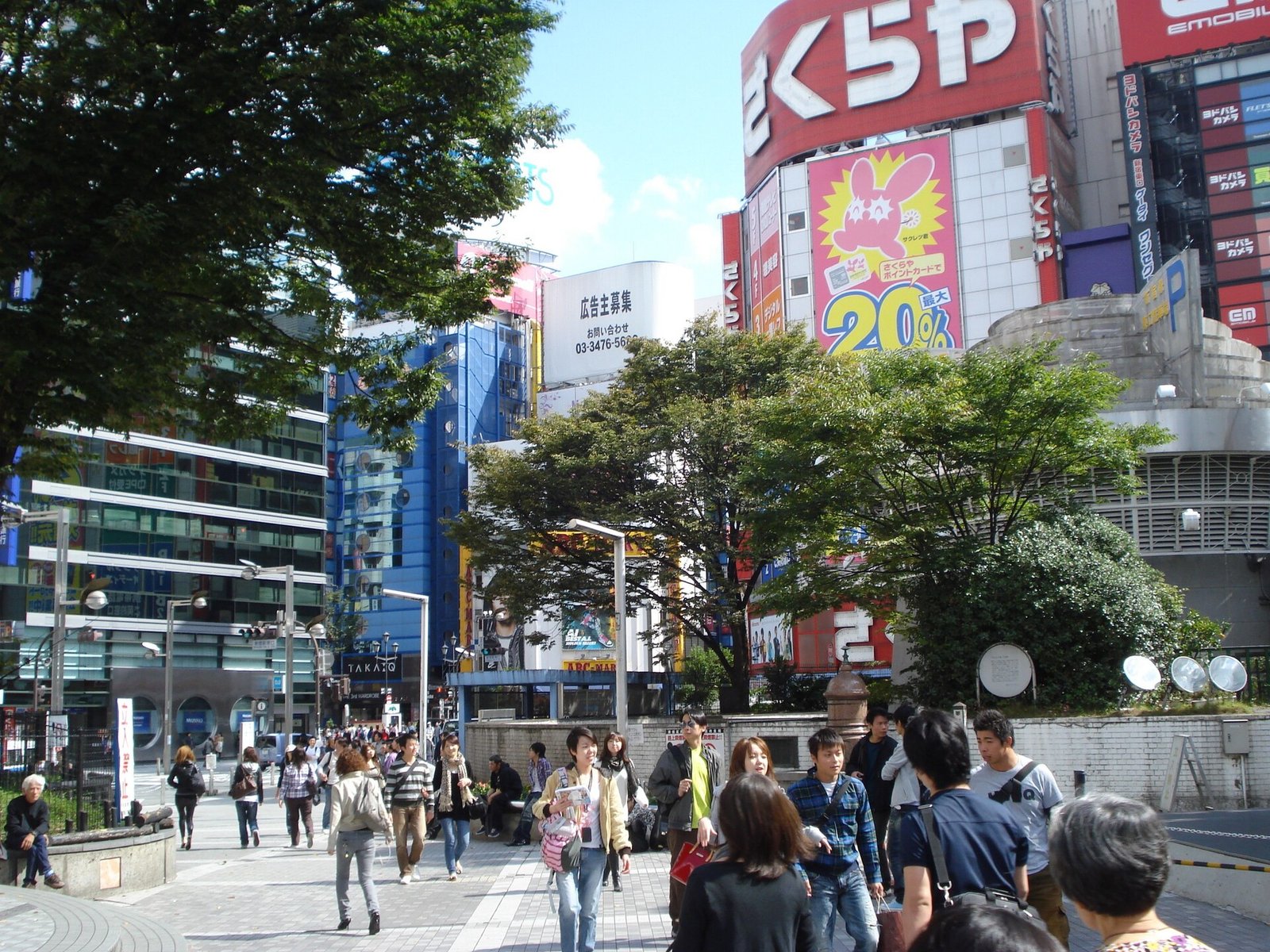
Photo: “Area around Shinjuku station east exit2” by Carles Tomás Martí from Stockholm, Sverige, via Wikimedia Commons, licensed CC BY 2.0.