
In short
Twelve places that are genuinely off the main route, with what each actually costs. Naoshima is the clearest example: ferry from Uno ¥300, then Chichu Art Museum ¥2,500 (book ahead, it sells out), Benesse House Museum ¥1,300, Teshima Art Museum ¥1,570. Beds run from ¥8,000 at an island minshuku to ¥40,000+ at Benesse House.
Prices verified against each site’s own booking page, August 2026.
“Hidden gems” is usually code for “places that were on Instagram three years ago.” This list is built differently: each entry has a reason it stays quiet, a way to get there, and a 2026 price. Several of them are quiet because they are genuinely difficult to reach, which is the only reliable form of hidden.
We have also included a list of places other guides still recommend that have been closed for years.
What is in this guide
- 1. Naoshima and Teshima, Seto Inland Sea
- 2. Koyasan, Wakayama
- 3. Yakushima, Kagoshima
- 4. Ine no Funaya, Kyoto Prefecture
- 5. Tottori Sand Dunes and the Sand Museum
- 6. Shirakawa-go in winter, Gifu
- 7. Kurokawa Onsen, Kumamoto
- 8. Takachiho Gorge, Miyazaki
- 9. Kamikochi, Nagano
- 10. Sado Island, Niigata
- 11. Ouchi-juku, Fukushima
- 12. Aogashima, Tokyo Prefecture
- Places other guides still list that no longer exist
- How to reach these places
- When to go
- Frequently asked questions
- A note on our numbers
- Six more, for people who already went to the obvious places
- How to fit one of these into a normal trip
- What these places cost, side by side
- The one thing to check before booking any of these
- Kansai: Kyoto and Osaka
Verified: 18 August 2026 · Exchange rate: ¥159.21 = 1 USD
Editor’s note
For each place below we have included why it stays quiet. Places do not remain hidden by accident. They remain hidden because reaching them is inconvenient, and the moment that changes, so does the place.
1. Naoshima and Teshima, Seto Inland Sea
Islands turned into permanent contemporary art installations. Tadao Ando concrete buried in hillsides, a Monet room lit only by daylight, Yayoi Kusama’s pumpkin on a pier.
| Getting there | Shinkansen to Okayama, train to Uno, ferry (20 min, ¥300) |
| Chichu Art Museum | ¥2,500, book online in advance, it sells out |
| Benesse House Museum | ¥1,300 |
| Teshima Art Museum | ¥1,570 |
| Stay | Benesse House ¥40,000+, island minshuku ¥8,000 to ¥15,000 |
| Why it stays quiet | Two ferries and a Shinkansen from anywhere. Monday closures catch people out |
Go midweek. Book Chichu the moment your dates are fixed.
2. Koyasan, Wakayama
A working Buddhist monastery town at 800 metres, where about fifty temples take overnight guests. You eat shojin ryori (Buddhist vegan cuisine), sleep on tatami, and attend the 06:00 morning service if you want to.
| Getting there | Nankai line from Osaka Namba, then cable car, about 2 hours |
| Temple stay (shukubo) | ¥12,000 to ¥25,000 per person with two meals |
| Okunoin cemetery | Free. Go at night, lantern-lit, 200,000 graves under cedars |
| Why it stays quiet | It requires committing a night, and the last cable car is early |
Okunoin after dark is the single most atmospheric hour in Japan and costs nothing.
3. Yakushima, Kagoshima
The moss forest that inspired Princess Mononoke, with cedars over a thousand years old and one of the highest rainfall totals in Japan.
| Getting there | Flight or ferry from Kagoshima, 2 to 4 hours |
| Shiratani Unsuikyo (the Mononoke forest) | ¥500 |
| Jomon Sugi trek | Free, but 10 hours return, guide recommended ¥12,000 to ¥18,000 |
| Forest conservation fee | ¥1,000 to ¥2,000 depending on trail |
| Why it stays quiet | It rains 35 days a month, as locals put it. Bring real rain gear |
4. Ine no Funaya, Kyoto Prefecture
A fishing village of 230 boathouses built directly onto the water, two and a half hours north of Kyoto on the Sea of Japan. Boats park underneath, people live above.
| Getting there | Train to Amanohashidate, then bus, about 2.5 hr from Kyoto |
| Sea taxi tour | ¥1,000 to ¥2,000 |
| Funaya stay | ¥15,000 to ¥30,000 |
| Why it stays quiet | No Shinkansen, and most Kyoto visitors do not have a spare day |
5. Tottori Sand Dunes and the Sand Museum
Sixteen kilometres of coastal dunes, and next door a museum where international artists carve monumental sculpture out of sand, with a new theme each year.
| Getting there | Limited express from Osaka, about 2.5 hr |
| Dunes | Free |
| Sand Museum | ¥800 |
| Camel ride | ¥1,500 |
| Paragliding | ¥8,000 to ¥12,000 |
| Why it stays quiet | Tottori is Japan’s least populous prefecture and no one routes through it |
6. Shirakawa-go in winter, Gifu
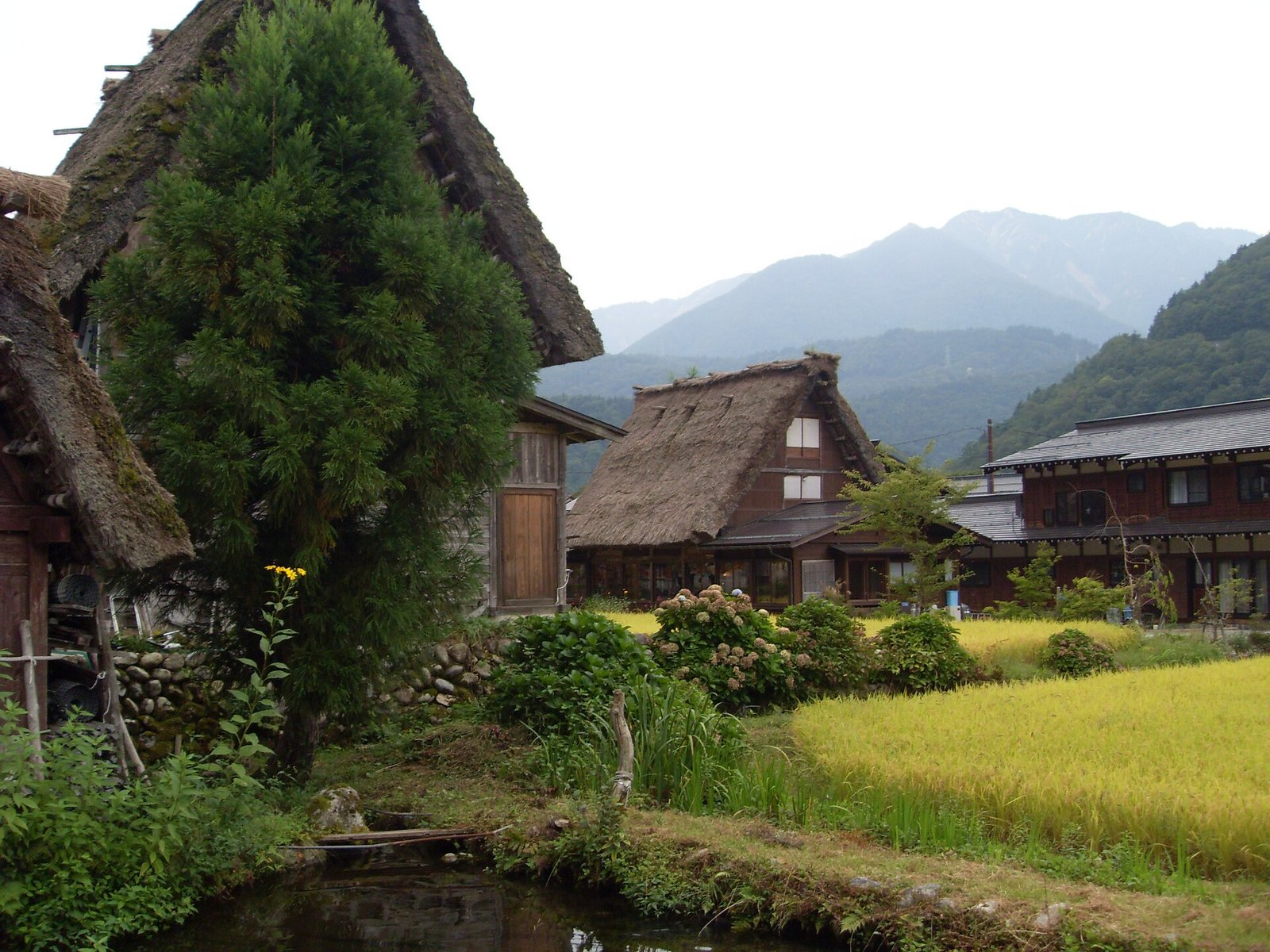
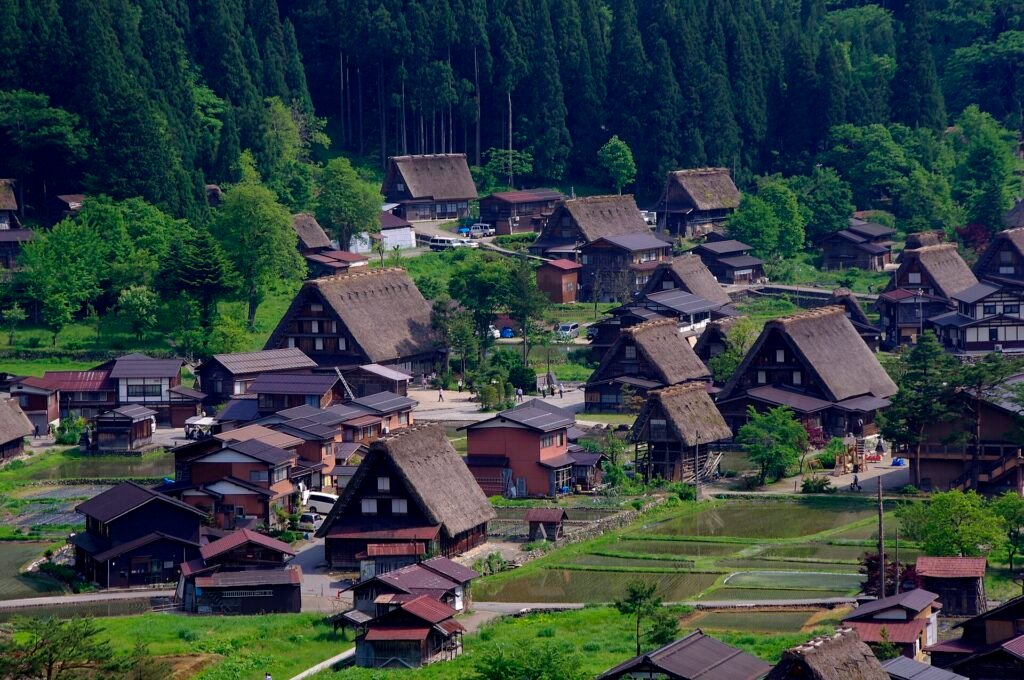
The gassho-zukuri thatched farmhouses appear in every guide. What most people miss is the winter light-up: six evenings in January and February when the village is illuminated under snow.
| Getting there | Bus from Takayama or Kanazawa, 50 to 75 min, ¥2,600 |
| Village entry | Free (parking ¥1,000) |
| Winter light-up | Reservation-only since 2019, book months ahead |
| Gassho farmhouse stay | ¥10,000 to ¥18,000 with meals |
| Why the light-up stays quiet | Because it is capped. The daytime village in summer is not quiet at all |
7. Kurokawa Onsen, Kumamoto
Thirty ryokan in a river gorge with no neon, no concrete hotel blocks and a deliberate architectural code. You buy a wooden pass and bathe at any three baths in town.
| Getting there | Bus from Kumamoto or Fukuoka, 2 to 3 hr |
| Nyuto tegata (3-bath wooden pass) | ¥1,500 |
| Ryokan with two meals | ¥15,000 to ¥35,000 |
| Why it stays quiet | Kyushu, and no rail station. The bus is the only way in |
8. Takachiho Gorge, Miyazaki
A volcanic gorge with columnar basalt walls and a waterfall you row a boat up to. The mythological birthplace of Japan’s sun goddess, with nightly kagura dance performances at the shrine.
| Getting there | Bus from Kumamoto or Miyazaki, 2 to 3 hr |
| Rowing boat | ¥5,100 for 30 min, queue from 07:00 in peak season |
| Yokagura night dance at the shrine | ¥1,000, nightly at 20:00 |
| Why it stays quiet | Deep in Kyushu with no rail link since the 2005 typhoon |
9. Kamikochi, Nagano
An alpine valley in the Northern Alps, closed to private cars, with the Azusa river running turquoise below 3,000-metre peaks. Open mid-April to mid-November only.
| Getting there | Bus from Matsumoto or Takayama. No private cars, ever |
| Entry | Free (bus ¥2,000 to ¥2,800 each way) |
| Mountain lodge | ¥10,000 to ¥15,000 with meals |
| Why it stays quiet | Closed half the year, and the last bus out is early afternoon in shoulder season |
10. Sado Island, Niigata
Once a place of exile and a gold mine, now home to the Kodo taiko drumming troupe. You can ride a tarai bune, a round wooden tub boat, that local women still row.
| Getting there | Jetfoil from Niigata, 65 min, ¥6,600 |
| Gold mine (UNESCO listed 2024) | ¥1,000 |
| Tub boat ride | ¥700 |
| Earth Celebration taiko festival | August, tickets from ¥5,000 |
| Why it stays quiet | A ferry from a city most itineraries skip |
11. Ouchi-juku, Fukushima
A preserved Edo-period post town of thatched houses on the old Aizu road. Famous for negi soba, eaten with a whole spring onion instead of chopsticks.
| Getting there | Aizu-Wakamatsu, then train and bus, about 1.5 hr |
| Village | Free |
| Negi soba | ¥1,200 |
| Why it stays quiet | Fukushima Prefecture still carries an association that keeps visitors away, though this is 100 km inland from the coast |
12. Aogashima, Tokyo Prefecture
A volcanic island inside another volcano’s crater, 358 kilometres south of Tokyo, population about 170. Technically part of Tokyo Metropolis.
| Getting there | Ferry or helicopter from Hachijojima, which is itself a flight from Haneda |
| Helicopter | ¥11,000, 9 seats a day, book a month ahead |
| Ferry | ¥2,600, cancelled roughly half the time due to swell |
| Stay | Minshuku ¥8,000 to ¥12,000. Book before you travel, there are very few beds |
| Why it stays quiet | It is genuinely hard to reach and you may not get off it on schedule |
This is the only entry on this list where we would say: do not go unless your schedule has slack. People get stranded for days.
Places other guides still list that no longer exist
This is the section that saves you a wasted day.
| Frequently recommended | Reality |
|---|---|
| Oedo-Onsen Monogatari, Odaiba | Permanently closed, 5 September 2021 |
| Robot Restaurant, Shinjuku | Closed. Samurai Restaurant operates in the space |
| Yokohama Landmark Tower Sky Garden | Closed for renovation until at least 2028 |
| MariCar street go-karting | Lost the Nintendo lawsuit, now Street Kart, no character costumes |
| teamLab Borderless, Odaiba | Moved to Azabudai Hills |
| Tsukiji inner wholesale market | Moved to Toyosu in 2018. The outer market is still open |
| Tokyo Disney free Priority Pass | Ends 31 August 2026, replaced by paid Premier Access |
| DisneySea Fantasy Springs virtual queue | Dropped, normal queueing since 1 April 2025 |
| JR East Tohoku and Nagano-Niigata passes | Consolidated into one JR EAST PASS on 14 March 2026 |
How to reach these places
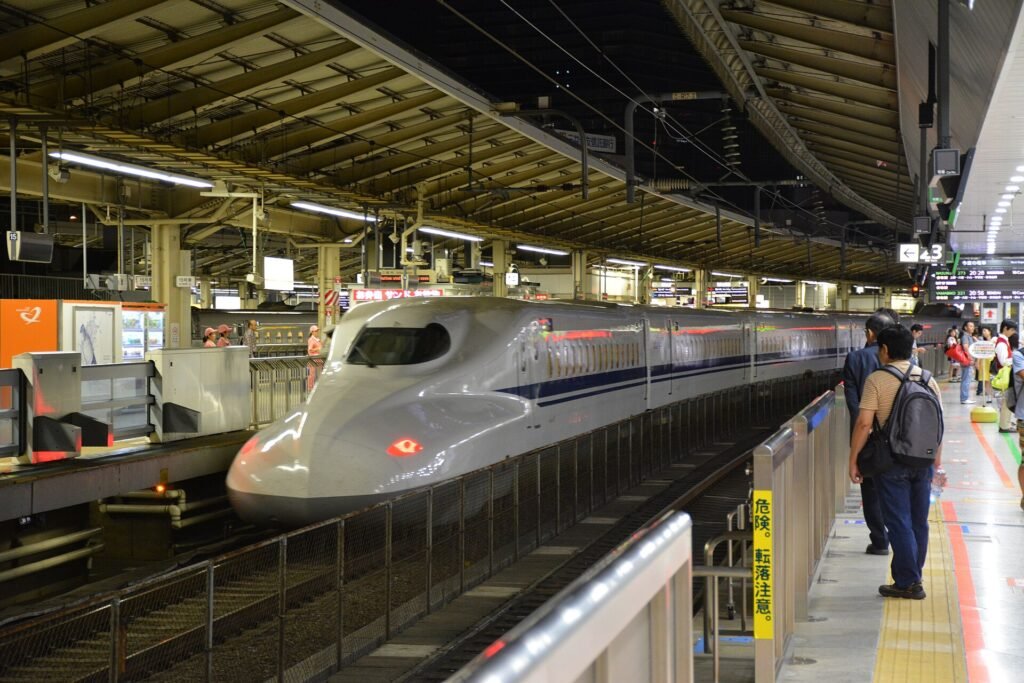
Almost none of them are on the Shinkansen network, which is precisely why they stay quiet, and it changes the rail-pass calculation.
| Destination | Nearest hub | Pass that helps |
|---|---|---|
| Naoshima | Okayama | JR Pass, if you are already crossing the country |
| Koyasan | Osaka | Nankai Koyasan World Heritage Ticket, ¥3,400 |
| Yakushima | Kagoshima | JR Kyushu Pass for the approach only |
| Ine | Kyoto | None. Bus and local train |
| Tottori | Osaka | JR Pass covers the limited express |
| Shirakawa-go | Takayama or Kanazawa | Bus, not covered by JR passes |
| Kurokawa Onsen | Kumamoto or Fukuoka | Bus only |
| Takachiho | Kumamoto | Bus only |
| Kamikochi | Matsumoto | Bus only, no cars |
| Sado | Niigata | Ferry, JR Pass to Niigata |
| Ouchi-juku | Aizu-Wakamatsu | Local lines, partly private |
| Aogashima | Hachijojima | Flight and helicopter or ferry |
Note how many say “bus only.” If your itinerary is built around one of these, a nationwide rail pass is usually the wrong purchase. We work through when the pass does and does not pay in How Much Does a Trip to Japan Cost?.
When to go
| Destination | Best season | Avoid |
|---|---|---|
| Naoshima | Apr to Jun, Sep to Nov | Mondays, many museums close |
| Koyasan | Year round; snow in winter is beautiful | Obon, mid-August |
| Yakushima | Mar to May, Oct to Nov | Typhoon season, Aug to Sep |
| Ine | May to Oct | Winter, boats reduce |
| Tottori | Apr to Nov | Midsummer, the sand gets very hot |
| Shirakawa-go | Jan to Feb light-up; Oct foliage | Summer weekends |
| Kurokawa | Nov to Mar, snow and outdoor baths | Golden Week |
| Takachiho | Apr to Nov | Rainy season, Jun to Jul |
| Kamikochi | Mid-Apr to mid-Nov only | It is physically closed otherwise |
| Sado | Aug for Earth Celebration | Winter, rough crossings |
| Aogashima | May to Oct | Typhoon season |
Frequently asked questions
What is the most underrated place in Japan? Koyasan, for most visitors. It is two hours from Osaka, costs ¥12,000 to ¥25,000 for a temple stay with two meals, and the lantern-lit Okunoin cemetery at night is free and unforgettable. Very few first-time itineraries include it.
Are these places hard to reach without a car? Most are reachable by public transport, but several require buses rather than trains: Shirakawa-go, Kurokawa Onsen, Takachiho and Kamikochi. Kamikochi bans private cars entirely. Aogashima needs a flight plus a helicopter or ferry.
Which hidden gem is best for a first trip to Japan? Koyasan or Naoshima. Both are reachable from the Golden Route with one extra night, and neither requires a rental car.
Is Yakushima worth the trip? If you want the moss forest that inspired Princess Mononoke, yes. Budget for serious rain gear and a guide for the ten-hour Jomon Sugi trek. Shiratani Unsuikyo at ¥500 gives you most of the atmosphere in three hours.
Do I need to book these places in advance? Chichu Art Museum on Naoshima, the Shirakawa-go winter light-up, temple stays at Koyasan and the Aogashima helicopter all require advance booking, some months out. The rest do not.
Is Fukushima safe to visit? Ouchi-juku is about 100 km inland from the coastal plant site, in mountains that were never evacuated. Radiation levels across the prefecture’s tourist areas are comparable to those in other Japanese cities.
Can I do any of these as a day trip? Ine, Tottori, Shirakawa-go and Ouchi-juku work as long day trips from Kyoto, Osaka, Takayama and Aizu respectively. Koyasan, Yakushima, Kurokawa, Sado and Aogashima all need at least one night.
How much extra should I budget? Roughly ¥15,000 to ¥30,000 per destination including transport, one night’s accommodation and entries. Aogashima is the outlier because of the helicopter and the risk of being stranded.
A note on our numbers
Entry fees, transport costs and opening seasons were checked against operator and municipal sources in August 2026. Ferry and bus schedules to islands and mountain valleys change seasonally and are cancelled in bad weather, so confirm before you commit a night. If a figure has moved, tell us and we will correct it.
Keep reading: Japan Travel Guide 2026 · How Much Does a Trip to Japan Cost? · 7-Day Japan Itinerary · Japan Food Guide
Six more, for people who already went to the obvious places
13. Kiso Valley and the Nakasendo, Nagano and Gifu
The old Edo-period highway between Kyoto and Tokyo survives as an 8 km walkable stretch between the post towns of Magome and Tsumago, both preserved with no visible power lines or vending machines.
| Getting there | Nakatsugawa station, then bus to Magome |
| Walk | Free, 8 km, 3 hours, mostly downhill Magome to Tsumago |
| Luggage forwarding between the two towns | ¥1,000, runs Mar to Nov |
| Stay in a Tsumago minshuku | ¥10,000 to ¥16,000 with two meals |
| Why it stays quiet | Everyone takes the Shinkansen that replaced the road |
14. Kunisaki Peninsula, Oita
Stone Buddhas carved into cliffs, mountain temples reached on foot, and an early syncretic Buddhist-Shinto tradition that developed in relative isolation.
| Getting there | Oita or Beppu, then a car or infrequent buses |
| Fuki-ji temple | ¥300 |
| Kumano Magaibutsu cliff carvings | ¥300 |
| Why it stays quiet | Effectively requires a rental car |
15. Tsunoshima Bridge, Yamaguchi
A 1,780-metre bridge over turquoise water to a small island, which looks like it belongs somewhere tropical and is in fact at the western tip of Honshu.
| Getting there | Shimonoseki, then local line to Takibe and a bus |
| Bridge and island | Free |
| Why it stays quiet | Yamaguchi Prefecture is what people travel through on the way to Kyushu |
16. Aoshima and the Devil’s Washboard, Miyazaki
A subtropical island shrine surrounded by rock formations that erode into regular ridges, exposed at low tide.
| Getting there | Local train from Miyazaki, 30 min |
| Entry | Free |
| Best time | Low tide. Check the tide table before you go |
| Why it stays quiet | Miyazaki is a long way from everywhere |
17. Bandai-Azuma Skyline and Goshiki-numa, Fukushima
Five ponds that hold different colours, from cobalt to emerald, because of differing mineral content, with an easy 3.6 km walking trail between them.
| Getting there | Bus from Inawashiro station |
| Trail | Free, 3.6 km, about 90 minutes |
| Best time | Late October for foliage; closed in deep winter |
| Why it stays quiet | The prefecture’s name still deters visitors, though this is inland highland |
18. Rebun and Rishiri, northern Hokkaido
Two islands off the northern tip of Hokkaido, with alpine flowers at sea level and a conical volcanic peak that locals call Rishiri Fuji.
| Getting there | Wakkanai, then ferry, 1 hr 40 min, ¥2,500 to ¥3,500 |
| Rishiri-zan climb | Free, 10 hours return, serious |
| Rebun flower trails | Free to ¥500 |
| Season | June to September only |
| Why it stays quiet | The northernmost point of Japan, and half the year it is closed |
How to fit one of these into a normal trip
Most first trips run Tokyo, Kyoto, Osaka over 7 to 10 days. Adding one of these means one extra night and one detour, not a redesign.
| From | Reachable with one extra night |
|---|---|
| Osaka | Koyasan, Ine, Tottori |
| Kyoto | Ine, Kiso Valley, Naoshima |
| Takayama or Kanazawa | Shirakawa-go, Kiso Valley |
| Tokyo | Ouchi-juku, Goshiki-numa, Sado |
| Fukuoka | Kurokawa Onsen, Takachiho, Kunisaki, Yakushima |
| Sapporo | Rebun and Rishiri (summer only) |
What these places cost, side by side
Planning a detour is easier when the numbers are together. These are two-day, one-night estimates per person, including return transport from the nearest major hub, one night’s accommodation and entries.
| Destination | Transport from hub | Bed | Entries | Two-day total |
|---|---|---|---|---|
| Koyasan | ¥3,400 from Osaka | ¥12,000 to ¥25,000 temple stay with 2 meals | Free | ¥15,400 to ¥28,400 |
| Naoshima | ¥1,500 from Okayama | ¥8,000 to ¥15,000 minshuku | ¥5,370 for 3 museums | ¥14,900 to ¥21,900 |
| Ine | ¥5,000 from Kyoto | ¥15,000 to ¥30,000 funaya | ¥2,000 boat | ¥22,000 to ¥37,000 |
| Tottori | ¥8,000 from Osaka | ¥8,000 to ¥14,000 | ¥800 museum, ¥1,500 camel | ¥18,300 to ¥24,300 |
| Shirakawa-go | ¥5,200 from Takayama | ¥10,000 to ¥18,000 gassho house | Free | ¥15,200 to ¥23,200 |
| Kurokawa Onsen | ¥5,000 from Kumamoto | ¥15,000 to ¥35,000 ryokan with 2 meals | ¥1,500 bath pass | ¥21,500 to ¥41,500 |
| Takachiho | ¥5,000 from Kumamoto | ¥8,000 to ¥15,000 | ¥5,100 boat, ¥1,000 kagura | ¥19,100 to ¥26,100 |
| Kamikochi | ¥5,600 from Matsumoto | ¥10,000 to ¥15,000 lodge | Free | ¥15,600 to ¥20,600 |
| Sado | ¥13,200 from Niigata | ¥8,000 to ¥16,000 | ¥1,700 | ¥22,900 to ¥30,900 |
| Ouchi-juku | ¥3,000 from Aizu | Day trip | Free | ¥3,000 |
| Yakushima | ¥20,000 to ¥36,000 from Kagoshima | ¥8,000 to ¥18,000 | ¥1,500 to ¥3,000 | ¥29,500 to ¥57,000 |
| Aogashima | ¥30,000+ from Tokyo | ¥8,000 to ¥12,000 | Free | ¥38,000+ |
The value ranking is clear: Ouchi-juku as a day trip, then Naoshima, Kamikochi, Shirakawa-go and Koyasan all sit under ¥25,000 for a proper two days. Yakushima and Aogashima cost two to three times as much and carry weather risk on top.
The one thing to check before booking any of these
Almost all of these places have a seasonal closure, a weather dependency or a booking cap that will not be obvious from a search result:
- Kamikochi is physically closed mid-November to mid-April.
- Rebun and Rishiri run June to September only.
- Aogashima ferries are cancelled roughly half the time.
- Shirakawa-go’s winter light-up has been reservation-only since 2019.
- Chichu Art Museum on Naoshima sells out and closes Mondays, as do most island museums.
- Yakushima’s Jomon Sugi trek is ten hours return and needs a guide for most people.
- Takachiho’s rowing boats queue from 07:00 in peak season.
Confirm the specific date before you book a bed. This is the difference between a good detour and a wasted day.
Kansai: Kyoto and Osaka
Tokyo is only half a first trip to Japan. Two hours and fifteen minutes west, the Golden Route continues.
- Kyoto Travel Guide 2026 — the lodging tax that now reaches ¥10,000 a night, and the bus pass that no longer exists
- The Perfect 3-Day Kyoto Itinerary — built around two dawn starts
- Where to Stay in Kyoto — now the most expensive bed in Japan
- How Much Does a Trip to Kyoto Cost?
- The Best Things to Do in Kyoto — including the temples that are closed for restoration
- Osaka Travel Guide 2026 — why the Expo site is shut and the Amazing Pass still wins
- The Perfect 2-Day Osaka Itinerary
- Where to Stay in Osaka — Umeda or Namba, decided
- The Best Things to Do in Osaka
- Best Day Trips from Osaka and Kyoto — Nara, Kobe, Himeji, Koyasan
Photo: “Traditional Japanese village Shirakawa-go” by Wicki, via Wikimedia Commons, licensed Public domain.