
In short
The best day trips, with the fare and an honest verdict on whether each fills a day. Nara ¥680 from Osaka (35–40 min) or ¥720 from Kyoto; Kobe ¥330 from Osaka (27–31 min) but ¥1,110 from Kyoto; Himeji ¥1,460 from Osaka (63 min), ¥2,210 from Kyoto. Which city you sleep in changes these fares by three to four times, which is the part most day-trip lists ignore.
Fares verified on operator pages, August 2026.
Disclosure: some links in this guide are affiliate links. If you book through one, we earn a small commission and you pay exactly the same price. We only link to services we would use ourselves, no brand pays for placement or for a favourable write-up, and every price in this article was researched independently.
Kansai is the most day-trippable region in Japan. From either Osaka or Kyoto you can reach a thousand-year-old capital, Japan’s finest surviving castle, a beef town, a mountain monastery and a canal district — all in under two hours, most of them in under one.
What is in this guide
- The whole region at a glance
- Nara — the one to do first
- Himeji — and the pricing question everybody gets wrong
- Kobe — beef, a harbour and a mountain
- Uji — the half day almost nobody takes
- Koyasan — go overnight or do not go
- Kurashiki — the long one
- Guided tour or independent?
- Which pass, if any
- Frequently asked questions
- A note on our numbers
- How to sequence them
- What each day actually feels like
- Timing and closures to check
- Where to book these day trips
Here is what each actually costs, how long it really takes, and whether a guided tour is worth the premium.
Verified: August 2026 · Exchange rate: ¥159.21 = 1 USD
Editor’s note
The best day trips from Osaka and Kyoto are the ones where the train does the work. Nara is about forty-five minutes and needs no guide. Himeji is about an hour and needs no guide. Anything sold as a tour of those two is largely selling you a train ticket at several times the price.
The whole region at a glance
| Destination | From Osaka | From Kyoto | Time | A full day? |
|---|---|---|---|---|
| Nara | ¥680 Kintetsu, 35–40 min | ¥720 JR, 45–50 min | Half to full day | Full |
| Kobe | ¥330 Hankyu, 27–31 min | ¥1,110 JR, ~50 min | Full day | Full |
| Himeji | ¥1,460 JR, 63 min | ¥2,210 JR, ~90 min | Full day | Full |
| Uji | ~¥500, 45 min | ¥240, 20 min | Half day | Half |
| Koyasan | Nankai from Namba, ~2 hr | ~2.5 hr | Overnight, ideally | Overnight |
| Kurashiki | Shinkansen + local, ~1.5 hr | ~2 hr | Full day | Full |
| Kyoto ↔ Osaka | ¥410 Hankyu, 43 min | — | Either way | Full |
The value ranking, if you only have one day: Nara, then Himeji, then Kobe. Nara is cheapest, closest and has the single most impressive building in the region.
Nara — the one to do first
Japan’s capital before Kyoto, and small enough to walk. Free-roaming deer, the world’s largest bronze Buddha inside one of the world’s largest wooden buildings, and a shrine approach lined with three thousand stone lanterns.
| Cost | |
|---|---|
| Getting there from Osaka | Kintetsu Namba → Kintetsu-Nara, ¥680, 35–40 min |
| From Osaka, alternative | JR Namba → Nara, ¥580, 45–50 min |
| From Kyoto | JR Miyakoji Rapid, ¥720, 45–50 min |
| Todaiji Daibutsuden | ¥800 |
| Todaiji Museum | ¥800 (combined ticket ¥1,200) |
| Kasuga Taisha outer shrine | Free |
| Kasuga Taisha inner area | ¥700 to ¥1,000 depending on which ticket is on sale |
| Kasuga Treasure Hall | ¥500 |
| Nara Park | Free |
| Deer crackers | A few hundred yen, licensed vendors only |
| Realistic day total | ¥3,000 to ¥4,500 including transport |
Take Kintetsu, not JR. Kintetsu-Nara Station is in the centre of town, a ten-minute walk from Nara Park. JR Nara Station is a further fifteen minutes out. The Kintetsu fare from Osaka is ¥680 against JR’s ¥820 from Osaka Station, and it is faster.
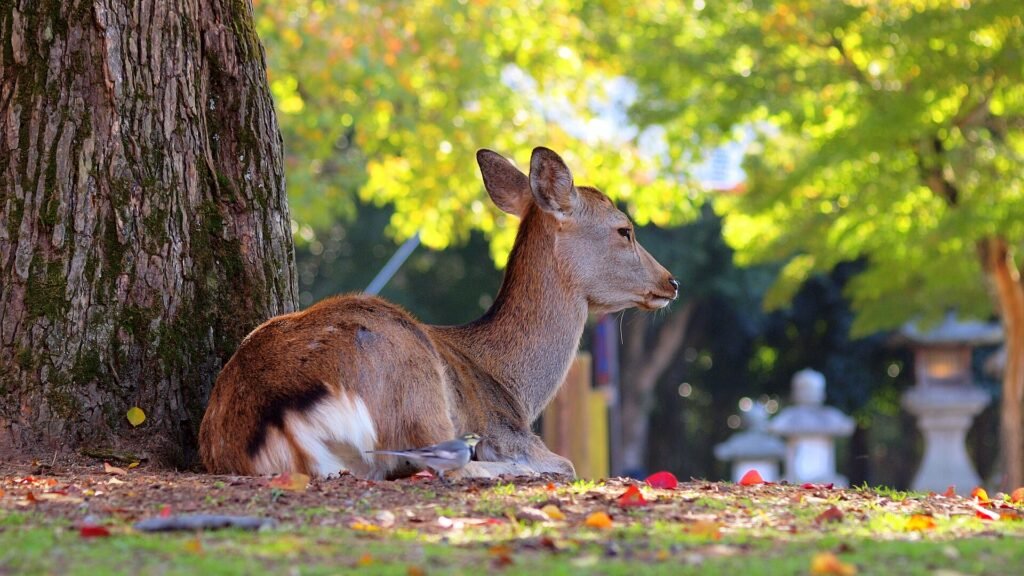
The deer. They bow. They also mug you. Buy the official crackers from a licensed stand — the proceeds fund the herd’s protection — and hand them over promptly rather than teasing. Do not feed them anything else, and put away maps and paper bags, which they will eat.
Todaiji is the point. The Great Buddha Hall is the largest wooden building of its kind on earth and it does not photograph well, which is why nobody warns you how it feels to walk in.
Himeji — and the pricing question everybody gets wrong
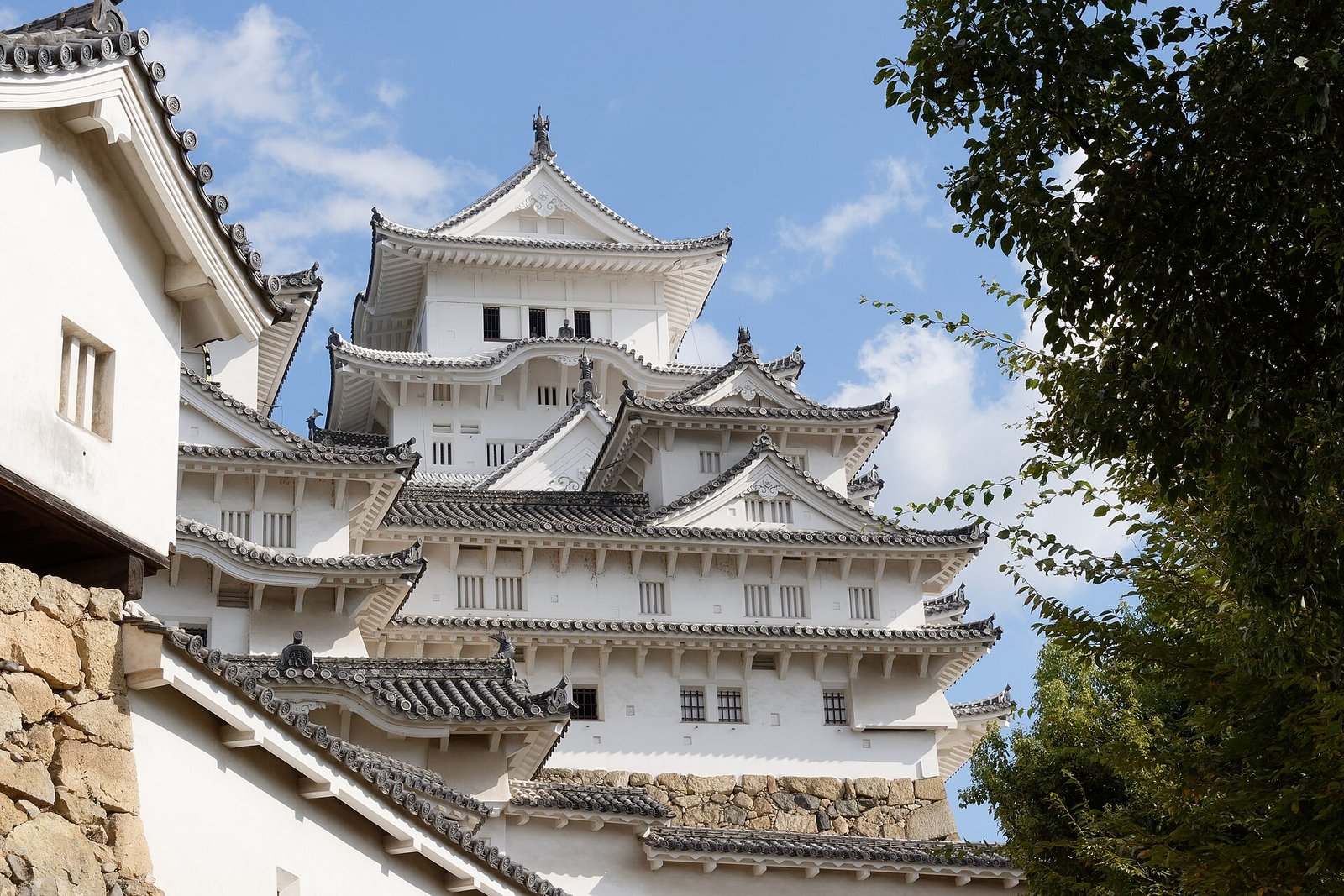
Japan’s finest surviving castle: original, never destroyed, never rebuilt in concrete, and white enough that it is nicknamed the White Heron.
| Cost | |
|---|---|
| From Osaka | JR Special Rapid, ¥1,460, 63 min |
| From Osaka, fastest | Shinkansen from Shin-Osaka, ¥3,220, 42 min |
| From Kyoto | JR Special Rapid, ¥2,210, ~90 min |
| Castle admission, adult 18+ | ¥2,500 |
| Castle admission, Himeji City residents | ¥1,000 |
| Under 18 | Free |
| Kokoen Garden alone | ¥400 |
| Castle + Kokoen combined | ¥2,600 |
| Hours | 9:00 to 17:00, last entry 16:00. Closed 29–30 December |
| Realistic day total from Osaka | ≈ ¥5,500 |
The correction that matters: you will read that Himeji charges foreign visitors more. It does not. The ¥2,500 versus ¥1,000 split is by residency of Himeji City — a Japanese visitor from Osaka pays the same ¥2,500 as a tourist from abroad. It is a local-resident discount, which is common worldwide, not a tourist surcharge. Any guide framing it as nationality-based is wrong.
Buy the ¥2,600 combined ticket. Kokoen is nine walled gardens next door and costs only ¥100 more when bundled.
The castle is a climb. Six floors of steep original wooden stairs, shoes off and carried in a bag. Last entry is 16:00 and they mean it.
Kobe — beef, a harbour and a mountain
Half an hour from Osaka for ¥330, which makes it the cheapest day trip in Kansai. A port city that has been foreign-facing for 150 years, with a European quarter, a Chinatown, sake breweries and a mountain behind it.
| Cost | |
|---|---|
| From Osaka | Hankyu or Hanshin to Sannomiya, ¥330, 27–31 min |
| From Osaka, fastest | JR Special Rapid, ¥420, 21 min |
| From Kyoto | JR Special Rapid, ¥1,110, ~50 min |
| Nunobiki Herb Garden ropeway + garden, return | ¥2,500 adult / ¥1,250 child |
| Same, one way | ¥1,900 / ¥950 |
| Same, evening rate from 17:00 | ¥2,000 / ¥1,200, return only |
| Ikuta Shrine | Free |
| Kobe beef, entry cuts | ¥7,000 to ¥12,000 |
| Kobe beef, A5 premium cuts | ¥21,000 to ¥35,000 |
| Nada sake brewery museums | Mostly free or a few hundred yen |
| Realistic day total | ¥3,000 without beef, ¥11,000 with |
The Kobe beef advice nobody gives you. Everyone assumes lunch is the cheap option. At Mouriya, the city’s best-known steakhouse operating since 1885, the entry-level dinner set starts at ¥6,940 while the equivalent lunch starts at ¥8,020 — because lunch bundles in more courses. The real driver of price is cut and grade, not time of day. Entry cuts run ¥7,000 to ¥12,000; A5 ribeye and fillet run ¥21,000 to ¥35,000.
Verify it is actually Kobe beef. Only designated registered restaurants displaying the official bronze statue may serve certified Kobe beef, which is DNA-verified against the Tajima cattle pedigree. Plenty of places sell “Kobe-style.” Use the official restaurant guide.
Nunobiki Herb Garden is worth the ¥2,500 for the ropeway alone — ten minutes up over a waterfall and the harbour. Note the garden closes 31 August to 3 September 2026 for maintenance, and again from late January 2027.
Uji — the half day almost nobody takes
Twenty minutes from Kyoto. Green tea, a phoenix hall that appears on the ¥10 coin, and a river.
| Cost | |
|---|---|
| From Kyoto | JR Nara Line, ¥240, 20 min |
| From Osaka | ~¥500, 45 min |
| Byodoin Phoenix Hall | ¥700 grounds, +¥300 for the interior |
| Matcha and a sweet | ¥800 to ¥1,500 |
| Half-day total | ≈ ¥2,500 |
If you have already done Nara and want somewhere quiet, this is it. It is also the best place in Japan to actually learn something about green tea rather than just drink it.
Koyasan — go overnight or do not go
A working Buddhist monastery town at 800 metres, where around fifty temples take overnight guests. You eat *shojin ryori* Buddhist vegan cuisine, sleep on tatami, and can attend the 06:00 morning service.
| Cost | |
|---|---|
| Getting there | Nankai from Namba to Gokurakubashi, then cable car, then bus. ~2 hr |
| Temple stay (shukubo) with two meals | ¥12,000 to ¥25,000 per person |
| Kongobu-ji | ¥1,000 |
| Kondo and Konpon Daito | ¥500 each |
| Reihokan Museum | ¥1,300 |
| Common ticket, 5 sites | ¥2,500 |
| Okunoin cemetery | Free |
Okunoin at night is the single most atmospheric hour in Japan — a lantern-lit path through two hundred thousand graves under thousand-year-old cedars — and it costs nothing. You cannot do it on a day trip, because the last cable car down is early. That is the whole argument for staying the night.
Kurashiki — the long one
| Cost | |
|---|---|
| From Osaka | Shinkansen to Okayama plus local, ~1.5 hr |
| Ohara Museum of Art | ¥2,000 adult, ¥500 under 18 |
| Bikan Historical Quarter | Free to walk |
| Hours | Mar–Nov 9:00–17:00; Dec–Feb 9:00–15:00. Closed Mondays, open daily in August |
A canal district of white-walled Edo warehouses, and the Ohara — the first museum in Japan to collect Western art, with a genuine El Greco. The annex is closed long-term. This is a full, long day and only worth it if you like museums.
Guided tour or independent?
| Trip | Independent | Typical guided tour | Verdict |
|---|---|---|---|
| Nara | ¥3,000–4,500 | ¥8,000–15,000 | Go independent. It is one train and a walk |
| Himeji | ¥5,500 | ¥12,000–20,000 | Independent, unless you want castle history explained |
| Kobe | ¥3,000–11,000 | ¥15,000–25,000 with beef | Independent for the city; a beef-focused tour can be worth it for the restaurant booking alone |
| Koyasan | ¥15,000–28,000 overnight | ¥30,000–50,000 | Independent, but let a service book the temple |
| Kurashiki | ¥8,000–10,000 | ¥20,000+ | Independent |
Kansai is unusually easy to do yourself. Trains are frequent, signage is bilingual, and every site above is a short walk from its station. The one thing genuinely worth paying an agency for is a Koyasan temple booking, where language and the reservation system are real obstacles.
Which pass, if any
| Pass | Price | Worth it? |
|---|---|---|
| JR Kansai Area Pass | ¥2,800 (1 day) to ¥7,000 (4 days) | Yes, if you are doing two or more JR day trips. Also covers two reserved Haruka seats from Kansai Airport |
| Kansai Railway Pass Lite (was Kansai Thru Pass) | ¥5,200 (2 days) / ¥6,500 (3 days) | Private railways only. Since 1 April 2026 it excludes all buses, the Kyoto subway and the Randen |
| Kintetsu Rail Pass | Varies | Useful specifically for Nara plus Ise or Yoshino |
| Osaka Amazing Pass | ¥3,500 / ¥5,000 | City only, not day trips |
The quick maths: Himeji return from Osaka is ¥2,920 by JR. That alone nearly covers the one-day Kansai Area Pass at ¥2,800. Add Nara or Kobe on the same pass across a two-day version at ¥4,800 and it is clearly ahead.
Frequently asked questions
What is the best day trip from Osaka? Nara. It is 35 minutes and ¥680 on the Kintetsu line, Todaiji’s Great Buddha Hall is the most impressive building in the region, and a full day costs around ¥3,000 to ¥4,500 including transport.
Does Himeji Castle charge foreigners more? No. The ¥2,500 versus ¥1,000 difference is a Himeji City resident discount — a Japanese visitor from Osaka pays ¥2,500 too. Under-18s of any nationality are free.
Can I do Nara and Kyoto in one day from Osaka? Technically yes, and you should not. Each deserves a full day, and Nara in particular is a walking day.
Is Kobe beef worth it? If you want the real thing, eat at a certified restaurant displaying the official bronze statue. Entry cuts run ¥7,000 to ¥12,000 and the premium A5 cuts ¥21,000 to ¥35,000. Counterintuitively, dinner sets often start cheaper than lunch, because lunch bundles more courses.
How much does a day trip to Himeji cost? About ¥5,500 from Osaka: ¥2,920 return on the JR Special Rapid plus the ¥2,600 combined castle and garden ticket. Add roughly ¥1,500 for lunch.
Should I book a guided tour for Nara or Himeji? No. Both are a single train and a short walk, everything is signposted in English, and a tour costs two to four times the independent price. Koyasan is the exception, where a booking service earns its fee.
Is Koyasan worth an overnight? Yes. The lantern-lit Okunoin cemetery at night is free and unforgettable, and you cannot experience it on a day trip because the last cable car down is too early. Temple stays run ¥12,000 to ¥25,000 with two meals.
Which rail pass is best for Kansai day trips? The JR Kansai Area Pass, ¥2,800 for one day up to ¥7,000 for four. It covers Kyoto, Osaka, Kobe, Nara and Himeji and includes two reserved Haruka seats from Kansai Airport. Do not buy the Kansai Railway Pass Lite expecting bus or Kyoto subway coverage — it no longer has either.
A note on our numbers
Fares, admissions and opening hours were verified against operator, castle and city sources in August 2026. Where a figure could not be confirmed from a primary source — Nara’s deer cracker price is one — we have given a range and said so rather than printing a number we cannot stand behind.
Keep reading: Osaka Travel Guide 2026 · Kyoto Travel Guide 2026 · Where to Stay in Osaka · The Perfect 3-Day Kyoto Itinerary · How Much Does a Trip to Japan Cost?
How to sequence them
If you have several days and want to fit these around a Kyoto or Osaka base, the geography does most of the deciding.
| Days available | Sequence |
|---|---|
| 1 spare day | Nara. Cheapest, closest, most impressive single building |
| 2 spare days | Nara, then Himeji |
| 3 spare days | Nara, Himeji, Kobe — and buy the 3-day JR Kansai Area Pass at ¥5,800 |
| 4+ days | Add an overnight at Koyasan, which is the one that changes your trip |
| Half a day only | Uji from Kyoto, 20 minutes and ¥240 |
Himeji and Kobe are on the same line, so a determined traveller can do both in one long day: Himeji in the morning (last castle entry is 16:00, but go at opening), then stop at Sannomiya on the way back for an early dinner. It is a lot, and it works.
Nara should not be combined with anything. It is a walking day in a park with a thousand deer, and rushing it is missing the point.
What each day actually feels like
Nara is the calmest. You walk from the station into a park, the deer come to you, and Todaiji sits at the end of a long avenue. Half the day is outdoors. Bring shoes you can walk five kilometres in.
Himeji is a single, focused objective: get to the castle, climb the six floors of steep original stairs in your socks, come down, walk the garden. The town around it is pleasant and unremarkable. You are going for one building, and it is worth it.
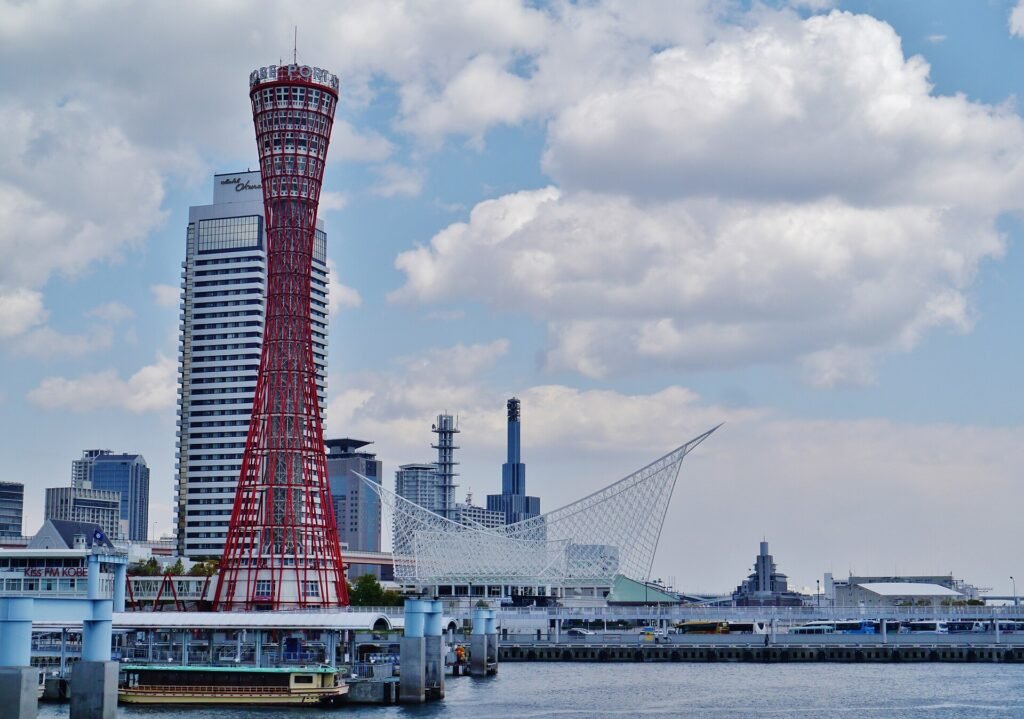
Kobe is the most urban and the most European-feeling. A harbour, a hillside, a Chinatown, a ropeway. It is also the only one on this list where the food is the reason to go.
Koyasan is the odd one out and the most memorable. You take a train, then a cable car, then a bus, and arrive in a monastery town in cedar forest at 800 metres. If you can spare the night, do.
Timing and closures to check
| Destination | Watch out for |
|---|---|
| Himeji Castle | Last entry 16:00. Closed 29–30 December |
| Todaiji, Nara | Apr–Oct 7:30–17:30, Nov–Mar 8:00–17:00 |
| Kasuga Taisha inner area | 9:00–16:00; the outer shrine is free and open longer |
| Nunobiki Herb Garden, Kobe | Closed 31 Aug – 3 Sep 2026 and 23 Jan – 12 Feb 2027. Suspended in high wind |
| Ohara Museum, Kurashiki | Closed Mondays, open daily in August. Winter hours end at 15:00 |
| Koyasan | The last cable car down is early — check before planning a day trip |
| All of them | Golden Week (29 Apr – 5 May) and Obon (mid-August) are domestic travel peaks |
Where to book these day trips
Same price through our links or direct. We earn a small commission on ours.
| Trip | Where to book | But read this first |
|---|---|---|
| Nara | Klook | Do it yourself. Kintetsu Namba to Kintetsu-Nara is ¥680 and 35 minutes, then you walk. A tour costs 2–4× for no added value |
| Himeji | KKday | Also do it yourself unless you want the castle history explained. JR Special Rapid ¥1,460, 63 minutes, castle is a 15-minute walk from the station |
| Kobe beef lunch or dinner | KKday | Here a booking earns its fee — certified Kobe beef restaurants are hard to reserve from abroad and the counterfeits are everywhere |
| Koyasan temple stay | Klook | Worth booking through someone. Temple lodging reservations are genuinely difficult in English |
| Attraction tickets — Himeji Castle, Kobe ropeway | Tiqets | Himeji sells at the gate; only useful in peak season |
| eSIM | Yesim | — |
Our honest position on this page: four of the six trips above are a single train ride and a walk, and we have said so rather than pretending you need a guide. The two where a booking service genuinely earns its money are Koyasan temple lodging and a certified Kobe beef table — both are real language and access barriers.
Also worth repeating because it saves more than anything here: the JR Kansai Area Pass at ¥2,800 for one day up to ¥7,000 for four covers Kyoto, Osaka, Kobe, Nara and Himeji, and includes two reserved Haruka seats from Kansai Airport. Buy it at any JR West ticket office. We earn nothing from it.