
In short
A running list of what actually changed for visitors to Türkiye in 2026, most of which has not reached English-language guides. Two entries will actively break an itinerary written from an older guidebook — the accommodation tax moving to 1% on 1 May 2026 (reverting to 2% on 1 January 2027), and the museum and site closures that no aggregator has updated.
Each entry carries its own source and date; last updated August 2026.
Türkiye changed a lot of things for visitors in 2026, and most of them have not reached English-language guides. Some are small and pleasant. Two of them will actively break an itinerary written from a 2024 guidebook.
This is a running list. We date every entry and we say where it came from.
What is in this guide
Last updated: August 2026
Editor’s note
Two entries here will break an itinerary written from an older guidebook: the Antalya Museum has been demolished, and Pamukkale’s Antique Pool was shut for sixteen months. Everything else is smaller, and most of it saves you money.
The two that break itineraries
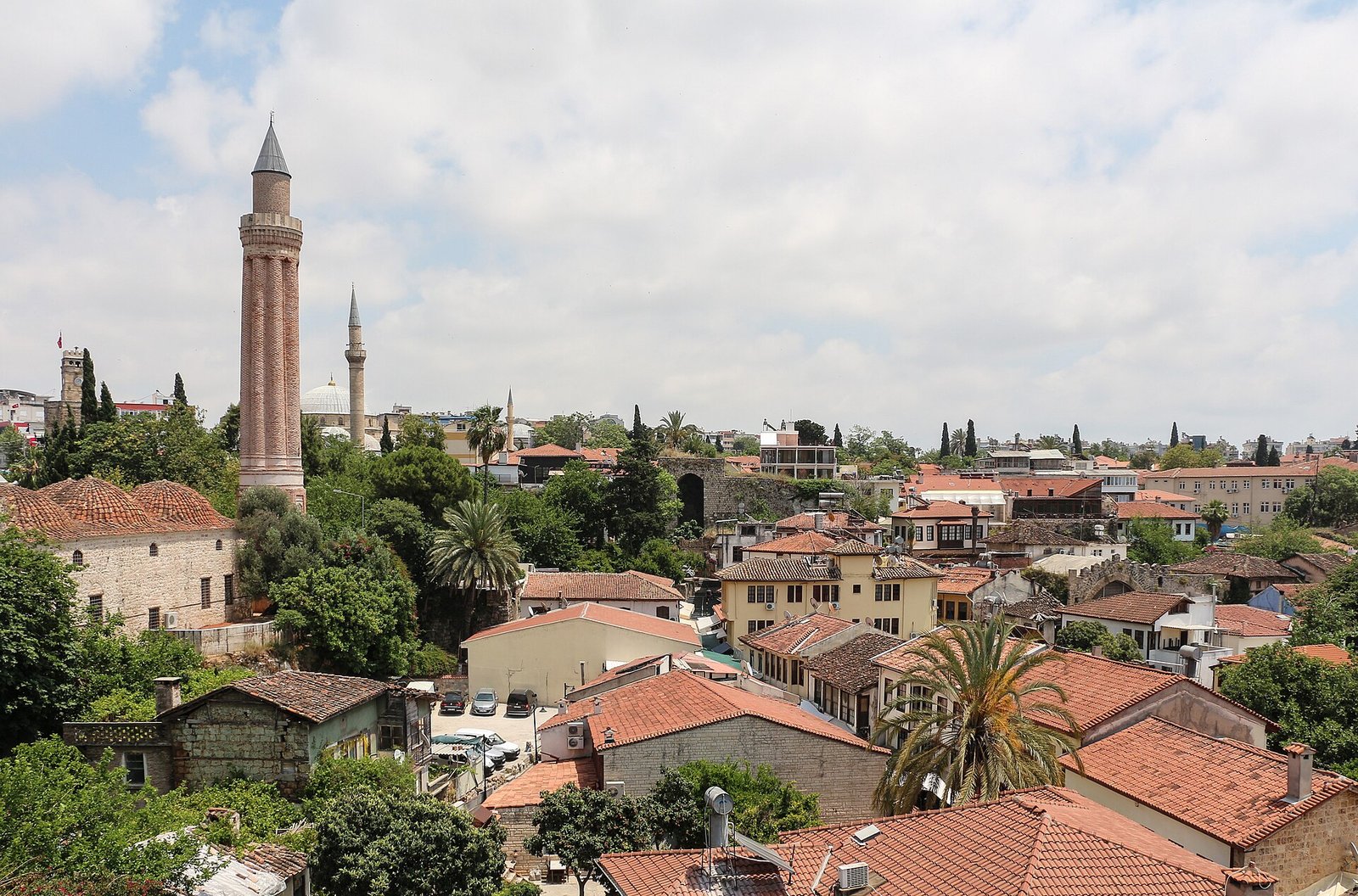
1. The Antalya Museum is closed — the building has been demolished
Antalya Museum shut on 16 July 2025 because the building failed earthquake safety assessment. It has since been demolished. Roughly 100,000 artefacts are in storage and the rebuild is targeted for late 2026.
Practically every English-language guide to Antalya still lists it as the city’s must-see, and several itineraries allocate it half a day. If a plan you are reading includes it, that plan was not checked this year.
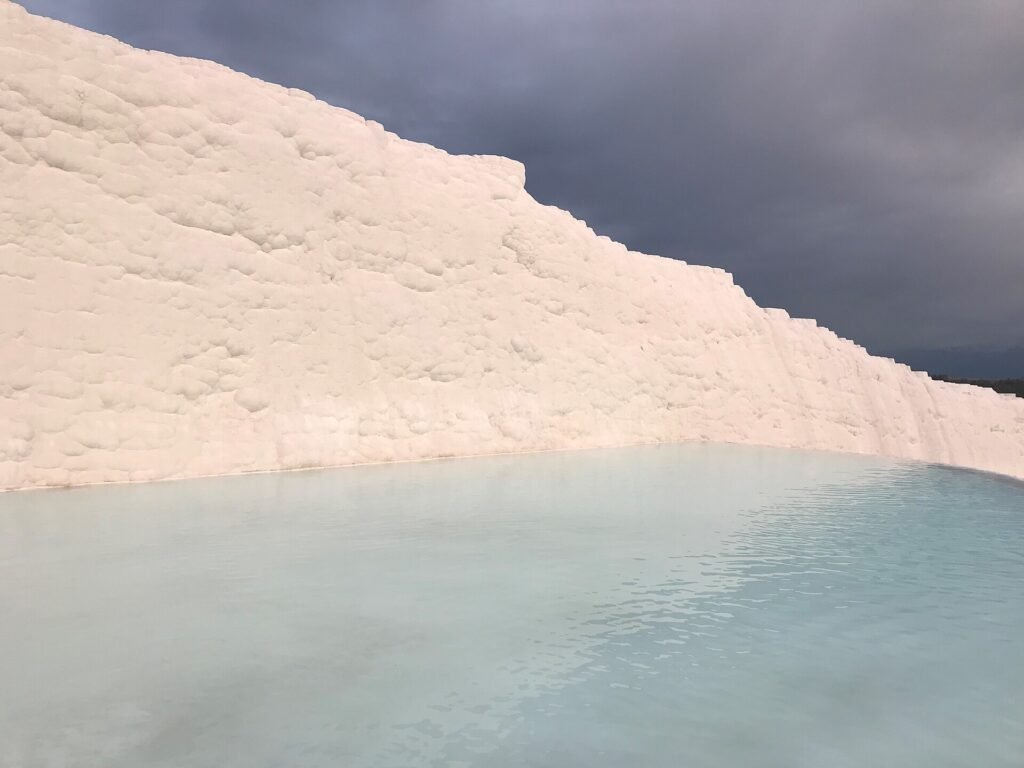
2. Cleopatra’s Antique Pool at Pamukkale was shut for sixteen months
Closed January 2025, reopened 1 May 2026 under a Ministry-owned operator, now ₺600 for foreign visitors.
The implication is uncomfortable and worth stating: any travel article published during 2025 that describes swimming there is not describing a real visit.
Money
3. Accommodation tax halved — but only until the end of the year
Cut from 2% to 1% by presidential decree effective 1 May 2026, running to 31 December 2026. It reverts to 2% on 1 January 2027.
Every English guide we have seen still says 2%.
4. Compulsory service charges banned
Since 30 January 2026, restaurants, cafés, patisseries and similar businesses may not add a service charge, cover charge or table charge under any name. Voluntary tipping is untouched.
This is broader than most reporting suggests — it is not only restaurants and not only “service”.
5. Museum prices are in euro, and they do not move with the lira
Ministry pricing for foreign visitors switched to euro denomination in March 2024, and Pamukkale followed in April 2025, replacing a ₺700 price with €30.
The consequence for budgeting: a weaker lira makes food, transport and hotels cheaper for you, and does nothing at all to your entry tickets.
6. Train fares rose 6.45% on 17 August 2026
TCDD raised high-speed, main-line and regional fares. Denizli–İzmir on the Göller Ekspresi is now ₺400; the regional service ₺370.
Getting around
7. Istanbul public transport rose twice, and is now ₺46.20
A full-fare metro, tram, bus or Marmaray journey with an İstanbulkart went to ₺42.00 on 16 February 2026 (+20%), then to ₺46.20 on 20 July 2026 (+10%). The first transfer within 120 minutes is ₺34.40. Taxi tariffs rose on the same July date: flagfall ₺71.94, ₺47.92 per kilometre, minimum fare ₺230.
Two rises in five months is why we date fares rather than just printing them. Note also that İBB’s own published taxi tariff page is badly out of date and still shows a ₺5.00 flagfall — do not use it to argue with a driver.
8. Transfers on Antalya public transport are free
Since March 2026. It makes the tram-and-bus combination between Kaleiçi, Konyaaltı and Lara considerably cheaper than the published fares imply, and weakens the usual argument for paying a premium to stay in the old town.
9. Antalya’s airport tram serves Terminal 1 only
Not new, but almost never written down. International flights land at Terminal 2, which has no tram stop. Visitors plan around the tram, land at T2, and end up in the taxi queue anyway.
10. There is still no direct İstanbul–Denizli train
The Pamukkale Ekspresi runs Eskişehir–Denizli, once daily, about eight hours. From İstanbul you take the high-speed train to Eskişehir and change — realistically 11 to 12 hours. Guides describing an “İstanbul–Denizli train” are wrong.
Rules and access
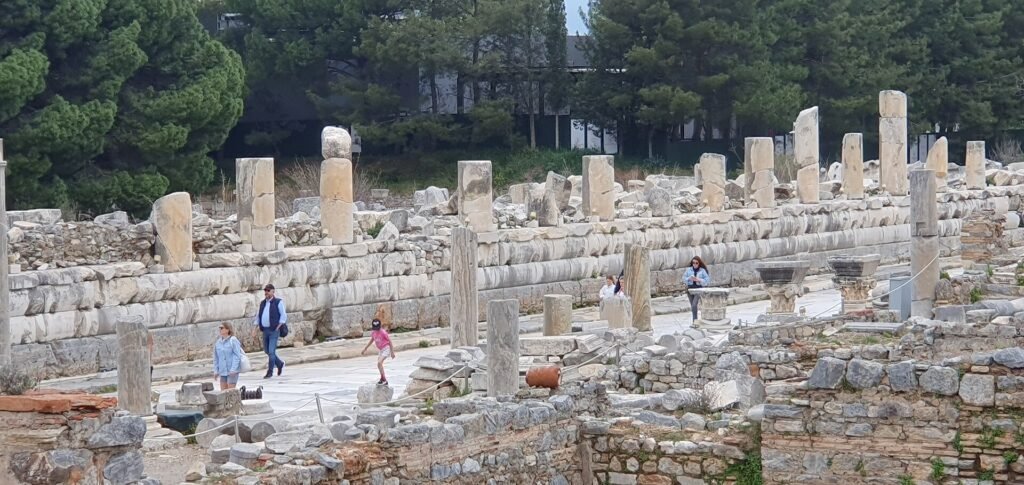
11. Ephesus bundled ticketing is under a court stay
In April 2026 the Danıştay granted a stay of execution against the rule requiring foreign visitors to buy Ephesus and the privately-operated Ephesus Experience Museum as one €40 product. Brought by the travel agents’ association against the Ministry’s operating arm; the court cited conflict with property rights and a de facto visitor guarantee to a private operator.
As of August 2026 the Ministry’s ticketing page still sells the two as one product.
12. Night openings exist at both Ephesus and Pamukkale
Ephesus: 19:00–23:00, Wednesday to Saturday. Pamukkale: 19:00–23:00, every day, since April 2024.
Floodlit, far cooler, and nearly empty. In July and August this is the only sensible way to see either site. No museum pass covers night sessions — they are ticketed separately.
13. Cappadocia ATV and jeep tours are on fixed routes with GPS tracking
Since August 2025, operators must run designated routes with mandatory GPS. First penalty is ₺92,000; repeat offences cost the licence. The 2026–2029 quota applications opened on 18 August 2026.
14. Antalya has three new provincial circulars
Smoke-free beaches (24 July 2026), a marine tourism and anchoring restriction (13 June 2026), and coastal management rules (10 August 2026).
15. Pamukkale’s terraces are not what the photographs suggest
UNESCO’s record for the property states that visitor access to the travertine terraces is prohibited in order to sustain water flow, with access confined to designated paths — while also noting that designated bathing areas in the hot springs have been established.
In practice you walk one barefoot causeway with the famous basins roped off either side. Source flow has fallen from 450 litres per second in 1993 to about 150 today, and the IUCN’s October 2025 assessment records that the site has no water management plan.
Visitor numbers, which are moving the opposite way to the narrative
16. Foreign visitors to Pamukkale fell 12.5% in early 2026
January to May: 625,199 against 714,677 in 2025. Organised-tour arrivals fell 27.7%.
Meanwhile the all-time single-day record — 21,192 visitors on 29 May 2026 — was set during Kurban Bayramı.
The practical rule that falls out of this: plan around the Turkish holiday calendar, not the European one. Foreign shoulder-season crowds are easier than they used to be; domestic holiday peaks are worse.
17. Cappadocia balloons flew on under half of mornings in the first half of 2026
90 days out of 181. In May, the month everyone targets, 17 mornings out of 31.
Unchanged, and worth confirming
Visas. US, UK, Canadian, Australian and EU ordinary passport holders need no visa and no e-visa, for 90 days in any 180. There is an industry of third-party sites happy to sell you a document you do not need. The only official portal is evisa.gov.tr, and if you hold one of those passports you have no reason to visit it.
Corrections
We got two things wrong on this site before publishing this page, and fixed them: we described İzmir’s transport as distance-based when the core network is flat-fare, and we misread the UNESCO text on bathing at Pamukkale. Both are corrected above.
If something here is wrong, tell us. We date every entry so you can see how stale it is, and we would rather be corrected than trusted by default.
If you are citing this
The underlying facts belong to their sources — the Ministry of Culture and Tourism, the Official Gazette, UNESCO, IUCN, TCDD, provincial governorships and Turkish press. The assembly and the dating are ours, and free to reproduce with a link back.