
Quick answer: A peak-season 7-day lift pass runs ¥91,500 at Niseko and ¥74,500 at Hakuba Valley — only a 7% gap once you add comparable rental gear. The real difference between the two resorts is lodging: Kutchan (the town that includes Niseko’s main village, Hirafu) averaged ¥123,200 a room in January-February 2026, up 20.6% in a single year, and now taxes accommodation at a percentage rate rather than a flat fee. Nobody ranking these resorts by lift price alone is measuring the thing that actually decides your budget.
Contents
- Lift passes, official 2026-27 prices
- The structural difference nobody flags: consecutive days vs a flexible window
- Hakuba’s two-tier season pass
- Rentals
- Lessons: a 2.3x gap between otherwise-similar resorts
- Lodging tax: the same ski area, two different regimes
- What accommodation actually costs
- The honest total-cost comparison
- The lever almost nobody covers: Ikon and Epic
- FAQ
Lift passes, official 2026-27 prices
Both resorts publish their own current-season tables. Niseko’s peak season runs 24 December 2026 – 28 February 2027; the wider season is 28 November 2026 – 5 May 2027.
| Duration | Niseko United, peak | Hakuba Valley, adult |
|---|---|---|
| 1-Day | ¥13,500 | ¥11,100 |
| 3-Day | ¥39,500 | ¥32,200 |
| 7-Day | ¥91,500 | ¥74,500 |
| Season pass, adult | ¥184,400 (+¥1,000 card deposit) | ¥121,700-188,900 (see below) |
Nozawa Onsen’s 2026-27 season-pass pricing, per trade media and the resort’s own prior-year baseline: early bird ¥93,000 (window 1-30 September 2026), regular ¥103,000 — up roughly 5-6% year on year. A 1-day ticket runs about ¥7,800 on operator-published pricing; Nozawa’s own English site had not posted its 2026-27 daily table at the time of research, so treat the daily figure as indicative rather than official.
The structural difference nobody flags: consecutive days vs a flexible window
This is the single most useful thing in this article and it costs nothing to know. Niseko’s multi-day passes are valid for consecutive calendar days only. Buy a 7-day pass and lose two days to a storm or a rest day, and you’ve paid for days you didn’t ski.
Hakuba Valley’s passes use a flexible window instead — a 2-day ticket is valid across any 4 days, a 3-day across any 6, and so on, all the way up to a 10-day ticket valid across 20 days. For a week-long trip with any chance of a weather day or a planned rest, that structural difference is worth real money, and it is the single biggest non-price distinction between the two resorts.
Hakuba’s two-tier season pass
Hakuba Valley’s season pass is the most newsworthy pricing story in Japanese skiing right now: international visitors pay materially more than Japanese residents for the identical pass.
| Tier | Adult price | Window |
|---|---|---|
| Domestic-resident early bird | ¥121,700 | 14 July – 27 Aug 2026 |
| International early bird | ¥158,900 | Closes 29 October 2026 |
| Regular (international) | ¥188,900 | 30 Oct 2026 – 2 Feb 2027 |
The gap between the international early bird and the regular price is ¥30,000 — a real, actionable saving if you buy before 29 October 2026. Pages that simply quote “¥121,700” without noting that figure applies only to Japanese residents are quoting a price most English-reading visitors cannot actually buy.
Rentals
Rhythm Japan runs the same price list at all three of its locations — Niseko, Hakuba and Furano — which is a useful normaliser: rental cost is not what separates these resorts.
| Package, adult, 1 day | Price |
|---|---|
| Rhythm Japan, standard with boots (Niseko/Hakuba/Furano, same price) | ¥9,500 |
| Rhythm Japan, premium with boots | ¥11,800 |
| Niseko Sports (official resort operator), economy with boots | ¥8,500 |
The resort’s own rental shop (Niseko Sports) undercuts the well-known third-party chain at every tier.
Lessons: a 2.3x gap between otherwise-similar resorts
A full day of group tuition at Hanazono (part of Niseko United) in peak season costs ¥37,000 per person — capped at 4 people per group, running 5.5 hours including lunch. A full day of group tuition with Evergreen International Ski School in Hakuba costs ¥16,000, a 4.5-hour day with no published group cap. That’s a 2.3x difference for the same basic product, between two long-established, English-language ski schools — not a cherry-picked comparison.
Lodging tax: the same ski area, two different regimes
“Niseko” isn’t one municipality for tax purposes. Kutchan Town — home of Grand Hirafu, the main Niseko village — moved from a 2% to a 3% lodging tax from 1 April 2026, described as inclusive of the Hokkaido prefectural component. Niseko Town — home of Annupuri and Niseko Village — charges a flat ¥200 per person per night instead.
At Kutchan’s verified January-February 2026 average of ¥123,200 per room, a 3% tax works out to roughly ¥3,700 per room per night — against a flat ¥200 per person in neighbouring Niseko Town. Staying in Hirafu versus Annupuri is a materially different tax bill on the same holiday, and almost nothing written in English about Niseko draws this distinction.
What accommodation actually costs
Published, not estimated: Kutchan Town’s average daily hotel rate for January-February 2026 was ¥123,200 per 2-person room, up 20.6% from ¥102,200 the year before, per MetroEngine Research data via HotelBank’s industry analysis. Niseko Town’s equivalent figure for the same window was ¥98,600. Kutchan’s winter-to-summer ratio is 2.11x — a ¥123,200 winter room compares to roughly ¥58,400 in summer.
No equivalent published rate data exists for Hakuba or Nozawa at the time of writing — a genuine gap in otherwise well-covered ski markets, and the reason the total-cost comparison below is deliberately incomplete for those two resorts rather than guessed at.
The honest total-cost comparison
Assumptions: one adult, peak season, skiing every day, mid-range rental with boots, a 7-day lift pass divided across 7 days.
| Per adult, per ski day | Niseko | Hakuba |
|---|---|---|
| Lift (7-day ÷ 7) | ¥13,071 | ¥10,643 |
| Rental, with boots | ¥8,500 | ¥9,500 |
| Verified subtotal | ¥21,571 | ¥20,143 |
On lift plus rental alone — the two costs fully verified at both resorts — Niseko and Hakuba are within roughly 7% of each other. The popular belief that Niseko’s lift pass is what makes it the pricier resort doesn’t hold up: the pass itself is only about ¥2,400 a day more. The gap that actually separates them is lodging, where Kutchan’s ¥123,200 average room rate has no equivalent anywhere in the Hakuba or Nozawa data available. Add tuition (¥37,000 vs ¥16,000 a day) and the percentage lodging tax on top of the higher ADR, and the total cost of a Niseko trip pulls well ahead of Hakuba — but not because of the lift ticket.
The lever almost nobody covers: Ikon and Epic
Niseko United is on the Ikon Pass (7 days included on the full pass, 5 on Ikon Base), alongside Furano, Shiga Kogen and Myoko Suginohara among other Japanese resorts. The 2026-27 Ikon Pass costs US$1,449 for an adult (Ikon Base US$1,019). For anyone who skis more than a handful of days at a North American or European resort in the same season, seven Niseko days ride along on a pass they may already be buying anyway — effectively making the Japan lift ticket free on the margin.
Hakuba Valley season pass holders separately get half-price single-day tickets at any Vail Resorts mountain worldwide, through Hakuba’s Epic Pass partnership. This is arguably the most useful piece of information in this entire comparison for a US or UK reader who skis regularly at home, and it’s missing from nearly every ranking page checked.
FAQ
Is Niseko or Hakuba cheaper?
On lift and rental alone, they’re within about 7% of each other. Niseko becomes meaningfully more expensive once you add lodging (Kutchan’s average room rate is ¥123,200 vs no comparable published figure for Hakuba) and lessons (2.3x Hakuba’s price).
Does my Niseko lift pass let me ski Hakuba too?
No — they’re entirely separate lift systems. What connects them is third-party season passes: Niseko United is on Ikon, and Hakuba Valley season pass holders get Vail Resorts discounts through the Epic partnership.
What’s the multi-day pass trap at Niseko?
Multi-day tickets must be used on consecutive calendar days. A missed day to weather or rest is a paid-for day you don’t get back — unlike Hakuba’s flexible-window tickets.
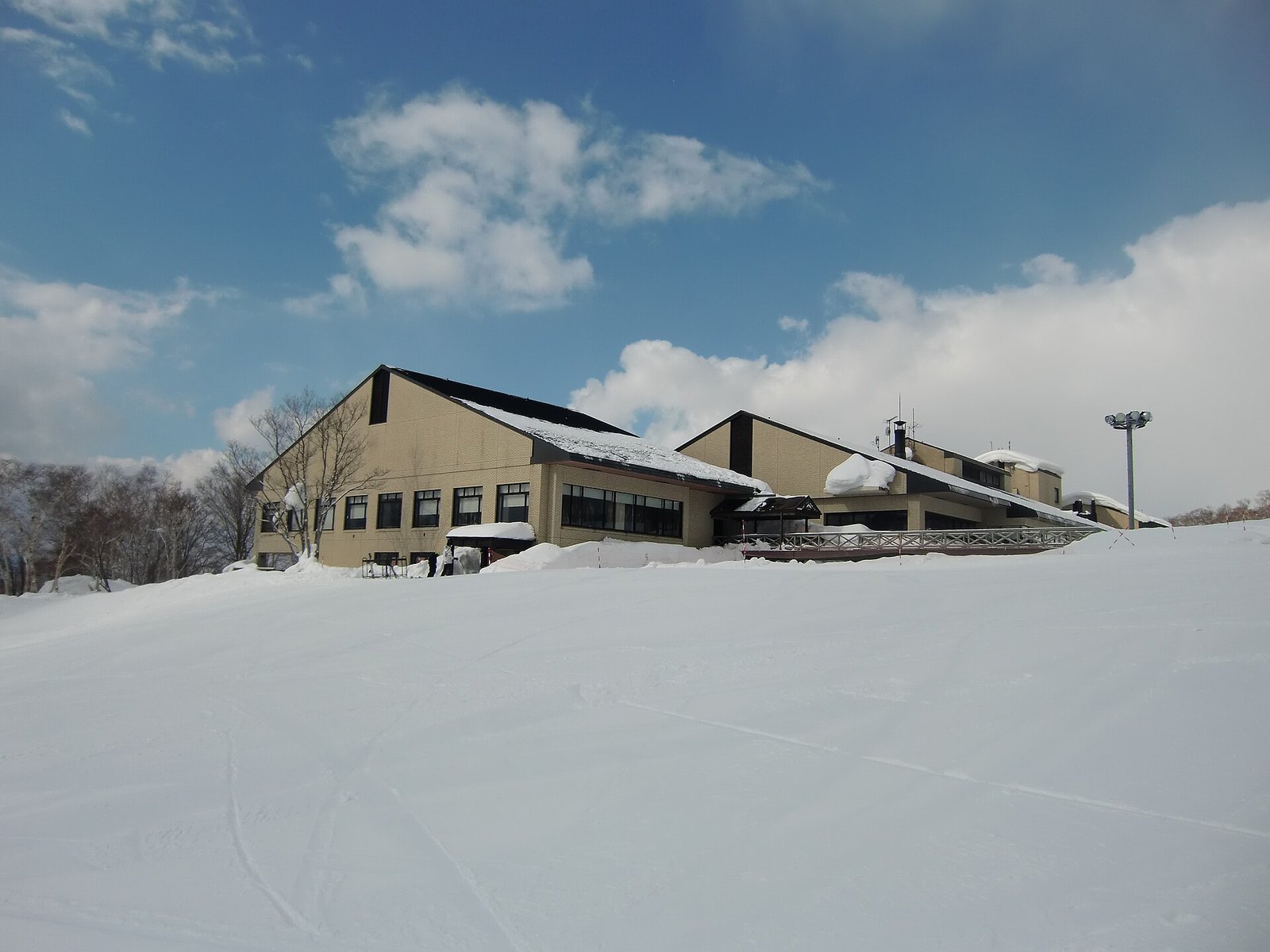
Photo: “Niseko Northern Resort Annupuri” by Excellent moniteur de ski, via Wikimedia Commons, licensed CC BY-SA 4.0.