
In short
What is not in dispute: Göbekli Tepe is dated to roughly 9600–8200 BC and has been a UNESCO World Heritage Site since 2018, under criteria (i), (ii) and (iv). What the excavators explicitly reject is most of what circulates about it online — the “oldest temple”, “built by a lost civilisation” and “deliberately buried” claims each get a direct answer here, quoted from the dig team rather than paraphrased.
Checked against the excavation team’s own publications, 21 August 2026.
Göbekli Tepe is the most over-explained archaeological site on earth. It has been called the world’s first temple, the Garden of Eden, an astronomical observatory, a memorial to a comet strike, and evidence of a lost civilisation.
The team that actually digs there rejects all of that — including the temple.
What is in this guide
- The facts that are not in dispute
- “The world’s first temple” — the dig team’s own objection
- What the excavators explicitly reject
- The buried-structures number that keeps getting mangled
- Why 10% excavated matters
- Karahantepe, and why you probably cannot see it
- Visiting: the practical minimum
- Frequently asked questions
This is what the excavators say, drawn from the German Archaeological Institute, which has run the excavation, and from UNESCO’s inscription. Checked 21 August 2026.
The facts that are not in dispute
- Dated to roughly 9600–8200 BC. That is about seven thousand years before Stonehenge and six thousand before the first Egyptian pyramid.
- Built by hunter-gatherers, before pottery, before metal, before writing, and before — this is the important part — settled farming.
- UNESCO World Heritage since 2018, under criteria (i), (ii) and (iv).
- The mound is about 8 hectares and 15 metres high, and as of 2021 roughly 10% of it had been excavated.
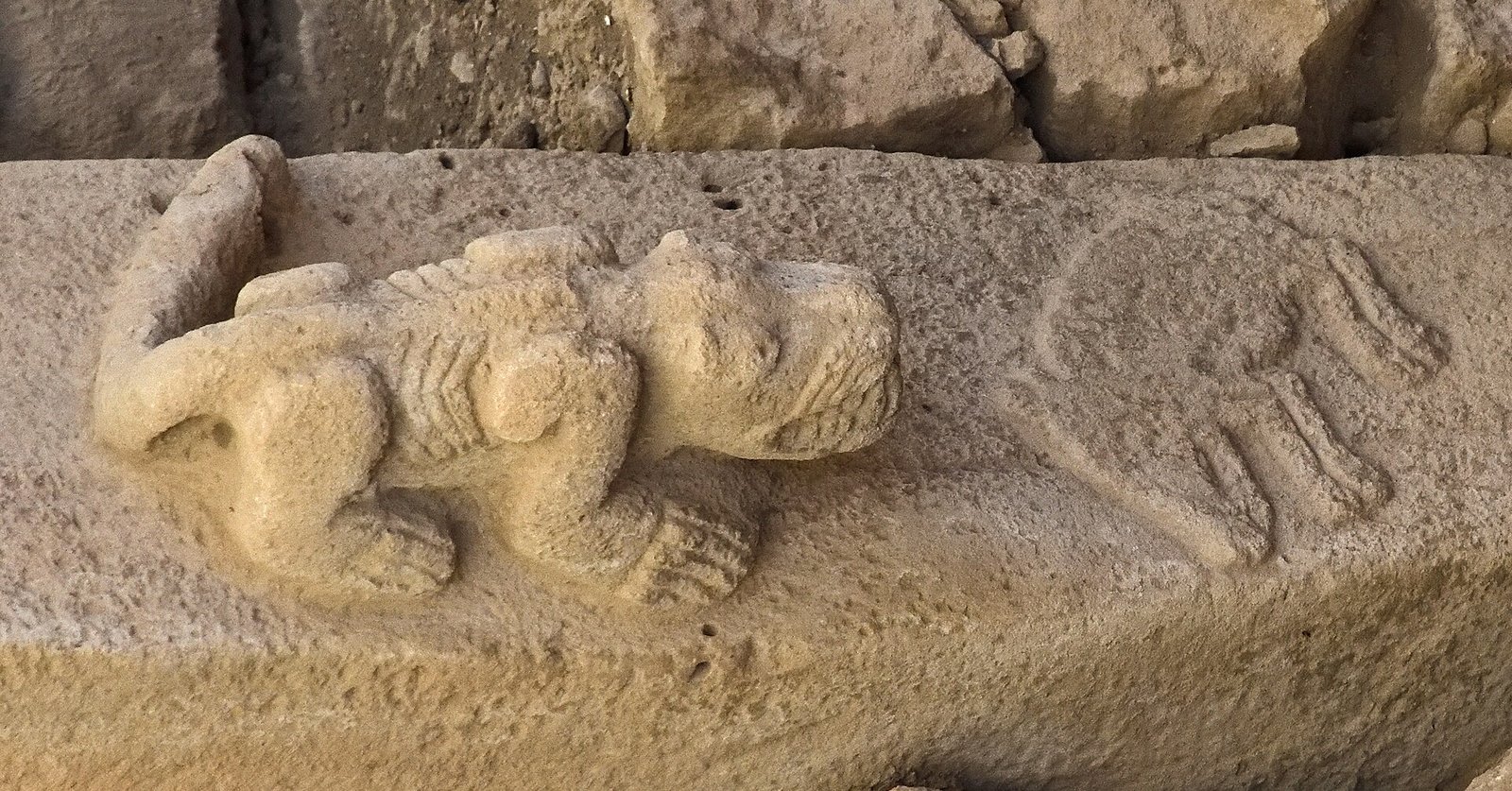
- The site’s signature is T-shaped limestone pillars, some over five metres tall, arranged in enclosures and carved with animals — foxes, boars, snakes, cranes, scorpions.
That is the material everyone agrees on, and it is remarkable enough without decoration. Monumental architecture predates agriculture. For most of the twentieth century archaeology assumed the opposite: that farming produced surplus, surplus produced settlement, settlement produced monuments. Göbekli Tepe puts the monuments first.
“The world’s first temple” — the dig team’s own objection
This is the phrase on the road signs, and the excavation’s own project coordinator has called it a problem.
Lee Clare, who coordinates the Göbekli Tepe project for the German Archaeological Institute, describes the temple interpretation as “highly problematic.” The objection is not squeamishness about the word. It is that calling the enclosures temples smuggles in a set of assumptions about the tenth and ninth millennia BC — that there were gods to house, and a priestly class to serve them — for which there is no evidence.
The team has also had to revise the picture of the site as a purely ritual place with no domestic life. More recent work reports house structures, widespread cereal processing, water-supply features including cisterns cut into the rock of at least 150 cubic metres, and everyday tools. People appear to have lived there, not merely gathered there.
The honest formulation: hunter-gatherers built monumental stone architecture around 9600–8200 BC, and they also lived on the site. What the enclosures meant to them is not established.
What the excavators explicitly reject
The German Archaeological Institute has publicly rejected each of these:
- The Garden of Eden.
- Ancient astronauts and any extraterrestrial involvement.
- The Younger Dryas comet impact theory — the claim that carvings on one pillar record a cometary catastrophe.
- An astronomical observatory — the reading of the enclosures as aligned to stars.
These are not fringe claims that the team has ignored; they are claims the excavation has specifically addressed and dismissed. If a documentary or article presents any of them as an open question endorsed by researchers, it is misrepresenting the dig.
The buried-structures number that keeps getting mangled
You will read that geophysical survey has revealed “twenty more buried enclosures waiting to be excavated.”
That is a misreading. Oliver Dietrich of the German Archaeological Institute has stated plainly that the figure of around twenty is the total, including the enclosures already excavated — not twenty additional ones. He has also noted that only the very large structures show up clearly in the survey data.
So: roughly twenty known enclosures in total, of which several are dug. Not twenty in reserve.
Why 10% excavated matters
The “only 5% excavated” or “only 10% excavated” line usually appears as a teaser — imagine what is still down there.
The more interesting reading is methodological. The excavation is deliberately slow, and a great deal of the site is being left in the ground for future archaeologists with better techniques. That is now standard practice at major sites, and it is the opposite of the nineteenth-century approach that damaged Troy. It means the picture will keep changing, and it is a reason to treat any confident narrative — including a sceptical one — as provisional.
Karahantepe, and why you probably cannot see it
Göbekli Tepe is not alone. It belongs to a group of related sites across the Şanlıurfa region, and Karahantepe is the one generating the most excitement — with pillars, carved human heads and a striking chamber cut into bedrock.
The ministry currently lists Karahantepe as closed. Major visitor infrastructure — a protective roof, a 2,000 m² excavation and research building, a finds store and a reception centre — was still under construction through 2026, and the site was closed for weather and safety reasons in February 2026. The excavation director has been quoted saying visitors were not turned away but that a proper, safer visitor route was still being built.
Do not plan an itinerary around Karahantepe. Check the ministry’s portal on the day. Admission is free when it is open.
Visiting: the practical minimum
- Open daily, 08:30 to 19:00, ticket office closing 18:30. The 17:00 closing time that circulates in English guides is wrong on the current schedule.
- €20, priced in euro and charged in lira at the previous day’s Central Bank effective selling rate.
- The Göbeklitepe Canlandırma Merkezi — the animation and interpretation centre — is a separate €3 ticket, with a combined ticket sold at the gate. Its hours are not published.
- The excavation is under a large protective roof on an exposed hilltop, on raised walkways. There is essentially no shade off the walkway.
Do the Şanlıurfa Archaeology Museum on the same trip. The finds are there, including the Urfa Man statue, and the site is much harder to read without them. Both Şanlıurfa museums are open daily 08:30 to 18:45, with an evening slot from 19:00 to 21:00. Our Şanlıurfa and Göbekli Tepe guide has the full practical picture, including the twice-daily bus.
Frequently asked questions
Is Göbekli Tepe really the world’s first temple?
The excavation team does not think the word is appropriate. Project coordinator Lee Clare calls the temple interpretation “highly problematic,” because it assumes gods and priests in a period where there is no evidence for either. More recent work reports houses, cereal processing and cisterns at the site, complicating the idea that it was purely ceremonial.
How old is Göbekli Tepe?
Roughly 9600 to 8200 BC — about seven thousand years before Stonehenge, and built by hunter-gatherers before pottery, metal, writing or settled farming.
Is Göbekli Tepe connected to the Garden of Eden?
No. The German Archaeological Institute explicitly rejects that claim, along with ancient astronauts, the Younger Dryas comet theory and the astronomical-observatory reading.
Are there twenty more buried enclosures?
No — that is a misreading. The German Archaeological Institute’s Oliver Dietrich has said the figure of about twenty is the total including those already excavated, and that only the largest structures are clearly visible in the survey data.
How much of Göbekli Tepe has been excavated?
About 10% as of 2021. The slow pace is deliberate: much of the site is being left for future archaeologists with better methods.
Can you visit Karahantepe?
Treat it as closed. The ministry lists it that way and visitor facilities were still under construction through 2026. It is free when open, but do not build a trip around it.
Photo: Animal hunting scene. Gobekli Tepe by Dosseman, via Wikimedia Commons, CC BY-SA 4.0.