
Quick answer: Niš is Serbia’s third-largest city and one of its oldest, built around a well-preserved Ottoman-era fortress and home to the Skull Tower — a genuinely sobering 19th-century monument, not a tourist gimmick despite the name. It’s an easy day trip or overnight stop between Belgrade and destinations further south, and sees far fewer visitors than Belgrade or Novi Sad despite having just as much history on display.
Niš Fortress
Niš Fortress sits right at the edge of the city center, an Ottoman-built stronghold from the early 18th century constructed over earlier Roman and Byzantine foundations. Unlike many old fortresses that charge separately for every corner, the grounds here function as a genuine public park — locals jog and walk dogs inside the walls — with the Stambol Gate as the most photographed entry point. It’s free to wander, and the mix of surviving Ottoman architecture with cafés and green space inside makes it an easy hour or two rather than a formal sightseeing stop.
The Skull Tower
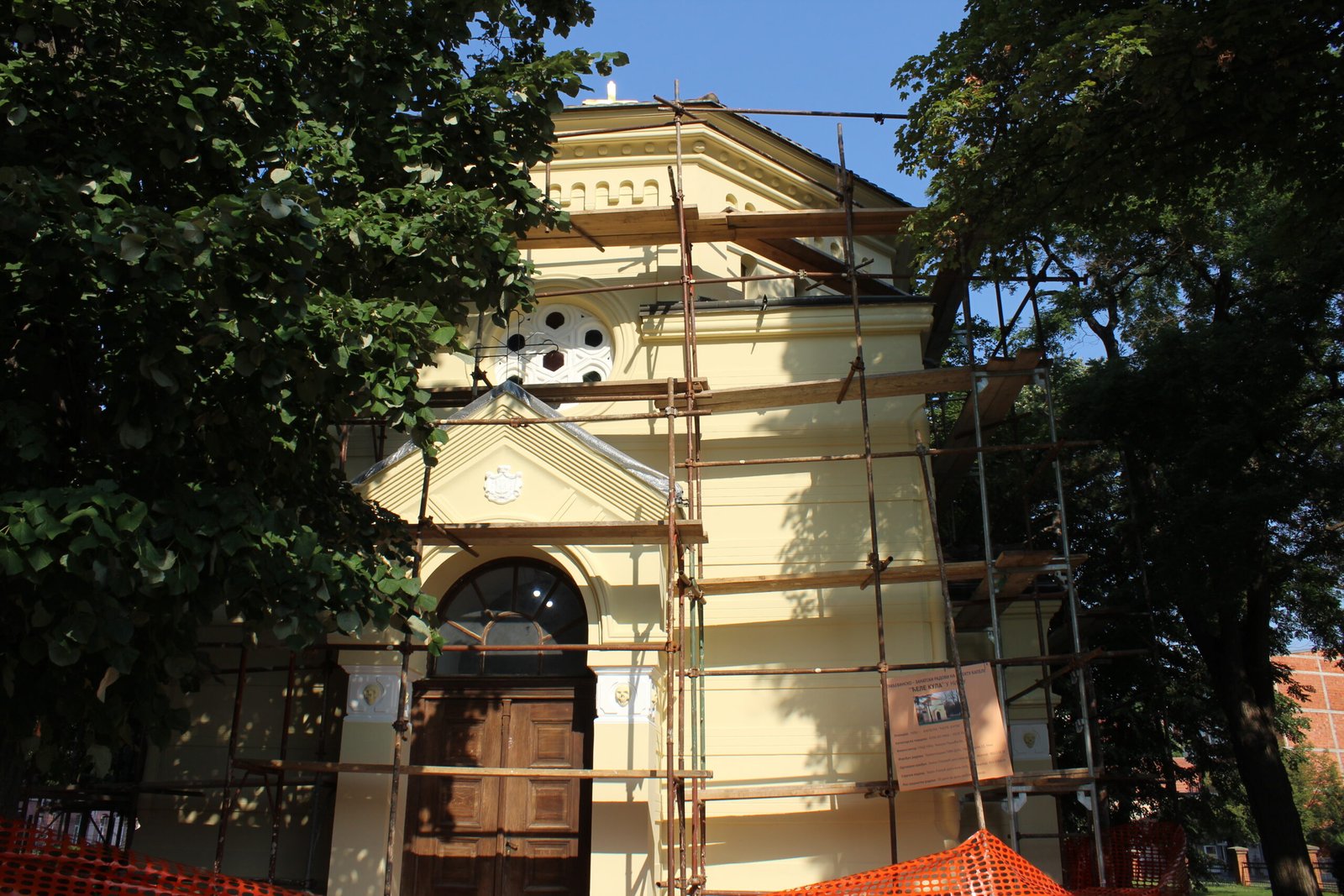
The Skull Tower (Ćele Kula) is Niš’s most distinctive and most somber sight: a stone tower originally embedded with the skulls of Serbian rebels, built by Ottoman authorities in 1809 after the Battle of Čegar as a warning. Most of the skulls were removed over the following century — by families reclaiming remains, by weathering, and eventually by Serbian authorities who built a protective chapel around what remained — but the tower still holds a number of skulls visible today, and the history is presented directly rather than softened. It’s a short taxi or bus ride from the center, and worth the visit for understanding a piece of Balkan history that doesn’t get much coverage outside the region.
Niš’s Roman Heritage
Niš (Roman Naissus) was the birthplace of Constantine the Great, and the city leans into this: Mediana, an archaeological site on the city’s outskirts, preserves the remains of a Roman imperial residential complex including mosaic floors that are still being excavated and conserved. It’s a lower-key stop than the fortress or Skull Tower — more for travelers specifically interested in Roman history than a essential first-visit stop — but it’s a reminder that Niš’s layered history goes well beyond its Ottoman-era landmarks.
Getting There
Niš sits on the main road and rail corridor south from Belgrade toward North Macedonia and Bulgaria, making it a natural stopover rather than a detour if you’re heading that direction. Buses from Belgrade run frequently throughout the day; Niš also has its own international airport with a smaller set of European connections, mostly useful if you’re starting a trip here rather than passing through.
FAQ
Is the Skull Tower appropriate to visit with children?
It’s a genuine historical monument depicting a real atrocity, presented without much softening — use your own judgment based on your children’s age and sensitivity rather than assuming it’s a standard tourist stop.
How long should I spend in Niš?
A half-day covers the fortress and Skull Tower comfortably; a full day lets you add Mediana and a relaxed lunch in the fortress grounds.
Is Niš worth visiting if I’ve already seen Belgrade?
Yes — it has a genuinely different character and far fewer visitors, and the Skull Tower in particular isn’t something you’ll see duplicated elsewhere in Serbia.
Photo: Nikolina Šepić, CC BY-SA 4.0, via Wikimedia Commons — the Skull Tower (Ćele Kula) memorial in Niš.