
Quick answer: Belgrade’s essential sights cluster around Kalemegdan Fortress and the Sava-Danube confluence, with the Nikola Tesla Museum as the city’s best small museum (a guided tour is the only way in, cash-only in dinars). Give the city two to three days: one for the fortress and old town, one for Tesla and the river clubs (splavovi), and a half-day buffer for Skadarlija’s cobblestone bohemian quarter. Belgrade doesn’t have an admission-fee problem the way some capitals do — the fortress grounds are free, and most of what makes the city worth visiting costs nothing to walk through.
Contents
Kalemegdan Fortress and the Old Town
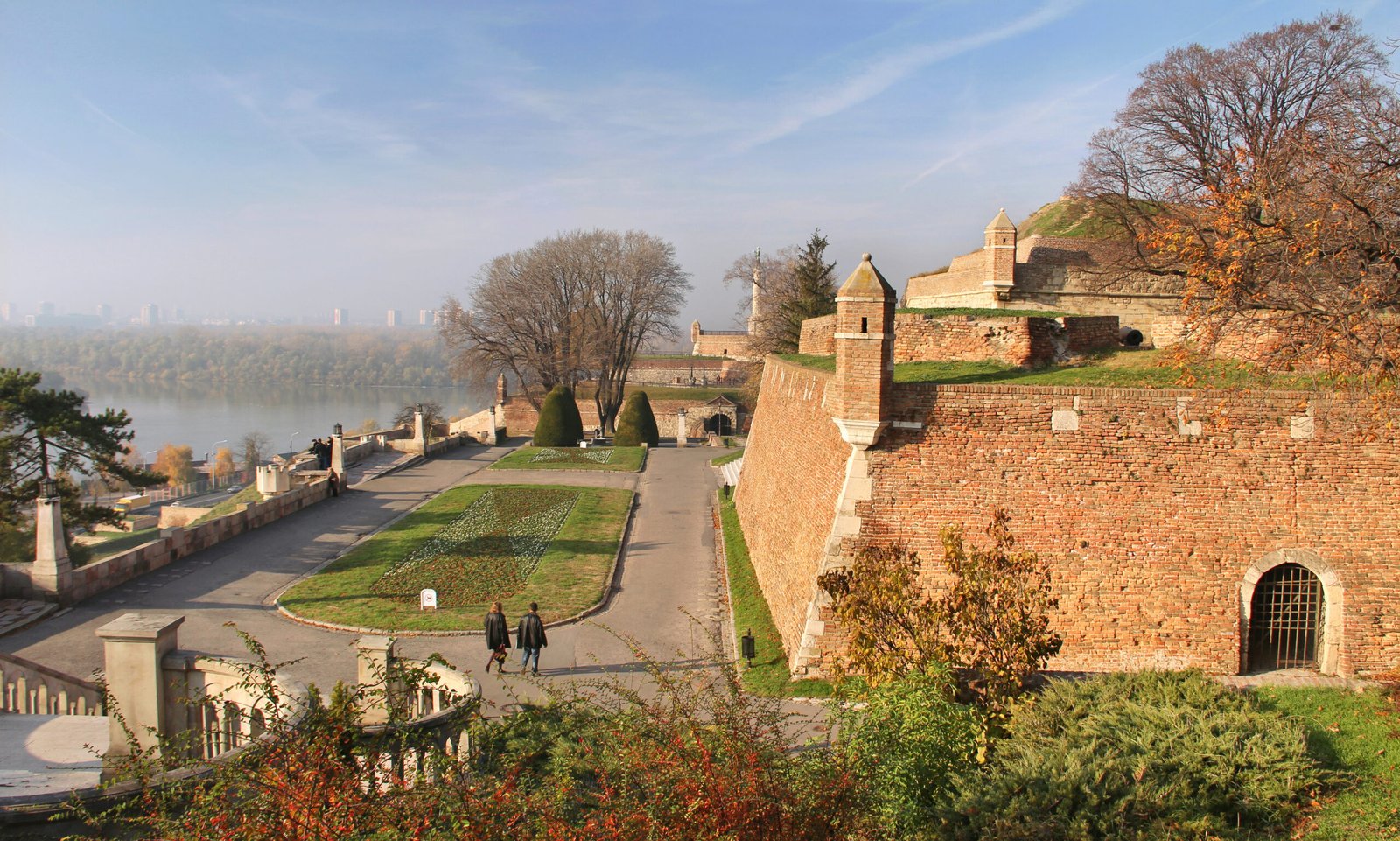
Kalemegdan is both a fortress and a park, sitting on the bluff where the Sava River meets the Danube — the reason this spot has been fought over since Roman times. Entry to the grounds is free, and you can easily spend two or three hours wandering the ramparts, the Belgrade Zoo’s edge, the Military Museum’s outdoor cannon displays, and the viewpoint at the Pobednik (Victor) monument looking out over the river confluence. It’s at its best in the hour before sunset, when the light over the rivers is worth the walk on its own.
Nikola Tesla Museum
The Nikola Tesla Museum is small but consistently rated as one of Belgrade’s best — it holds Tesla’s ashes along with his personal effects and working demonstrations of his inventions. A few things to know before you go: it’s guided-tour only, so you’re on the museum’s schedule rather than browsing freely; tours run in both English (800 RSD, about €6.80) and Serbian (400 RSD); and payment is cash-only in dinars — no cards, no foreign currency. Children under seven get in free. One source’s own FAQ section gives a different figure, “around 500 dinars,” which doesn’t match its own cost breakdown — a reminder that even single-source pages can contradict themselves, so budget for the higher guided-tour price (800 RSD) rather than assume the lower number.
Skadarlija and Belgrade’s Nightlife
Skadarlija is Belgrade’s old bohemian quarter, a cobblestone street lined with traditional kafanas (taverns) that once hosted the city’s writers and artists and today leans into that reputation for visitors — live accordion music, grilled meat, and long dinners are the draw rather than a bargain. For nightlife with a different character, Belgrade’s floating river clubs (splavovi) moored along the Sava and Danube run from spring through early autumn and are a genuinely local experience rather than a tourist trap, though which clubs are “in” changes from year to year — ask locally rather than trusting an old blog’s list.
Church of Saint Sava
The Church of Saint Sava on Vračar hill is one of the largest Orthodox churches in the world and dominates Belgrade’s skyline from several kilometers away. It’s free to enter, and the interior mosaic work — still being completed in sections — is worth the detour even if church architecture isn’t usually your thing. It’s a short taxi or bus ride from the center rather than a walkable add-on to Kalemegdan.
Getting Around Belgrade
Belgrade’s center is walkable for most of the sights above. For everything else, trams and buses cover the city reasonably well, and ride-hailing apps (CarGo is the local option alongside international apps) are cheap and avoid any taxi-fare haggling. For onward travel, Belgrade’s main bus station handles the international routes — including the one daily bus to Sarajevo, departing at 16:00 and taking around 6¾ to 7 hours with a border stop — covered in more detail in our regional transport guide.
FAQ
How many days do I need in Belgrade?
Two to three days covers the essentials comfortably — Kalemegdan and the old town, the Tesla Museum, and an evening in Skadarlija or on the river clubs.
Can I pay by card at the Nikola Tesla Museum?
No — it’s cash-only in Serbian dinars, so stop at an ATM before you go.
Is Kalemegdan Fortress free to enter?
Yes, the fortress grounds and park are free; only a few specific museums within the complex charge separate admission.
Photo: BrankaVV, CC BY-SA 4.0, via Wikimedia Commons — Kalemegdan Fortress at the confluence of the Sava and Danube rivers.